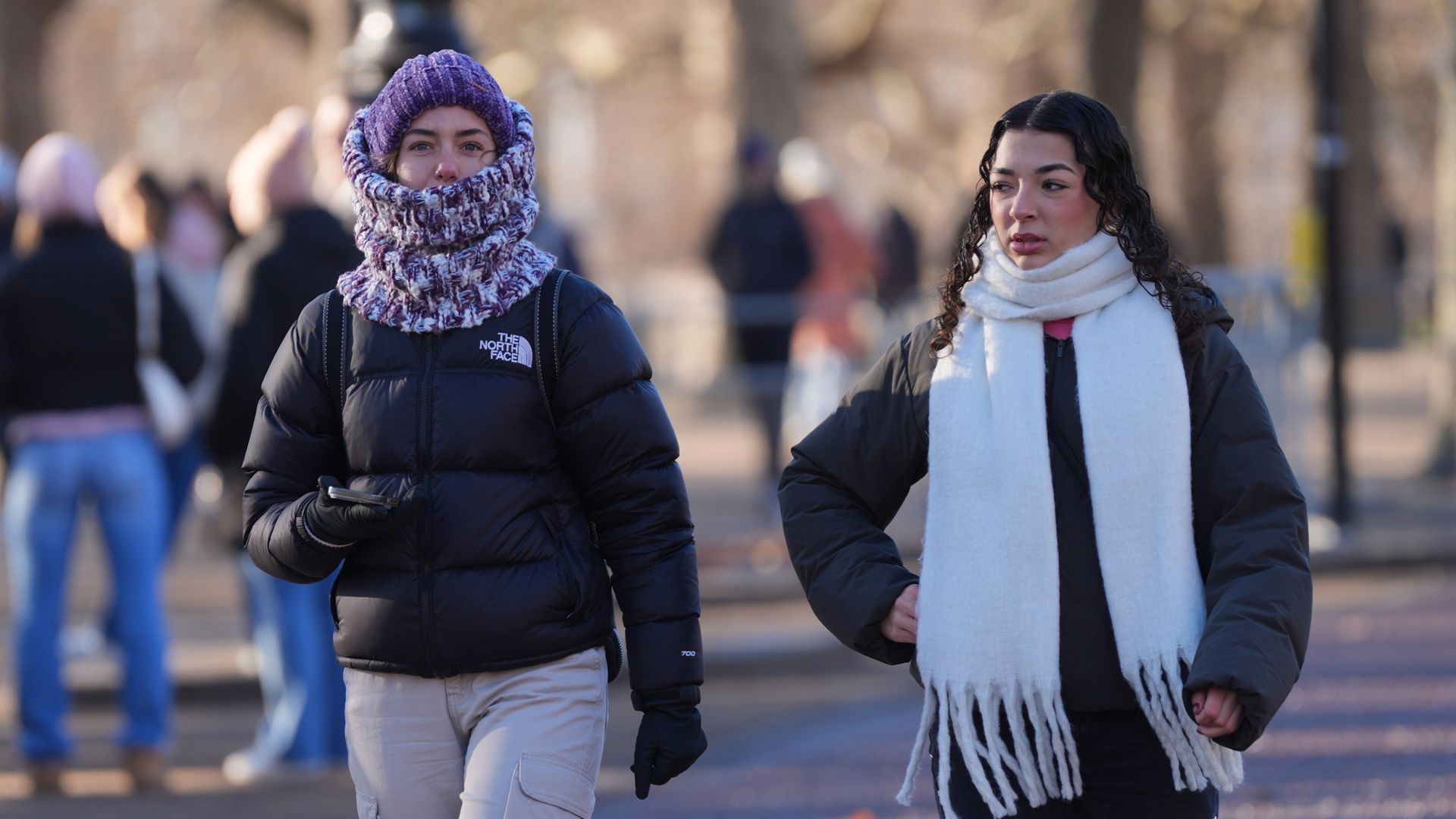
The cold snap gripping large parts of the country is set to deepen, with meteorologists extending the cold weather warning as temperatures are forecast to plunge to a chilling -10°C (14°F) overnight into Saturday. This sudden and severe drop in temperature raises concerns about public safety, infrastructure strain, and potential disruptions across affected regions.
What’s Causing the Extended Cold Weather Warning?
The extended cold weather warning comes amid a persistent high-pressure system that is allowing frigid Arctic air to settle over the area. This pattern is leading to clear skies at night, which contributes to rapid radiative cooling and the sharp temperature dips expected. Forecasters warn that without cloud cover to insulate the ground, temperatures will nosedive, creating hazardous conditions.
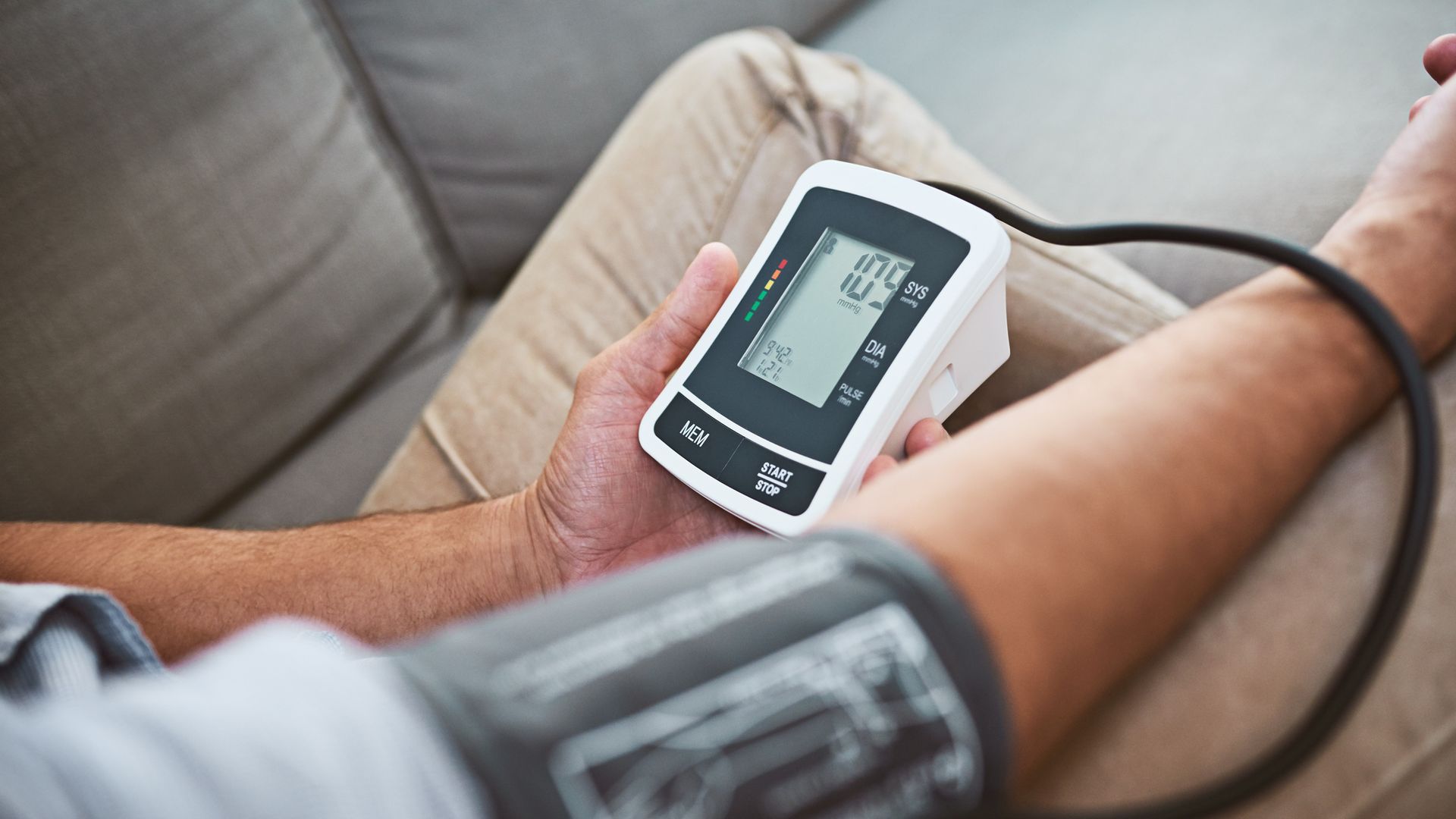
The official warning advises residents to prepare for dangerously low temperatures that could impact vulnerable groups such as the elderly, young children, and those with medical conditions. The Environment Agency has also highlighted the risk of frost and ice forming on roads and pavements, increasing the likelihood of accidents.
Who Is Most Affected and What Precautions Should Be Taken?
Communities in rural and exposed areas will experience the harshest conditions, where temperatures often fall lower than in urban centers. Farmers and outdoor workers should brace for the impact on livestock and equipment, while homeowners are urged to protect pipes from freezing and ensure heating systems are functioning properly.
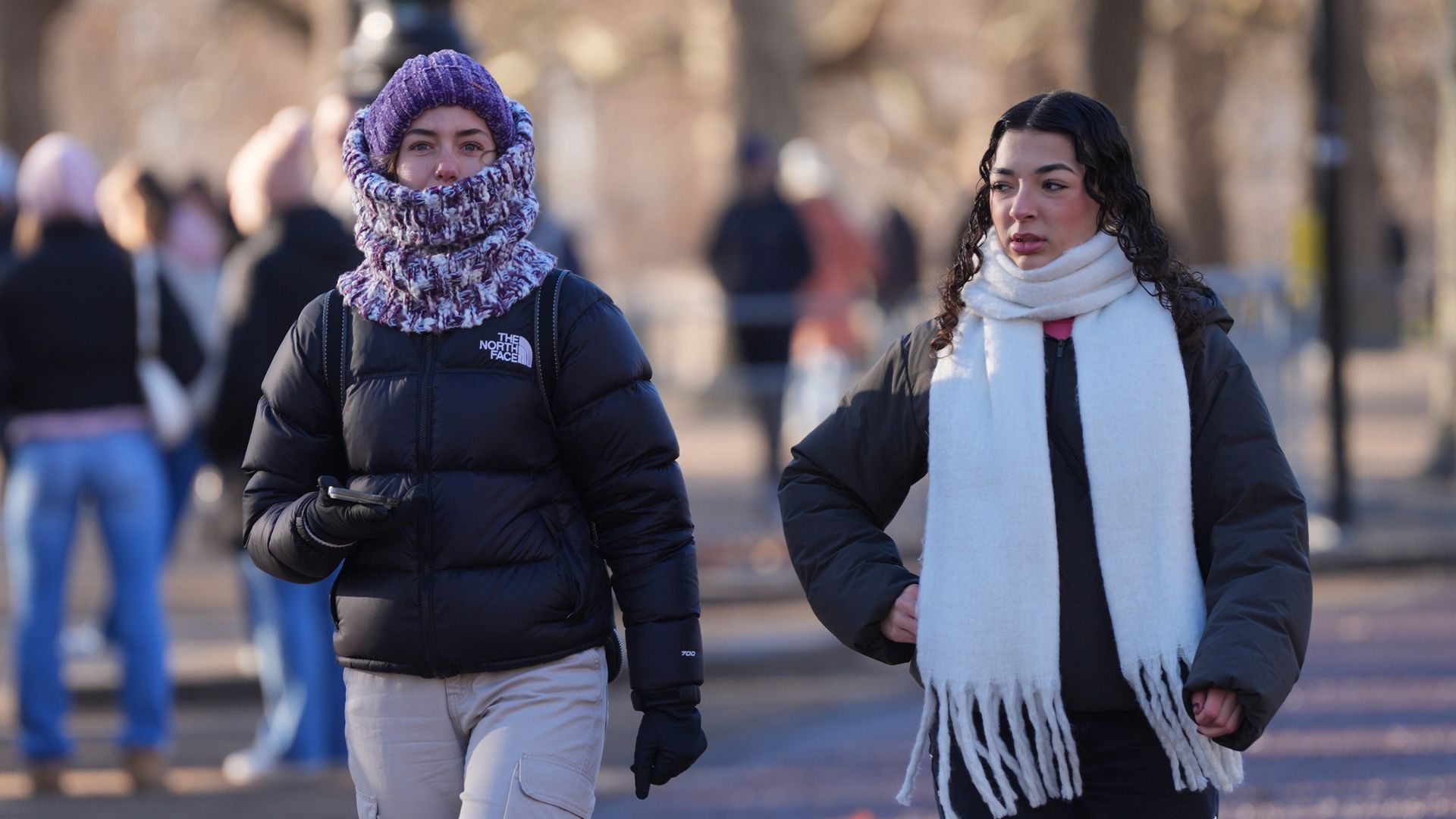
Local authorities have ramped up efforts to provide support for homeless populations, opening shelters and emergency accommodation to help those at risk from the cold. Public health officials recommend wearing multiple layers, avoiding unnecessary travel after dark, and checking on neighbors who may be vulnerable to the cold.
Why This Cold Spell Matters and What It Means Moving Forward
Extended periods of severe cold can place significant stress on public services, from increased demand in healthcare facilities to challenges in maintaining transport networks. Schools and businesses may face closures or reduced hours as a precaution against icy conditions.
Moreover, this cold snap serves as a reminder of the broader challenges posed by extreme weather events. With climate change contributing to increased volatility in weather patterns, local governments and communities are urged to strengthen their resilience strategies to better cope with such episodes in the future.
Residents should remain vigilant as the cold weather alert remains in effect. Monitoring updates from the meteorological service and adhering to safety guidance will be crucial in minimizing the impact of this severe cold spell.
As the weekend approaches, preparation and caution will be key to navigating the bitter temperatures expected. Staying informed and ready will help ensure safety and well-being during this extended period of freezing weather.