Hospital admissions for high blood pressure, often dubbed the “silent killer,” have surged sharply across the United Kingdom, prompting urgent warnings from NHS leaders. This troubling trend highlights growing health risks linked to hypertension, a condition that frequently develops unnoticed but significantly increases the chance of life-threatening complications such as stroke, heart attack, and kidney failure.
Understanding the Rise in Hypertension-Related Hospitalizations
High blood pressure, medically known as hypertension, affects millions nationwide but often remains undiagnosed because it rarely causes obvious symptoms. The recent increase in hospital admissions reflects not only a rise in severe cases but also potential gaps in early detection and management within primary care settings.
Experts attribute the surge to multiple factors, including lifestyle changes exacerbated by the COVID-19 pandemic. Reduced physical activity, poorer diets, increased stress levels, and delayed medical check-ups have likely contributed to deteriorating blood pressure control among many individuals.
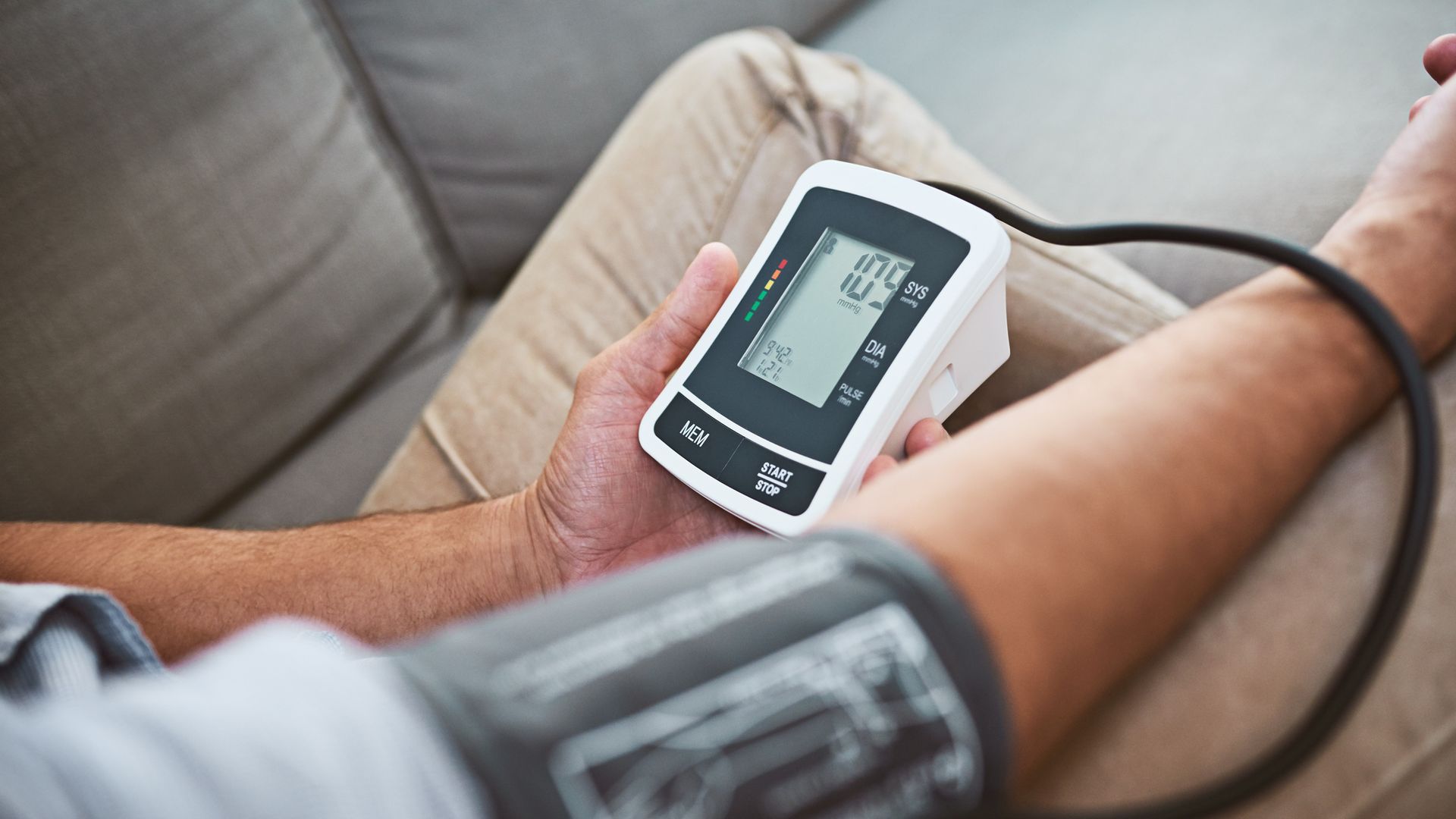
The NHS warns that this upward trend represents a public health crisis. Without effective intervention, more patients face severe complications that strain healthcare resources and diminish quality of life. The rise in admissions indicates that many people with high blood pressure may not be receiving timely treatment or adequately monitoring their condition.
Why High Blood Pressure Demands Immediate Attention
Often symptomless until it triggers a serious event, high blood pressure can silently damage arteries and vital organs over years. This “silent killer” significantly increases the risk of stroke, heart disease, and kidney problems, which are leading causes of disability and death in the UK.
Early detection and sustained management are crucial for preventing these outcomes. Regular blood pressure checks, lifestyle modifications such as diet and exercise, and appropriate medication adherence can effectively control hypertension in most patients.
However, the recent spike in hospitalizations suggests many individuals may be unaware of their condition or unable to access consistent care. NHS leaders emphasize the need for robust public health campaigns to raise awareness and encourage routine screening, especially among high-risk groups like older adults and those with a family history of cardiovascular disease.
What This Means for Patients and the NHS
The increase in hypertension-related admissions underscores both a growing health challenge and an opportunity for preventive healthcare. For patients, it serves as a stark reminder to monitor blood pressure regularly and seek medical advice promptly if readings are elevated.
For the NHS, the surge places additional pressure on hospital services already stretched by other demands. Addressing this requires coordinated efforts to improve community-based care, enhance patient education, and support lifestyle interventions that reduce hypertension prevalence.
Policymakers and healthcare providers must prioritize accessible screening programs and ensure patients receive consistent guidance to manage their blood pressure effectively. This approach could reduce avoidable hospital admissions, improve long-term health outcomes, and ease the burden on acute care facilities.
In summary, the alarming rise in hospital admissions for high blood pressure highlights an urgent public health issue demanding immediate action. Tackling this “silent killer” through early detection, patient engagement, and preventive strategies offers the best chance to reverse the trend and safeguard the health of millions across the UK.