
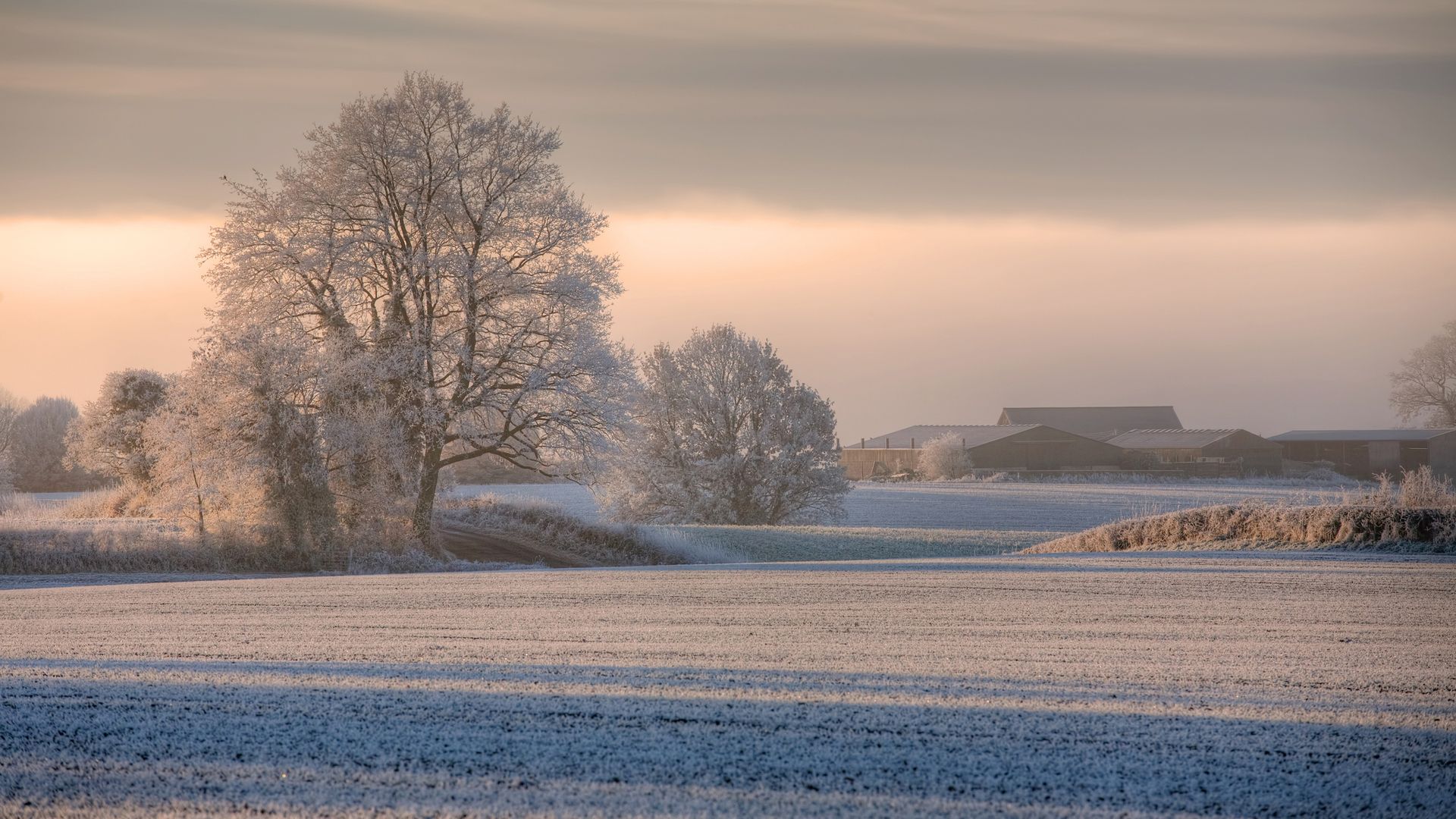
The traditional chill of UK winters is poised for a profound shift as climate change accelerates. The Met Office forecasts a future with significantly fewer frosty mornings and an increase in warm days, signaling a dramatic transformation in the UK’s seasonal weather patterns.
Changing Winter Weather Patterns Across the UK
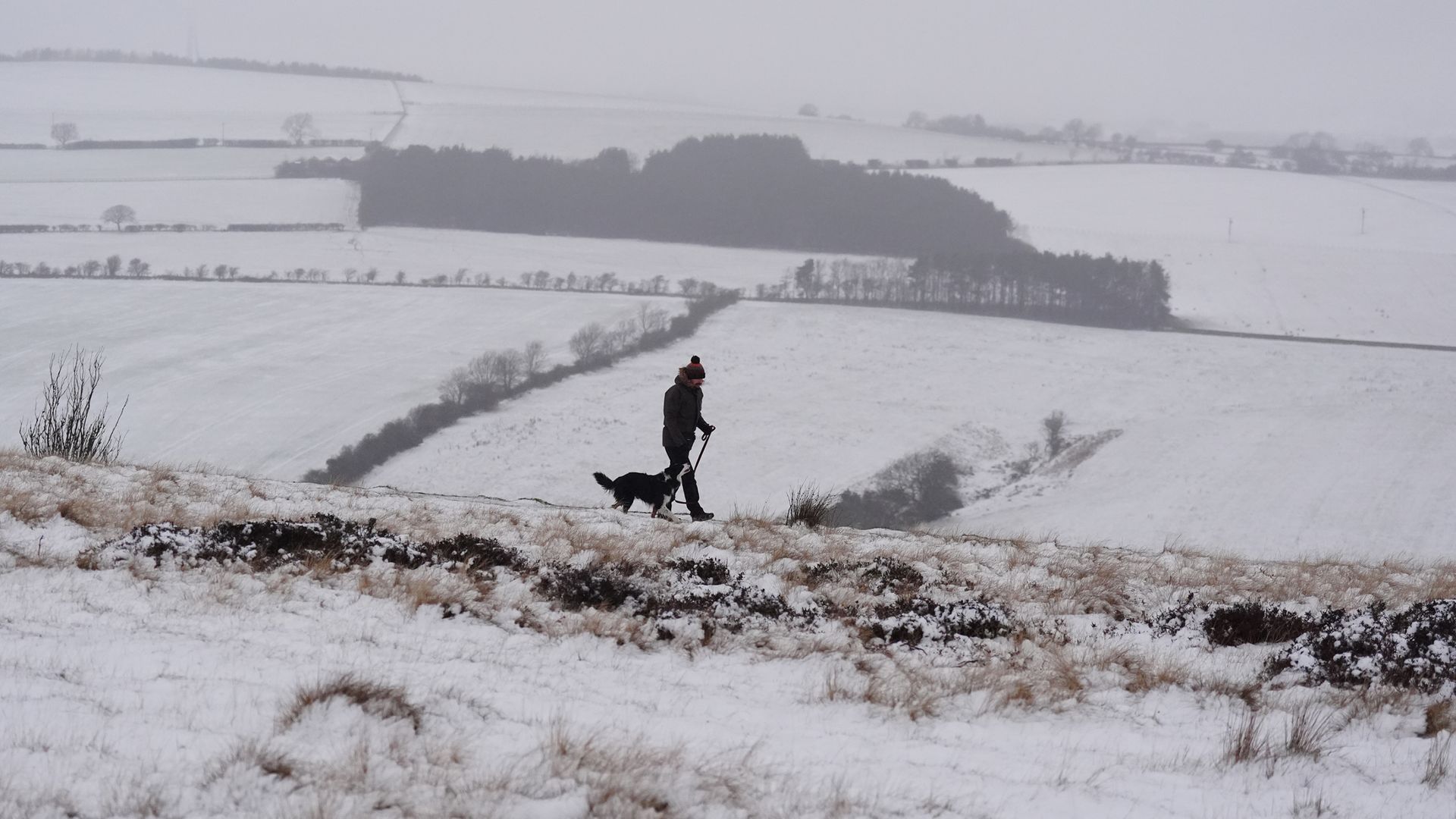
Historically, UK winters have been characterized by cold spells, frequent frosts, and occasional snow. These conditions have shaped not only the environment but also cultural practices and ecosystems. However, the Met Office’s latest climate projections reveal a starkly different future. Winters will see a marked decline in the number of frost days, accompanied by more frequent warm spells, sometimes even resembling summer heatwaves.
This shift results from rising global temperatures caused by increased greenhouse gas emissions. As the atmosphere warms, the jet stream—the powerful air current that influences UK weather—may weaken or shift, allowing milder air masses from the south to dominate during the winter months. Consequently, the UK will experience fewer cold snaps and more persistent mild conditions.
Why Fewer Frosts and More Warm Days Matter
The reduction in frost days and the rise in winter warmth carry significant implications for multiple sectors. Agriculture, for instance, depends heavily on predictable seasonal cycles. Many crops and livestock are adapted to traditional cold conditions, and abrupt changes may disrupt planting schedules, pest cycles, and animal health.
Natural ecosystems will also face challenges. Many native plants and animals rely on winter frosts to trigger biological processes such as dormancy and breeding. Warmer winters could disrupt these cycles, potentially threatening biodiversity. For example, certain pests and diseases that are usually kept in check during cold spells may thrive, impacting forests and farmlands alike.
Moreover, the energy sector could see shifts in demand patterns. Milder winters might reduce heating needs, altering consumption trends and economic models for energy providers. At the same time, the UK may need to prepare for more unpredictable weather extremes, including sudden cold snaps or heavy rainfall, because climate change tends to increase overall weather volatility.
What This Means for the Future and How to Prepare
Understanding these changes is crucial for policymakers, businesses, and communities across the UK. Adaptation strategies must address the emerging climate realities to safeguard infrastructure, agriculture, and public health. This includes investing in climate-resilient crops, strengthening natural habitats, and redesigning urban spaces to manage heat and rainfall.
Public awareness and preparedness will also be key. As winters become less predictable, traditional expectations about weather will need to evolve. Communities should be informed about the potential for unusual weather patterns, such as unexpected warmth or brief but intense cold spells, to reduce risks and capitalize on new opportunities.
The Met Office’s warnings serve as a crucial reminder that climate change is not just a future threat but an ongoing transformation impacting daily life. As UK winters become forever different, proactive measures are essential to adapt effectively.
Looking ahead, the need to reduce greenhouse gas emissions remains urgent. While adapting to a changing climate, the UK and the global community must continue pursuing ambitious climate policies to limit further warming and preserve the delicate balance of seasonal weather.
In summary, the UK faces a future where winter frost becomes a rarity, replaced by warmer, milder conditions. This shift demands comprehensive planning and action to navigate the environmental, economic, and social challenges that lie ahead.