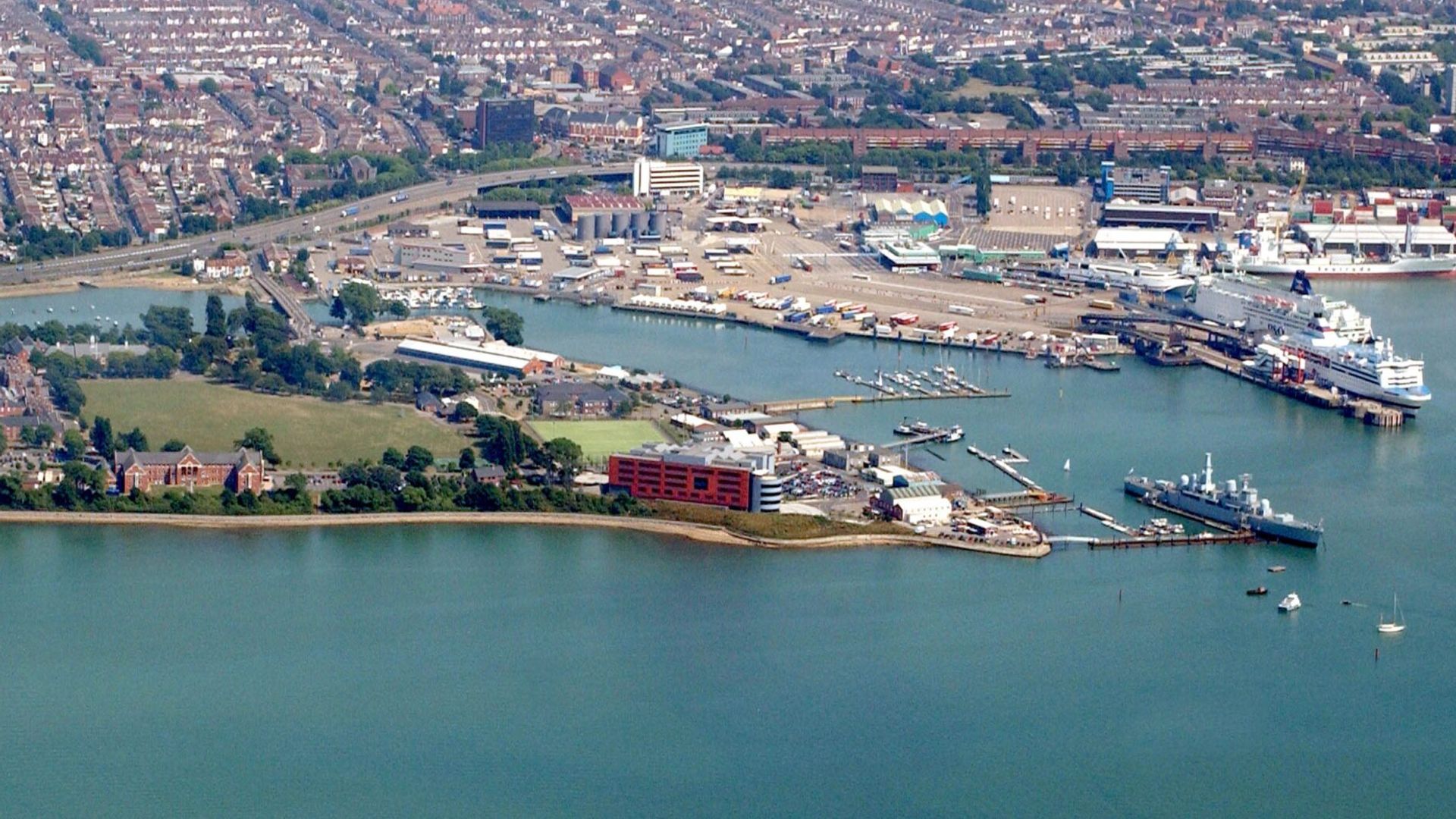

The sudden collapse of Poundland has thrust the role of private equity firms in transforming Britain’s high streets into the spotlight. With over 10,000 jobs now at risk, members of parliament have announced a formal probe to examine how private equity ownership influences the sustainability and resilience of retail chains that form the backbone of local communities.
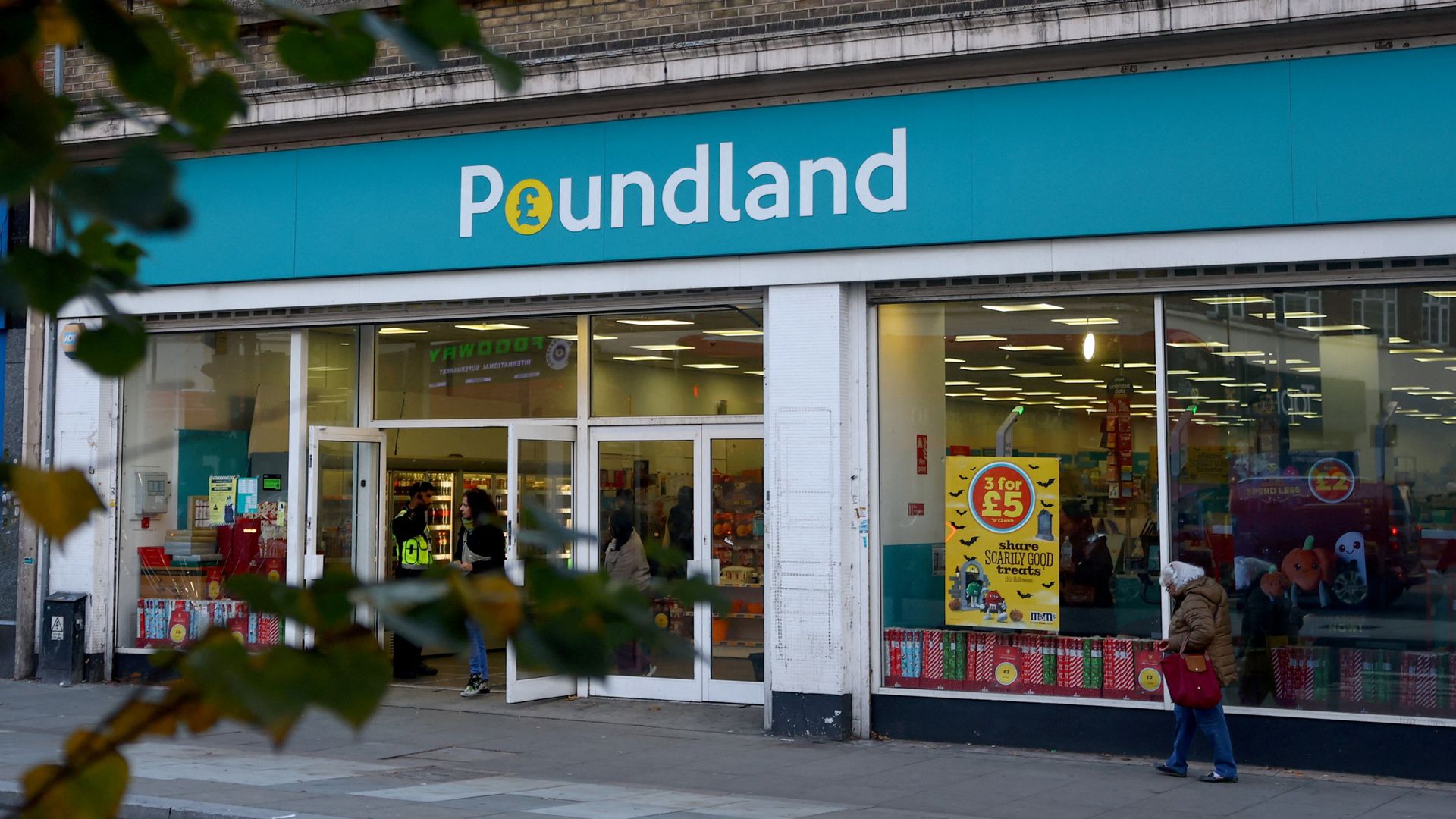
What Happened: Poundland’s Collapse and Its Wider Implications
Poundland, a ubiquitous discount retailer known for its low-price offerings, entered administration this week, triggering alarm across the retail sector. This move immediately endangered thousands of jobs and raised urgent questions about the financial strategies behind such high street brands.
The company’s failure is not an isolated incident but part of a broader trend affecting multiple retailers that have been acquired or heavily financed by private equity firms. These investors often prioritize rapid expansion and cost-cutting measures that can leave companies vulnerable to economic downturns or shifts in consumer behavior.
For communities across the UK, the collapse means more than just job losses. Poundland stores provide affordable goods to millions, especially in economically challenged areas. Their closure threatens increased hardship for consumers and a potential increase in the number of empty retail premises, which can have a knock-on effect on local economies.
Why MPs Are Probing Private Equity’s Role
Parliamentary leaders have expressed concern over the aggressive financial practices employed by private equity firms that own or invest in high street retailers. These firms often load businesses with significant debt to finance buyouts, which can impair long-term viability.
The probe aims to uncover whether private equity’s pursuit of short-term profits undermines the stability of retail chains that many communities depend on. MPs want to understand the mechanisms through which these firms influence business decisions and whether regulatory frameworks adequately protect workers and consumers.
Critics argue that private equity’s involvement can lead to cost-cutting on staff, reduced investment in stores, and a focus on asset stripping rather than building sustainable businesses. Supporters, however, contend that private equity can bring necessary capital and expertise to struggling companies, potentially saving them from failure.
What This Means for Britain’s High Streets and Workers
The investigation signals a growing recognition within government that the health of the high street is critical not only for economic reasons but also for social cohesion. High street retailers like Poundland often serve as vital community hubs, providing accessible goods and local employment.
By scrutinizing private equity’s involvement, MPs are pushing for greater transparency and accountability. The inquiry could lead to recommendations for tighter regulations on buyout structures, debt levels, and corporate governance practices in retail businesses.
For the thousands of employees facing uncertainty after Poundland’s collapse, this parliamentary action offers a glimmer of hope that future ownership models might better balance profit motives with long-term sustainability and job security.
Retail experts also suggest that lessons learned from this probe could reshape investment strategies across the sector, encouraging more responsible stewardship of high street brands that communities rely on.
Looking Ahead: What Comes Next?
The parliamentary inquiry is just the beginning of a broader conversation about how to protect Britain’s high streets amid evolving economic challenges. With changing consumer habits, the rise of online shopping, and ongoing inflationary pressures, the retail landscape is under intense strain.
Government officials, industry stakeholders, and consumer advocates will need to collaborate to create frameworks that foster resilient businesses capable of weathering future shocks. This might include promoting alternative ownership models, supporting local enterprise, or revising financial regulations surrounding private equity investments.
Ultimately, the Poundland collapse and ensuing parliamentary probe highlight the urgent need to rethink how Britain’s cherished high street retailers are financed and managed. Ensuring these businesses remain viable is essential not only for economic prosperity but also for maintaining vibrant, inclusive communities across the nation.
Full details of the parliamentary investigation and its findings have yet to be released.