Amazon employees worldwide are preparing to disrupt the busiest shopping weekend of the year—Black Friday—by staging strikes and rallies to demand fairer wages and improved working conditions. This coordinated action highlights long-standing grievances within the e-commerce giant’s workforce, shedding light on the pressures faced by staff amid surging online sales.
What’s Driving the Amazon Worker Protests?
Amazon’s vast network of warehouses and fulfillment centers powers the company’s retail dominance, especially during peak shopping periods like Black Friday. However, workers have voiced increasing frustration over what they describe as unfair pay structures and oppressive labor practices.
Employees accuse Amazon of imposing grueling work quotas, stringent time constraints, and inadequate compensation that fail to reflect the intensity and scale of their labor. Critics argue these conditions contribute to high stress levels and physical strain, with many workers reporting exhaustion during peak seasons.
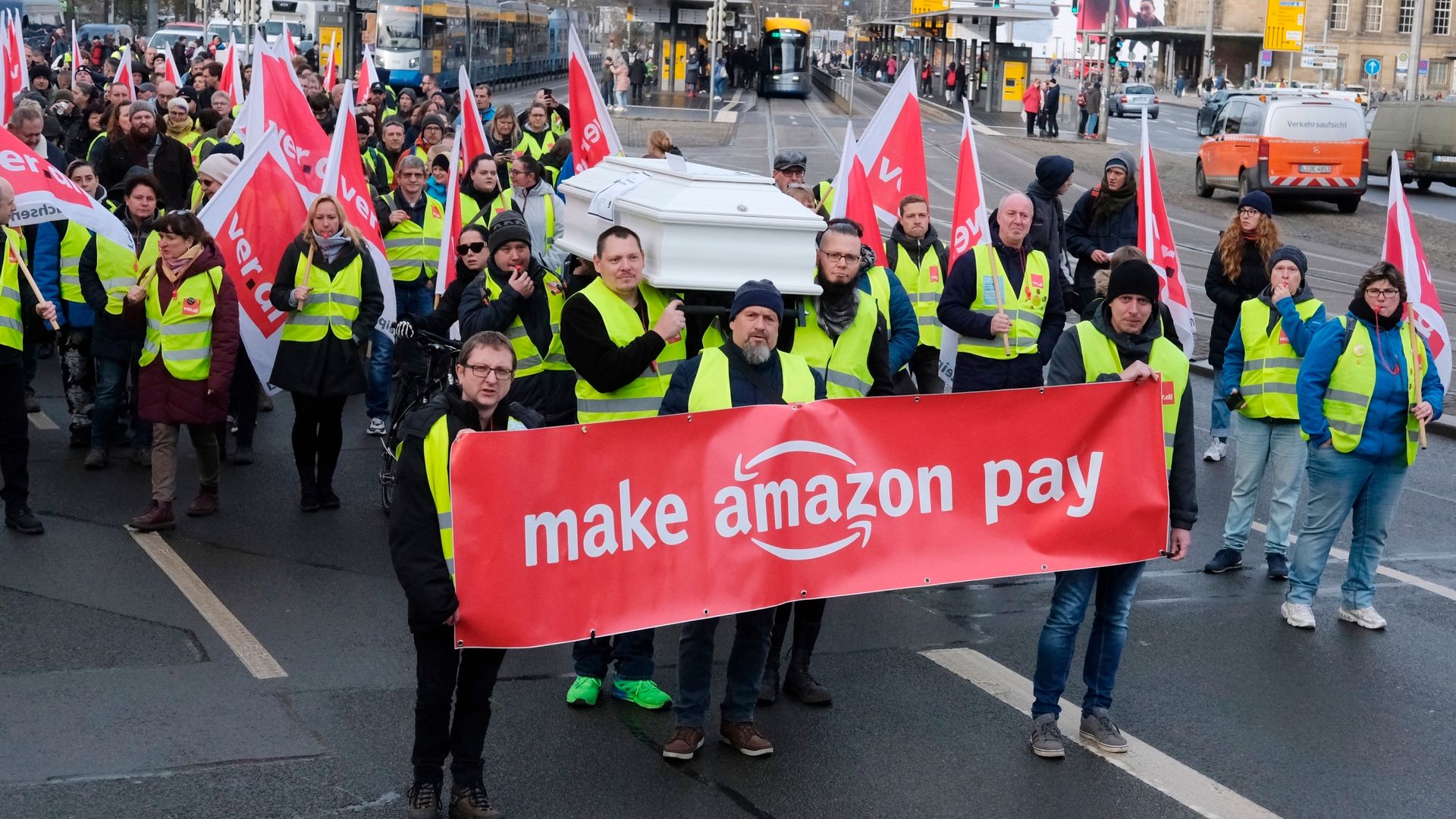
Organized labor groups and unions have amplified these concerns, coordinating strikes across multiple countries to coincide with Black Friday. Their goal is to leverage the high-profile shopping event to draw attention to their demands and pressure Amazon to negotiate better terms.
Global Scale of the Strikes and Worker Demands
The protests are not isolated to a single region but span several continents, reflecting the global nature of Amazon’s workforce. In North America, Europe, and parts of Asia, employees plan to walk off the job or participate in public demonstrations at key distribution hubs.
Key demands include:
- Increased wages that keep pace with the rising cost of living and the company’s profitability.
- Improved working conditions, such as reasonable productivity targets and better safety measures.
- Greater job security and protections against unfair disciplinary actions.
- Recognition of workers’ rights to organize and bargain collectively without retaliation.
These protests come as Amazon continues to grow its market share and profits, raising questions about the distribution of wealth within the company. Workers argue that the wealth generated by their labor should translate into tangible improvements in their employment terms.
Why This Matters: The Impact on Consumers and the Future of Retail Labor
Black Friday represents one of the most critical sales periods for retailers globally, with Amazon handling millions of orders in a matter of hours. A strike during this time could disrupt deliveries, delay shipments, and affect customer satisfaction, forcing the company to confront labor issues more directly.
Moreover, these protests underscore broader trends in the retail and logistics sectors, where frontline workers increasingly demand fair treatment amid rapid industry growth and technological change. Amazon’s response may set a precedent for how major corporations balance profitability with employee welfare.
For consumers, the strikes highlight the human element behind the convenience of fast shipping and low prices. It raises awareness about the conditions workers endure to keep supply chains running smoothly and prompts reflection on sustainable business practices.
Looking Ahead: What Comes Next for Amazon and Its Workforce
Amazon’s management faces a pivotal moment. The company must decide whether to engage constructively with its workforce or risk prolonged conflict that could damage its reputation and operational efficiency. Previous attempts at addressing labor concerns have met mixed results, leaving uncertainty about the path forward.
For workers, the Black Friday protests represent an opportunity to assert their collective voice on a global stage. Success could inspire similar actions in other sectors, amplifying calls for fair labor standards worldwide.
Ultimately, the Amazon strikes on Black Friday serve as a critical flashpoint in the ongoing struggle for workers’ rights in the digital age. How this situation unfolds will have lasting implications for employees, consumers, and the future of labor relations in one of the world’s most influential companies.