The Ministry of Defence (MoD) is grappling with a significant lack of skills and expertise required to address the longstanding issues surrounding poor-quality housing for armed forces families, according to recent warnings from Members of Parliament (MPs). This shortfall threatens to stall urgent improvements needed in military accommodations, impacting the welfare and morale of service personnel and their families.
Why Military Housing Matters
Quality housing is a fundamental aspect of supporting the armed forces community. For service members, who often relocate frequently and endure the stresses of military life, having safe, comfortable, and well-maintained homes is crucial. The condition of military housing not only affects the daily lives of families but also plays a role in recruitment, retention, and overall operational readiness.
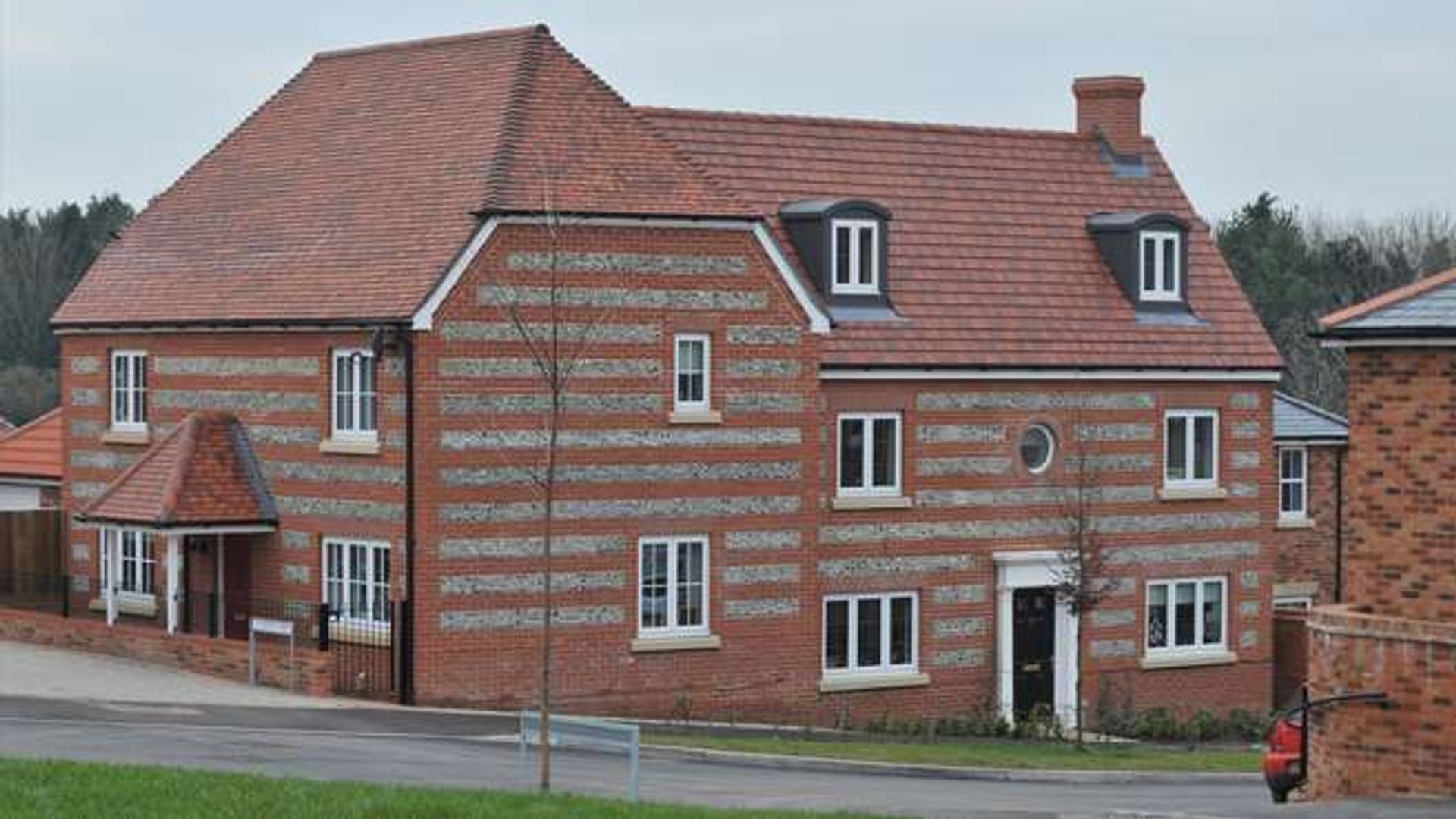
Despite its importance, military housing across the UK has faced criticism for years due to dilapidated conditions, delayed repairs, and inadequate management. Many families live in properties that fall short of acceptable standards, leading to frustration and hardship. The government’s responsibility to provide suitable accommodation is clear, yet the MoD’s capability to deliver these improvements has been called into question.
MPs Highlight Ministry’s Skills Gap
Parliamentary oversight bodies have recently raised alarms about the MoD’s internal capacity to manage and execute the complex task of overhauling military housing. MPs emphasize that the Ministry lacks the specialized expertise necessary to coordinate refurbishment projects, oversee contractors effectively, and implement modern housing standards.
This deficiency in skills spans various crucial areas, including project management, property maintenance, and tenant engagement. Without dedicated professionals who understand the unique needs of military communities and the intricacies of housing infrastructure, the MoD risks perpetuating the cycle of substandard living conditions.
Furthermore, MPs warn that the absence of in-house expertise undermines accountability and transparency. It complicates efforts to monitor progress, address complaints promptly, and ensure that contractors meet their obligations. This situation exacerbates distrust among service families, who often feel neglected and voiceless in the decision-making process.
The Challenge of Overhauling Military Housing
Revamping military housing is a multifaceted challenge. It requires not only substantial financial investment but also strategic planning and skilled execution. The MoD must balance the immediate need to repair existing homes with long-term initiatives to build modern, energy-efficient accommodations suitable for 21st-century military life.
Additionally, the Ministry faces logistical complexities related to coordinating construction projects across multiple locations nationwide, often while accommodating the transient nature of military postings. The involvement of private contractors adds another layer of complexity, demanding rigorous oversight to ensure quality and value for money.
In recent years, some initiatives have aimed to improve conditions, such as the Defence Infrastructure Organisation’s housing programs. However, progress has been slow and uneven, with many families still reporting dissatisfaction. MPs argue that without strengthening the MoD’s in-house capabilities, these efforts will fall short of delivering meaningful change.
What This Means for Armed Forces Families
The ongoing housing challenges directly affect the wellbeing of service personnel and their families. Poor living conditions can lead to health issues, increased stress, and reduced morale, which in turn impact operational effectiveness. Families facing persistent maintenance problems or unsafe environments endure unnecessary hardship.
Moreover, the lack of confidence in the MoD’s ability to resolve these issues may influence decisions by serving members about whether to continue their military careers. Retaining experienced personnel is vital for national security, and housing quality is a key factor in personnel satisfaction.
Addressing this expertise gap is essential not only for improving current housing stock but also for laying the groundwork for a more responsive and resilient housing system. This will require the MoD to recruit or develop professionals with the right skills and to adopt best practices from the civilian housing sector.
Looking Ahead: Steps to Close the Expertise Gap
To turn the tide on military housing woes, the MoD must prioritize building its internal expertise. This could involve targeted recruitment, professional development programs, and partnerships with housing experts. Enhanced training in project management and tenant relations will empower the Ministry to oversee refurbishment initiatives more effectively.
Additionally, greater transparency and engagement with armed forces families can foster trust and ensure that housing policies truly reflect their needs. MPs suggest that setting clear performance benchmarks and establishing independent oversight mechanisms could improve accountability.
The government’s commitment to supporting the armed forces extends beyond the battlefield; it encompasses providing dignified living conditions that honor their service. Closing the MoD’s expertise gap is a critical step toward fulfilling this promise and delivering the quality housing that military families deserve.
In summary, the Ministry of Defence’s current lack of specialist skills risks prolonging the plight of armed forces families living in substandard housing. Addressing this issue is urgent to enhance service members’ welfare, boost morale, and maintain a strong, ready military force.