
Brace for a chilling spell as snow threatens to blanket parts of northern UK, accompanied by a yellow ice warning issued across several regions. This stark weather shift signals that cold conditions are settling in firmly, challenging commuters and residents alike.
Snowfall Expected in Northern Regions
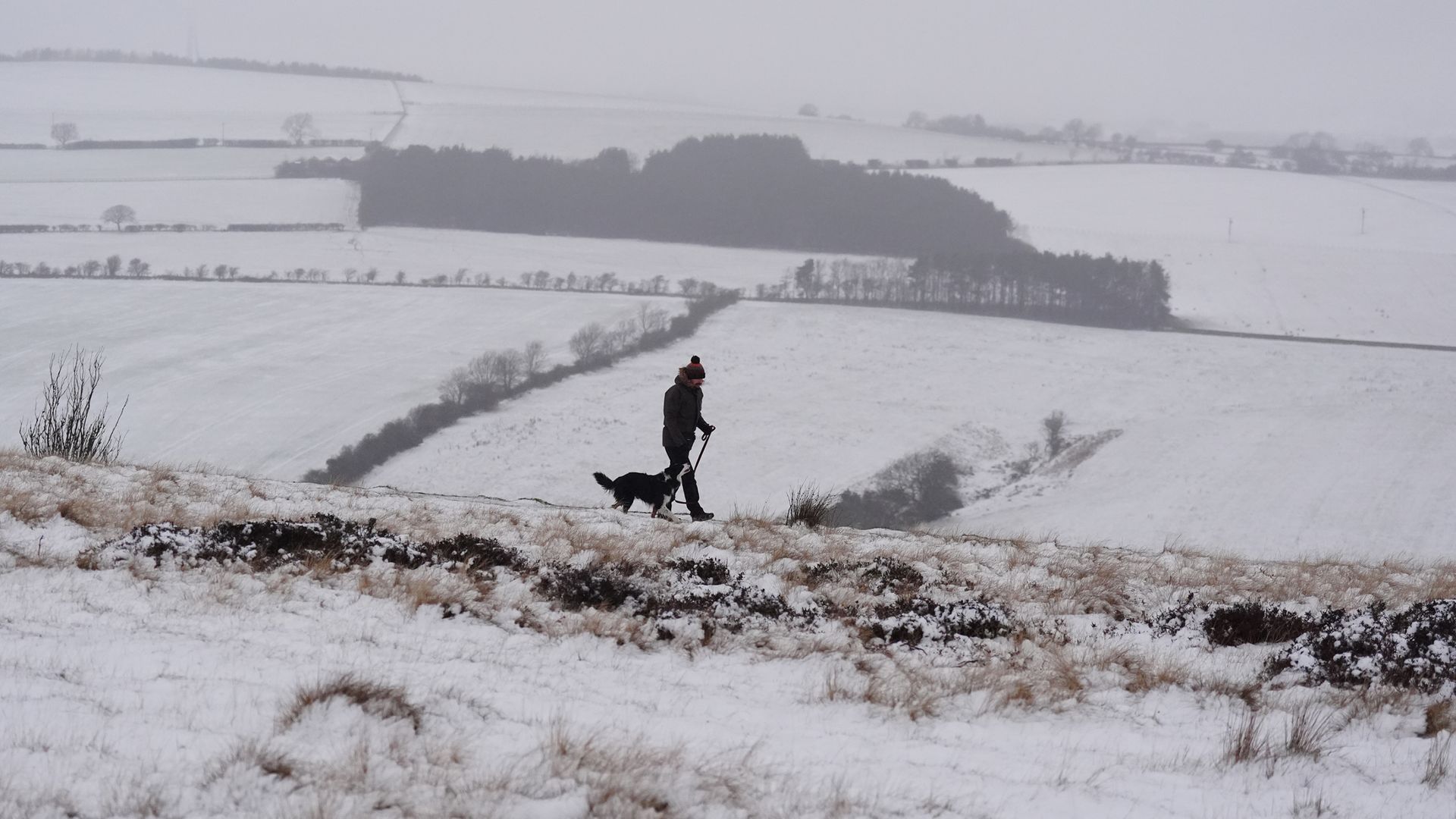
Forecasters predict that over the coming days, northern areas of the UK could experience intermittent snow showers. This development marks a notable turn in weather patterns as winter asserts its presence more forcefully. The potential for snow is especially significant because it can disrupt transport, impact daily routines, and heighten safety concerns on roads and pathways.
The arrival of snow is linked to a cold air mass moving in from the north and east, lowering temperatures enough for precipitation to fall as snow rather than rain. Such conditions typically arise when moist air meets freezing temperatures near the ground, creating the perfect recipe for wintry precipitation.
Yellow Ice Warning: What It Means for Residents
Alongside snowfall, the Met Office has issued a yellow ice warning covering parts of the UK. This alert indicates a likelihood of icy patches forming on roads, pavements, and other surfaces, raising the risk of slips, trips, and vehicle accidents. The warning urges caution for anyone traveling or spending time outdoors, especially during early mornings and late evenings when temperatures dip lowest.
The yellow warning serves as an early alert to prepare for hazardous conditions. Local authorities and emergency services typically ramp up readiness during such periods, ensuring gritters operate on key routes and public safety announcements are issued to minimize accidents.
Why This Cold Snap Matters
This persistent cold weather signals the onset of a more challenging winter period. Beyond the immediate inconvenience, prolonged cold and icy conditions can strain infrastructure and healthcare services. Vulnerable populations, including the elderly and those with pre-existing health issues, face increased risks during such weather.
Moreover, the cold snap impacts energy demand, with households and businesses using more heating, which can lead to higher costs and pressure on energy supplies. The agriculture sector also feels the effects, as frost and snow can damage crops and affect livestock wellbeing.
Understanding and preparing for these conditions can mitigate some of the adverse impacts. Simple measures such as dressing warmly, allowing extra travel time, and ensuring homes are insulated become critical as the cold settles in.
Looking Ahead: Preparing for Extended Cold
Experts suggest that this cold spell is not a brief event but could persist, hinting at a winter with recurring icy and snowy episodes. Residents across the UK are advised to stay informed through weather updates and heed official advice concerning travel and outdoor activities.
Communities and authorities are expected to maintain heightened vigilance, continuing gritting operations and public safety messaging. For individuals, proactive steps like checking heating systems, stocking up on essentials, and planning journeys carefully will be vital to navigate this wintry phase safely.
As the UK braces for these colder days ahead, awareness and preparedness remain key. The arrival of snow and ice is a clear reminder that winter’s grip is tightening, demanding respect and caution from all.