The Ministry of Defence (MoD) has taken a significant step by reaching out to nearly 100,000 military veterans, urging them to prepare for the possibility of mobilisation in the event of a national crisis. However, the MoD faces a major hurdle: it lacks up-to-date contact information for approximately half of these former service members, complicating efforts to ensure readiness.
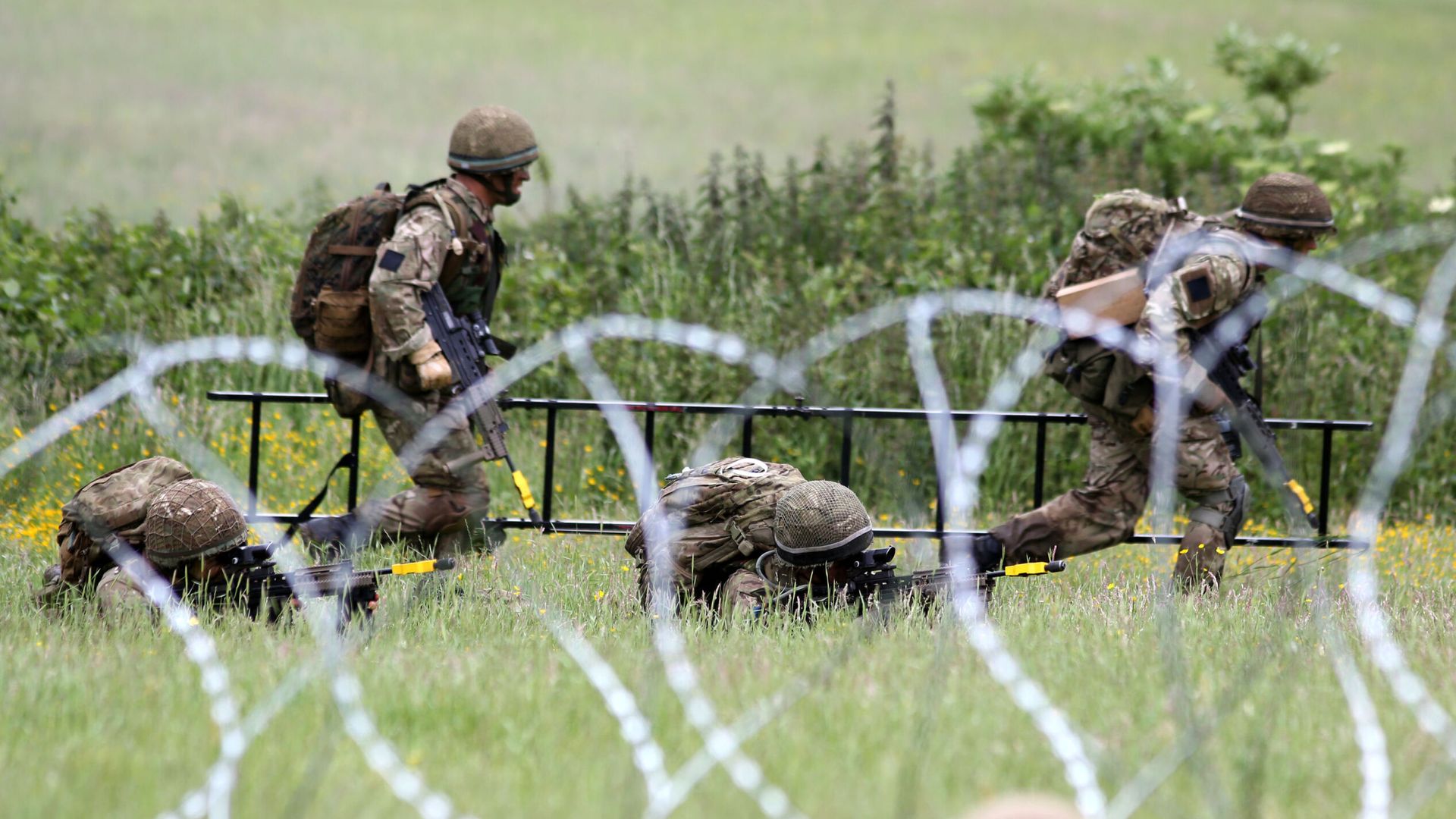
What’s Happening: Mobilisation Letters Sent to Veterans
In an unprecedented move, the MoD recently published open letters addressed to ex-service personnel, reminding them of their legal and moral obligation to be ready for mobilisation if the government calls upon them. This action underscores the government’s intent to bolster national security by maintaining a responsive and prepared reserve force.
Mobilisation refers to the process by which veterans are recalled to active duty during emergencies such as military conflicts or national security threats. These letters serve as a formal notification aimed at activating the reserve forces and ensuring that veterans are aware of their responsibilities.
Despite sending these letters, the MoD reports a troubling gap in its contact database. Out of the nearly 100,000 veterans targeted, the department lacks current phone numbers, email addresses, or postal details for roughly half. This means thousands might miss critical information about mobilisation procedures or their role in a crisis.
Why This Matters: The Challenge of Maintaining Military Readiness
Effective mobilisation relies heavily on communication. The inability to reach a large portion of veterans presents serious risks to national security and operational readiness. Without reliable contact details, the MoD cannot guarantee that veterans will receive timely alerts or instructions, potentially delaying response times in critical situations.
The issue also highlights broader challenges in maintaining accurate records for former military personnel. Veterans often move frequently after service, change contact information, or disengage from military networks, making it difficult for authorities to keep databases current.
Moreover, this communication gap impacts not only mobilisation but also welfare and support services. Veterans who are out of reach may miss important updates about benefits, healthcare, or community programs designed to assist them post-service.
Who Is Affected?
The veterans impacted by this communication shortfall span a wide range of service backgrounds—from those who recently left active duty to individuals who served decades ago. The inability to locate these veterans hinders the MoD’s capacity to mobilise a diverse and experienced reserve force quickly.
Additionally, the lack of contact information could strain veterans’ trust in institutional support systems. If ex-service members feel disconnected from official channels, they may be less likely to engage with future mobilisation efforts or government initiatives.
What Comes Next: Improving Veteran Engagement and Readiness
Addressing this communication gap is essential. The MoD will likely need to invest in enhanced outreach programs, leveraging technology and partnerships with veteran organizations to update contact records and strengthen ties with the veteran community.
Efforts could include digital registration portals, social media campaigns, and collaboration with charities and local support groups that have closer relationships with veterans. These measures would help ensure that veterans receive timely alerts and can respond quickly if mobilisation orders are issued.
Furthermore, this situation may prompt a broader review of how the government manages veteran data and communications, potentially leading to more robust systems designed to maintain continuous contact throughout a veteran’s post-service life.
Why This Mobilisation Effort Is Critical
In today’s complex geopolitical landscape, maintaining a ready and effective reserve force is vital to national defense. Veterans bring invaluable skills, experience, and knowledge that can be rapidly deployed in emergencies.
The MoD’s initiative to notify veterans of their mobilisation duties reflects the government’s proactive stance on security preparedness. However, the communication challenges uncovered reveal that more work remains to ensure the system functions smoothly.
For veterans, staying connected with the MoD not only fulfills legal obligations but also guarantees access to critical information and support when it matters most.
Looking Forward: Strengthening the Veteran-MoD Relationship
The MoD’s attempt to contact veterans marks a pivotal moment in reinforcing the link between former military personnel and national defense infrastructure. Closing the communication gap will require sustained effort and collaboration across government bodies and veteran communities.
Ultimately, the success of any mobilisation plan depends on clear, reliable communication. Ensuring that every veteran can be reached and informed will safeguard national security and honor the commitment of those who have served.
As the MoD works to resolve these issues, veterans and policymakers alike must recognize the importance of maintaining open channels. This will not only prepare the country for future crises but also strengthen the support network for those who have dedicated their lives to defense.