A landmark court ruling has confirmed that a Christian social worker faced unlawful discrimination due to his religious beliefs regarding same-sex relationships. This decision highlights the ongoing tension between religious freedom and workplace equality, raising important questions about how personal convictions intersect with professional responsibilities.
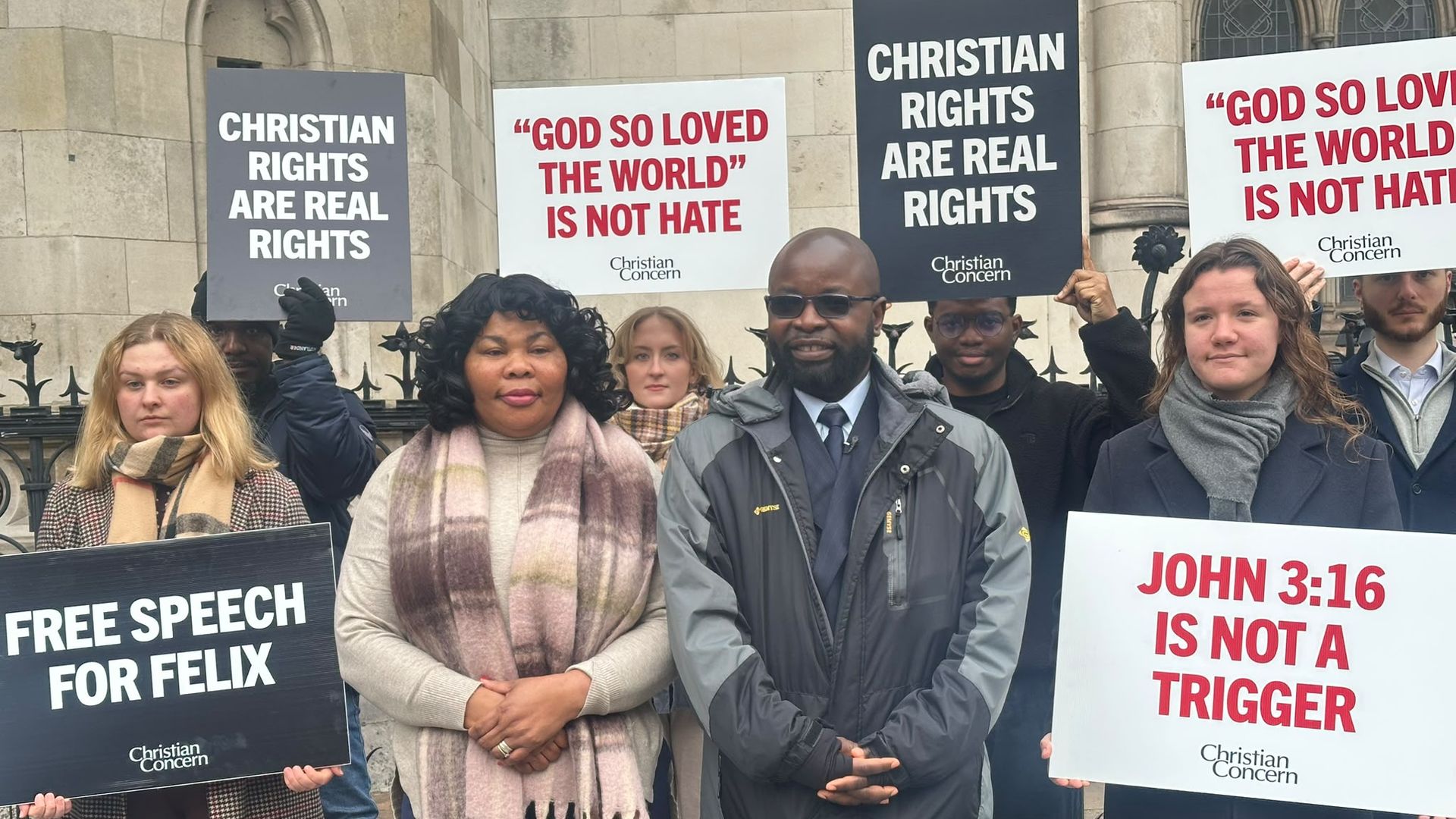
What Happened: The Case Details
The case centered on a social worker who adheres to traditional Christian teachings about marriage and same-sex relationships. He alleged that his employer discriminated against him because of these views, which conflicted with the organization’s inclusive policies on LGBT+ issues.
During his employment, the social worker reportedly encountered adverse treatment linked to his expressed religious beliefs. The court examined whether this treatment amounted to discrimination under current equality laws, which protect individuals from unfair treatment based on religion or belief.
After careful consideration, the court ruled in favor of the social worker, confirming that his religious convictions were a protected characteristic. The judgment emphasized that employees must not face discrimination simply for holding religious views, even if those views are unpopular or controversial in modern workplaces.
Why This Ruling Matters
This court decision carries significant implications for both employers and employees. It underscores the legal protections afforded to religious beliefs, ensuring that individuals are not penalized for sincerely held convictions when performing their job duties.
At the same time, the ruling highlights the delicate balance organizations must maintain between fostering inclusive environments and respecting diverse viewpoints. Employers are now reminded to carefully navigate potential conflicts between anti-discrimination policies and religious freedoms.
For social workers and professionals in similar roles, this case reaffirms the right to hold personal beliefs without fear of workplace retaliation, as long as those beliefs do not interfere with fulfilling professional responsibilities or contravene established codes of conduct.
What Comes Next: Navigating Faith and Professionalism
In the aftermath of this ruling, employers are encouraged to review their policies on diversity and inclusion to ensure they accommodate religious beliefs fairly while promoting respect for all individuals. Training and clear guidelines can help prevent misunderstandings and discriminatory practices.
Meanwhile, employees who hold religious views that might differ from mainstream workplace values can take comfort in this legal precedent. It clarifies that the law protects their right to express and live by their beliefs, provided they do so respectfully and professionally.
This case serves as a critical reminder that the evolving landscape of workplace rights requires ongoing dialogue and sensitivity. Balancing faith and inclusivity is complex but essential to creating environments where everyone can thrive.
Looking Ahead: A Call for Respect and Understanding
As society continues to grapple with issues surrounding faith, identity, and equality, this court ruling offers a clear message: discrimination against individuals based on their religious beliefs is unlawful. Employers and employees alike must strive for mutual respect and open communication.
The decision not only protects the rights of religious social workers but also encourages broader conversations about how diverse beliefs coexist in professional settings. By fostering understanding rather than division, workplaces can become spaces where all individuals feel valued and empowered.
Ultimately, this ruling marks a significant step toward ensuring that freedom of belief and commitment to equality go hand in hand, shaping fairer and more inclusive work environments for the future.