

The Federal Communications Commission (FCC) has granted SpaceX unprecedented approval to deploy up to one million satellites into orbit, marking a historic milestone in the development of satellite internet infrastructure. This authorization enables SpaceX to dramatically expand its constellation, aiming to create a vast network of data centers in space to enhance global connectivity.
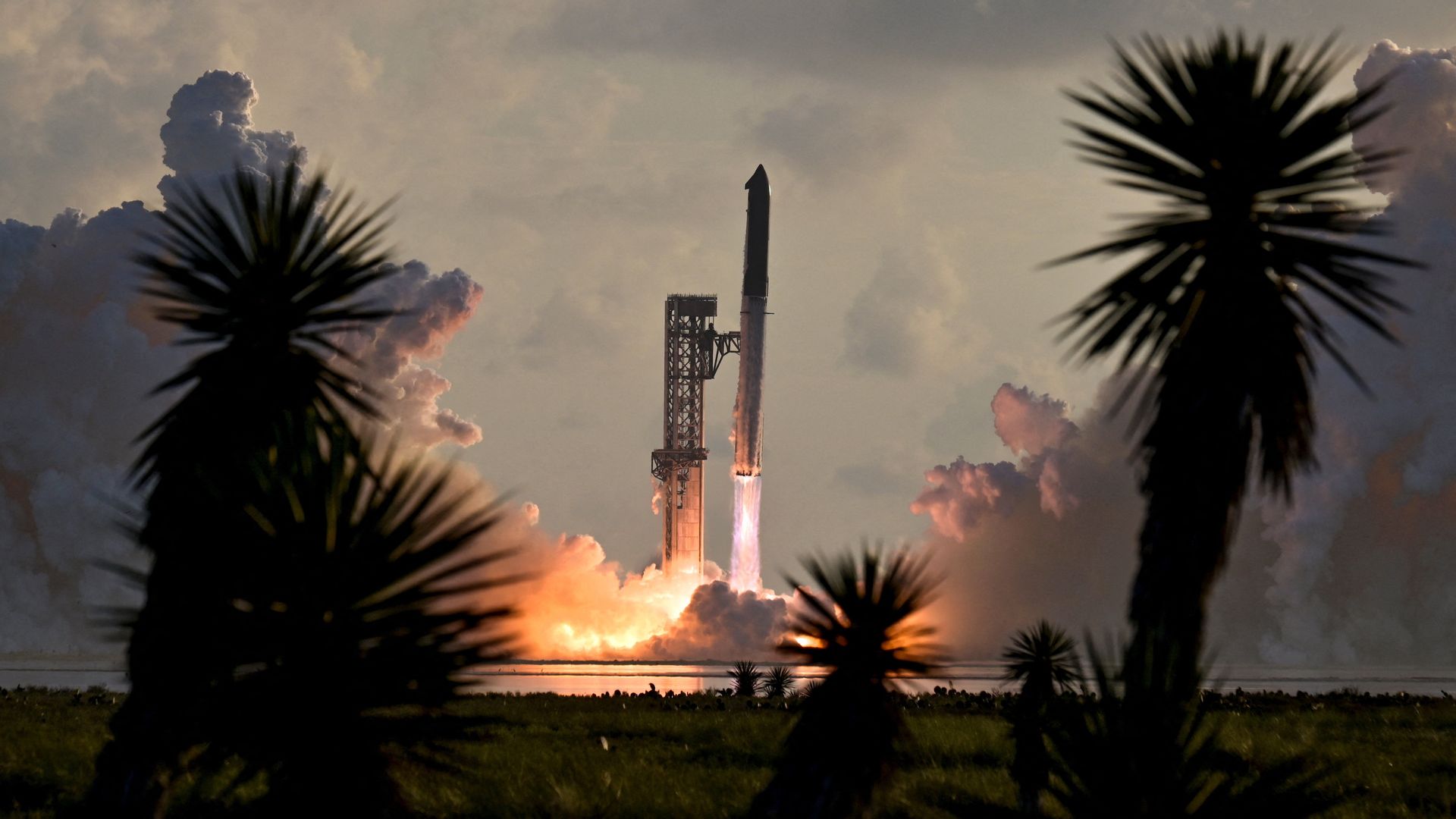
What Happened: FCC Gives Green Light to SpaceX’s Mega Constellation
In a groundbreaking move, the FCC officially authorized SpaceX to launch and operate as many as one million small satellites. This permission significantly surpasses the scale of current satellite networks, positioning SpaceX’s Starlink project to become the largest satellite constellation ever assembled. The approval reflects the agency’s confidence in SpaceX’s ability to manage such a vast fleet safely and efficiently.
SpaceX’s existing Starlink service, already operational with thousands of satellites, aims to provide high-speed, low-latency internet access worldwide, particularly in underserved and remote regions. The new authorization is a clear indication of the company’s ambition to scale this service on a massive level, potentially transforming the global telecommunications landscape.
Why It Matters: Revolutionizing Global Connectivity Through Space Data Centers
The authorization to deploy one million satellites is not merely about increasing satellite numbers but about fundamentally reshaping how data is processed and transmitted in space. SpaceX plans to use these satellites as floating data centers, creating an integrated network that can handle vast amounts of data closer to users on Earth.
This strategy could reduce latency—the delay before a transfer of data begins following an instruction—more effectively than traditional ground-based data centers. By operating data centers in space, SpaceX aims to deliver faster internet speeds and more reliable connections worldwide, including in areas currently plagued by poor infrastructure.
Experts argue that such a dense satellite network could also support emerging technologies like autonomous vehicles, telemedicine, and the Internet of Things (IoT), which require consistent, high-bandwidth connectivity. The FCC’s approval underlines the growing importance of space-based infrastructure in the digital age.
Challenges and Considerations: Managing the Largest Satellite Fleet in History
While the approval marks a significant achievement for SpaceX, deploying and managing one million satellites presents considerable challenges. Key concerns include space traffic management, collision avoidance, and the risk of increasing space debris, which could threaten other satellites and spacecraft.
The FCC’s authorization requires SpaceX to implement robust measures to mitigate these risks, including advanced collision avoidance technology and plans for deorbiting satellites at the end of their operational lives. The company’s track record with Starlink satellites, which incorporate autonomous collision avoidance systems, suggests it is prepared to address these challenges.
Moreover, the scale of this project raises regulatory questions about spectrum allocation, as thousands of satellites communicate using radio frequencies that must be managed carefully to prevent interference. The FCC’s decision reflects its assessment that SpaceX can responsibly handle these technical and regulatory complexities.
What Comes Next: The Future of Satellite Internet and Space Infrastructure
With the FCC’s authorization in place, SpaceX is poised to accelerate its satellite launches, potentially transforming the availability and quality of internet service worldwide. As the constellation grows, it will be crucial to monitor the environmental and operational impacts of such an unprecedented deployment.
Other companies and governments are closely watching this development, as it sets a new precedent for commercial space operations and satellite communications. The success or failure of SpaceX’s mega constellation could influence future regulatory decisions and industry standards for space-based data infrastructure.
In the coming years, the expansion of SpaceX’s satellite network could revolutionize how billions of people access information, work remotely, and connect globally—ushering in a new era of ubiquitous, high-speed connectivity powered from orbit.
Takeaway: A Bold Leap Toward a Connected Future
The FCC’s decision to authorize SpaceX to launch one million satellites marks a pivotal moment in space and telecommunications history. It signals a bold leap toward a future where space-based data centers and satellite constellations play a central role in global connectivity. While challenges remain, this move paves the way for innovative solutions to bridge the digital divide and support the expanding demands of a hyper-connected world.