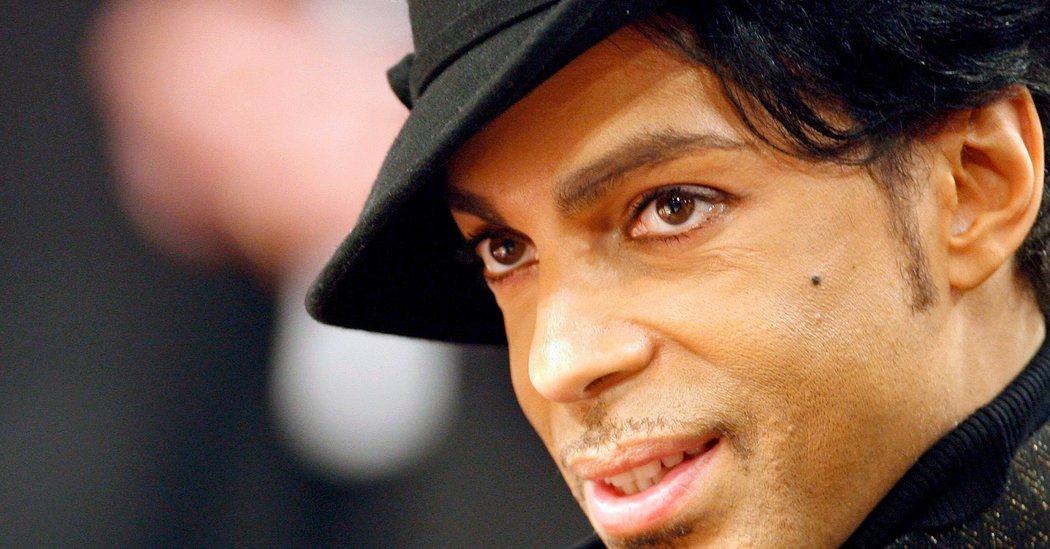
The music world has lost one of its most brilliant and boundary-defying talents with the death of Prince Rogers Nelson at the age of 57. The iconic musician, whose influence spanned rock, pop, funk, and R&B, passed away at his famed Paisley Park estate in Chanhassen, Minnesota, leaving behind an unparalleled legacy of innovation and artistry that reshaped modern music.
What Happened at Paisley Park
On the morning of April 21, 2016, local authorities were called to Paisley Park Studios following reports of a medical emergency. Carver County Sheriff’s Office deputies arrived to find Prince unresponsive in an elevator. Despite immediate lifesaving efforts, including CPR administered by first responders, he was pronounced dead at 10:07 a.m. The circumstances of his death prompted an ongoing investigation involving multiple law enforcement and medical examiner offices, with an autopsy scheduled shortly thereafter to determine the cause.
In the weeks leading up to his passing, Prince had been battling health issues. He canceled several dates of his “Piano and a Microphone” tour in early April due to the flu. Additionally, just a week prior, his private plane made an emergency landing in Moline, Illinois, where he was briefly hospitalized for dehydration and flu-like symptoms before returning home to Minneapolis to recover. These health setbacks contrasted sharply with the energetic and prolific artist the public had come to admire over nearly four decades.
__IMAGE_PLACEHOLDER_1__
Prince’s Unmatched Career and Cultural Impact
A Prodigy from Minneapolis
Born on June 7, 1958, in Minneapolis, Minnesota, Prince Rogers Nelson was destined for musical greatness from the start. His father, John L. Nelson, led a jazz band, and his mother, Mattie, was a vocalist. Immersed in music from childhood, Prince taught himself piano at seven, picked up guitar by 13, and mastered drums at 14. By 18, he had recorded a demo that caught the attention of local businessman Owen Husney, leading to a groundbreaking recording contract with Warner Bros. Records in 1978. This contract granted Prince an extraordinary level of creative control, rare for such a young artist.
Revolutionizing Pop, Rock, and Funk
Prince exploded onto the music scene with his debut album For You and quickly followed with his self-titled sophomore release, which featured his breakthrough hit “I Wanna Be Your Lover.” His early work was characterized by a fearless approach to blending musical genres and exploring provocative themes of sexuality and identity. Albums like Dirty Mind and Controversy pushed boundaries with explicit lyrics and androgynous imagery, challenging the conservative norms of the early 1980s music industry.
The release of 1999 in 1982 catapulted Prince to superstardom. The album featured a series of crossover hits including “Little Red Corvette” and the title track “1999,” which became anthems of a generation. Prince’s innovative music videos also helped break racial barriers on MTV, establishing him as a mainstream force.
Purple Rain and Cinematic Stardom
Prince’s 1984 album Purple Rain remains a cultural touchstone, combining electrifying guitar solos with soulful ballads. The album’s success was amplified by the release of the accompanying film, which dramatized Prince’s rise in the Minneapolis music scene. Songs like “When Doves Cry,” “Let’s Go Crazy,” and “Purple Rain” itself topped charts and earned widespread critical acclaim. His performance in the film cemented his status as a multi-talented artist capable of transcending mediums.
During this period, Prince also began producing and writing for other artists, forming the groundbreaking female trio Vanity 6 and the funk-driven group The Time. His influence extended beyond his own albums, shaping the sound and style of many contemporaries.
__IMAGE_PLACEHOLDER_2__
Continued Innovation and Industry Defiance
Throughout the late 1980s and 1990s, Prince consistently reinvented himself. He challenged the music industry’s norms by changing his name to an unpronounceable symbol in protest against his record label’s control. This period saw him embrace funk, hip-hop, and more experimental sounds with albums like Sign ‘O’ the Times, Diamonds and Pearls, and the self-titled “Love Symbol” album.
Prince’s fierce independence also manifested in his unique distribution methods. He pioneered the concept of including albums with concert tickets and staged surprise, “hit and run” shows to keep fans engaged. Despite conflicts with record labels, he maintained a prolific output, often releasing multiple albums in a single year and exploring diverse musical styles.
Why Prince’s Legacy Endures
Prince’s death marked the end of an era, but his impact remains vibrant. He was more than just a musician; he was a cultural phenomenon who redefined artistic freedom and expression. His fearless fusion of genres, boundary-pushing lyrics, and virtuosic performances inspired countless artists across generations.
His work not only transformed popular music but also influenced fashion, music video production, and concert performance aesthetics. Prince’s insistence on owning his music and controlling his image paved the way for future artists to demand greater autonomy in the industry.
Moreover, Prince’s philanthropic efforts and advocacy for artists’ rights continue to resonate. His plans to publish memoirs, titled The Beautiful Ones, suggested a desire to share insights into his creative process and life story, promising to inspire even after his passing.
__IMAGE_PLACEHOLDER_3__
Looking Forward: The Enduring Power of Prince’s Artistry
As the world reflects on Prince’s extraordinary career, it becomes clear that his influence transcends mere chart success or awards. His fearless exploration of identity, sexuality, and musical boundaries challenged societal norms and expanded the possibilities of popular music.
Prince’s death leaves a void, but his vast catalog of work, spanning hundreds of songs, multiple groundbreaking albums, and unforgettable performances, ensures that his spirit will continue to inspire artists and fans alike. Paisley Park remains a symbol of his creative genius, a sanctuary where a musical legend crafted sounds that will echo for decades.
In remembering Prince, we honor a visionary who transformed the landscape of music and culture, proving that true artistry knows no limits.