Kerala faces one of its deadliest natural disasters in recent years as landslides triggered by relentless rains have claimed over 166 lives, with more than 192 people still unaccounted for. This devastating event has unleashed torrents of mud and water that swept through the southern Indian state, leaving destruction and heartbreak in their wake.
Unfolding of the Disaster
In the early hours of Tuesday morning, heavy monsoon rains unleashed thick torrents of mud and water across the Wayanad district, particularly devastating the Mundakkai and Chooralmala regions. These areas, known for their lush tea and cardamom plantations, were transformed into scenes of chaos as the landslides flattened homes, uprooted trees, and washed away infrastructure critical to the community’s connectivity and livelihood.
Local residents were caught off-guard, many asleep when the deluge struck, which compounded the death toll. The suddenness and ferocity of the landslides left scant time for warning or evacuation, resulting in significant loss of life and widespread destruction of property. The disaster represents the worst calamity to hit Kerala since the catastrophic floods of 2018, which claimed more than 400 lives.
Rescue operations immediately commenced, with teams searching desperately beneath collapsed roofs and debris for survivors. However, the ongoing heavy rainfall has severely hampered these efforts, making access to remote and rugged terrain extremely challenging. Key bridges connecting isolated communities have been destroyed, further complicating relief missions.
__IMAGE_PLACEHOLDER_1__
Coordinated Rescue and Relief Efforts
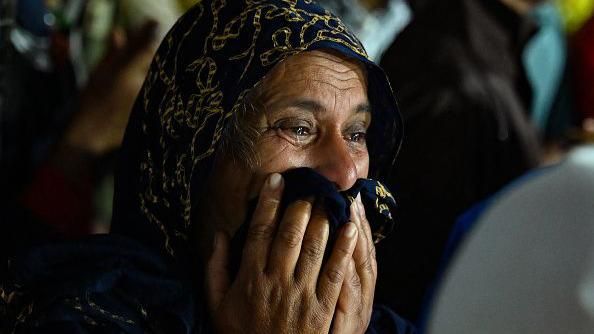
More than 3,000 individuals have been rescued and relocated to 45 relief camps established across the affected region. Many of those still missing are plantation workers and migrant laborers, groups often living in vulnerable conditions within these estates. Their disappearance has raised concerns about the full extent of the disaster.
The rescue operations are a joint effort involving the Indian Army, Navy, Air Force, and the National Disaster Response Force (NDRF), alongside local police and fire departments. In the challenging environment of Chooralmala, for instance, army personnel undertook daring rope rappelling missions across swollen rivers to reach isolated victims.
Despite the deployment of these extensive resources, the combination of continuous rainfall and treacherous topography remains a formidable obstacle, slowing progress and increasing risks for both survivors and rescuers.
__IMAGE_PLACEHOLDER_2__
Political Response and Wider Implications
Kerala’s Chief Minister, Pinarayi Vijayan, has highlighted the tragic circumstances that led to the high number of casualties, emphasizing that many victims were caught unawares in their sleep. This has sparked calls for improved early warning systems and disaster preparedness, especially in vulnerable hilly regions prone to landslides during monsoon seasons.
The severity of the disaster has also drawn attention at the national level. Opposition members of parliament have urged the government to officially declare the landslides a national disaster, a designation that would unlock additional resources and funding for relief and rehabilitation efforts.
Rahul Gandhi, a prominent opposition leader and former MP representing Wayanad district, had planned a visit to the affected areas. However, he canceled his trip due to warnings about incessant rains and dangerous weather conditions, underscoring the ongoing risks faced by those on the ground.
The landslides in Kerala expose broader challenges related to climate change, land management, and urbanization in ecologically sensitive zones. The heavy monsoon rains are a recurring phenomenon in this region, but increasing intensity and unpredictability may reflect changing weather patterns that demand urgent attention.
What This Means Moving Forward
This tragic event serves as a stark reminder of the vulnerability of communities living in mountainous and plantation areas during monsoon seasons. It highlights the critical importance of investing in resilient infrastructure, effective early warning systems, and rapid response capabilities to mitigate the human and economic toll of natural disasters.
Furthermore, the disruption of transport links and communication networks during such disasters reveals the need for contingency planning and alternative access routes to ensure timely humanitarian assistance reaches those in need.
As Kerala begins the arduous process of recovery and rebuilding, the focus will likely turn to long-term strategies that address environmental sustainability and disaster risk reduction. The collaboration between state authorities, national agencies, and community stakeholders will be vital to enhancing preparedness and safeguarding lives against future calamities.
The current rescue efforts continue with urgency and determination, but the road ahead remains difficult for survivors and families affected by this catastrophe. The resilience of Kerala’s people will be tested, and the lessons learned here could inform disaster management practices across other vulnerable regions of India and beyond.