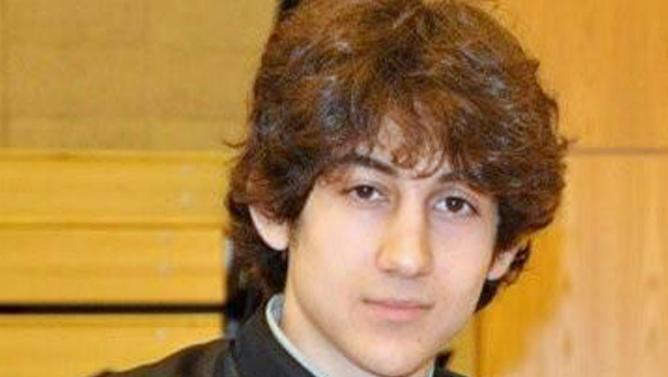
The decision to pursue the death penalty against Dzhokhar Tsarnaev marks a pivotal moment in the aftermath of the Boston Marathon bombing, signaling the federal government’s firm stance on terrorism and justice for the victims. At just 20 years old, Tsarnaev faces the gravest of consequences for his alleged role in one of the most devastating attacks on American soil in recent history. The Boston Marathon bombing not only shocked the city but reverberated across the nation, leaving a profound impact on the collective consciousness of Americans.
The Charges and Legal Proceedings Against Dzhokhar Tsarnaev
Dzhokhar Tsarnaev stands accused of participating in the planning and execution of the April 15 bombing that killed three innocent people and injured more than 260 others. Among the 30 federal charges brought against him, 17 carry the possibility of the death penalty. These include particularly severe accusations such as using a weapon of mass destruction with intent to kill.
The decision to seek capital punishment was made by US Attorney General Eric Holder, who reviewed the case closely before announcing the government’s position. Holder stated, “After consideration of the relevant facts, the applicable regulations and the submissions made by the defendant’s counsel, I have determined that the United States will seek the death penalty in this matter.” He emphasized that “the nature of the conduct at issue and the resultant harm compel this decision.”
Dzhokhar has pleaded not guilty to all charges. Despite the gravity of the case, a trial date has yet to be set, underscoring the complexity and high stakes involved in prosecuting such a landmark terrorism case.

Background: The Boston Marathon Bombing and Its Aftermath
The bombing occurred near the marathon’s finish line, a place traditionally filled with jubilation as runners crossed the end point and crowds gathered to celebrate the event. The attack shattered this atmosphere of joy and unity. Investigators allege that Dzhokhar and his older brother, Tamerlan Tsarnaev, aged 26 at the time, constructed and planted two pressure cooker bombs as an act of retaliation against US military actions in Muslim countries.
The elder Tsarnaev died in a dramatic shoot-out with police during a desperate attempt to flee, while Dzhokhar was wounded but managed to escape on foot. His flight ended when law enforcement found him hiding inside a boat parked in a suburban Boston yard. Authorities later revealed that Dzhokhar had written about his motivations for the bombing on the inside of the boat, providing chilling insight into his mindset.

The bombing claimed the lives of three victims: eight-year-old Martin Richard, 29-year-old Krystle Campbell, and 23-year-old Lu Lingzi. Their deaths devastated families and communities, becoming a symbol of innocent lives caught in the crossfire of extremist violence.
In addition to the bombings, Tsarnaev faces charges related to the shooting death of an MIT police officer and the carjacking of a motorist during the brothers’ attempt to evade capture. These additional crimes further illustrate the violent and desperate nature of their actions in the immediate aftermath of the attack.
Why the Death Penalty Matters in This Case
The federal government’s decision to seek the death penalty in this case highlights the seriousness with which the nation treats acts of terrorism. The use of a weapon of mass destruction in a public event that targeted civilians marks a particularly heinous offense against the safety and security of the American people.
Prosecutors view the death penalty as a necessary tool to ensure justice for the victims and to send a clear deterrent message to others who might consider similar attacks. The Boston Marathon bombing was not only an assault on individuals but an attack on the values of freedom and community that public events like the marathon embody.
Beyond the courtroom, this decision reflects ongoing national debates about capital punishment, terrorism, and the balance between security and civil liberties. While some advocate for the harshest penalties in cases of terrorism, others question the morality and efficacy of the death penalty. This case will inevitably play a role in that broader discourse.
Looking Ahead: The Trial and Its Implications
As preparations for trial continue, the nation remains focused on the proceedings that will determine Dzhokhar Tsarnaev’s fate. The upcoming trial will not only assess his guilt or innocence but also wrestle with the complex emotions and legal questions surrounding acts of terrorism on American soil.
The families of the victims, survivors, and the broader public await a resolution that will provide justice and closure. Meanwhile, law enforcement agencies and policymakers will continue to analyze the case’s lessons to enhance security measures and prevent future tragedies.
Ultimately, this case stands as a somber reminder of the profound consequences of extremist violence and the enduring quest for justice in its aftermath.