Millions of voters across the United Kingdom will head to the polls on Thursday, 7 May 2026, for a pivotal series of elections that will shape governance at multiple levels. These elections represent the most significant democratic exercise since the 2024 general election, involving local councils and mayoral races in England, and parliamentary contests in Scotland and Wales. In contrast, Northern Ireland’s local council and Assembly elections are scheduled for 2027, keeping the focus on Great Britain this May.
England’s Local Elections: A Last-Minute Reinstatement
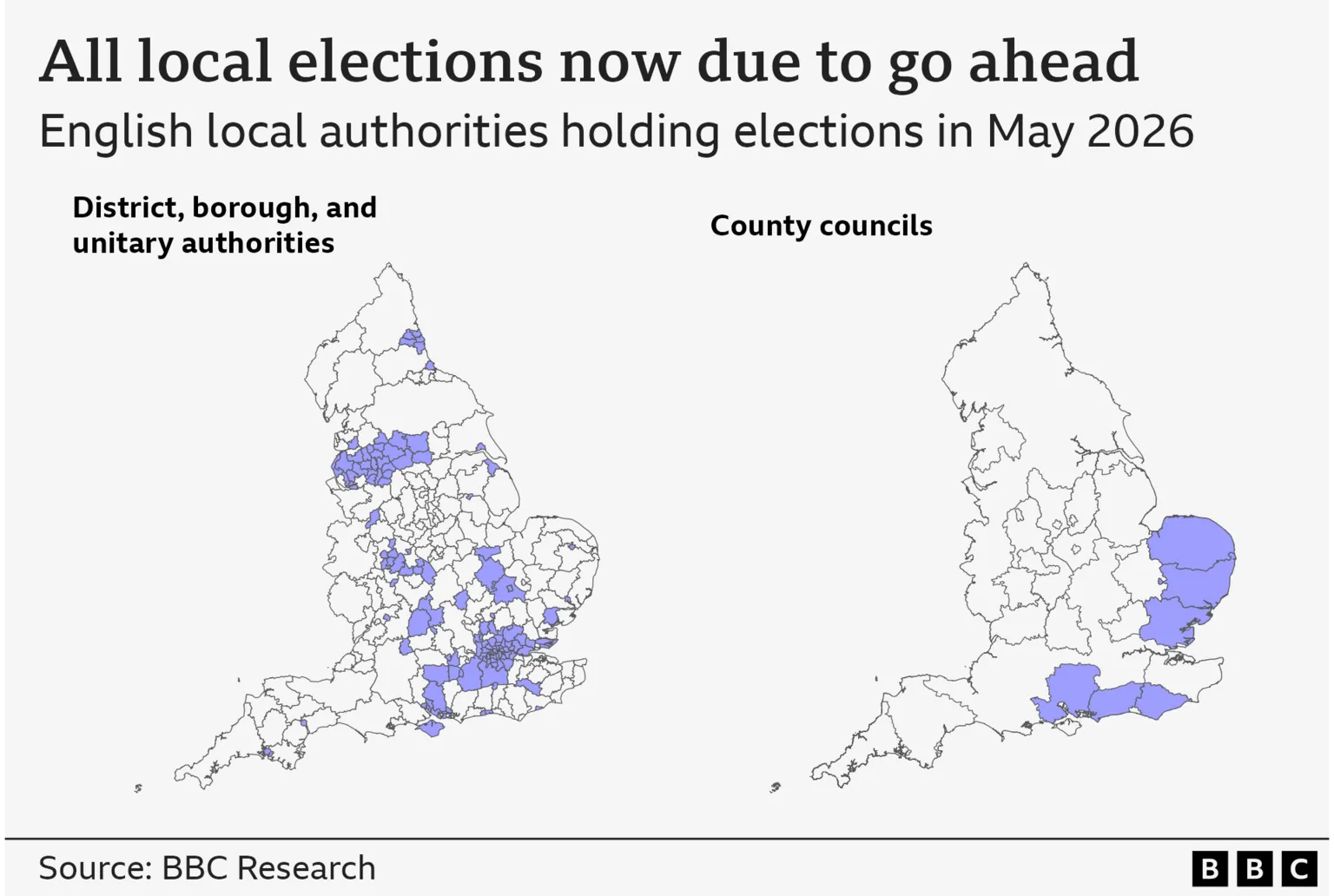
In England, approximately 5,000 council seats across 136 local authorities will be contested, following a government reversal on previously planned election delays. Initially, elections in 30 councils were postponed until 2027 as part of a broader local government restructuring effort to replace the two-tier system of district and county councils with streamlined “unitary” authorities.
This U-turn came after legal advice and a challenge from Reform UK, forcing ministers to confirm that elections in these areas will proceed on 7 May. Election officials have cautioned that preparations will be challenging, describing the situation as an “uphill struggle” to ensure smooth administration on such short notice.
Alongside council elections, six mayoral contests will take place in Croydon, Hackney, Lewisham, Newham, Tower Hamlets, and Watford. However, mayoral elections in Cumbria and Cheshire & Warrington remain deferred until 2027, with others like Greater Essex and Sussex postponed further to 2028.
The local elections operate under the “first past the post” system, where voters cast one vote per available seat in wards or divisions. Candidates with the highest votes win, determining who controls local services such as elderly care, housing, education, and waste management. Many councils currently grapple with funding crises, leading to service cuts and council tax increases, underscoring the importance of these elections for residents’ daily lives.
Scotland’s Parliament Election: Deciding the Nation’s Direction
Scotland will hold its Scottish Parliament election on 7 May, where all 129 Members of the Scottish Parliament (MSPs) will be elected. This election is crucial as the Scottish Parliament holds responsibility over vital policy areas including health, education, housing, policing, and aspects of taxation.
The electoral system combines first past the post and proportional representation. Voters receive two ballots: one to elect a constituency MSP directly, and another to elect regional MSPs through party lists. The regional seats balance the overall results to better reflect vote shares, ensuring smaller parties have representation.
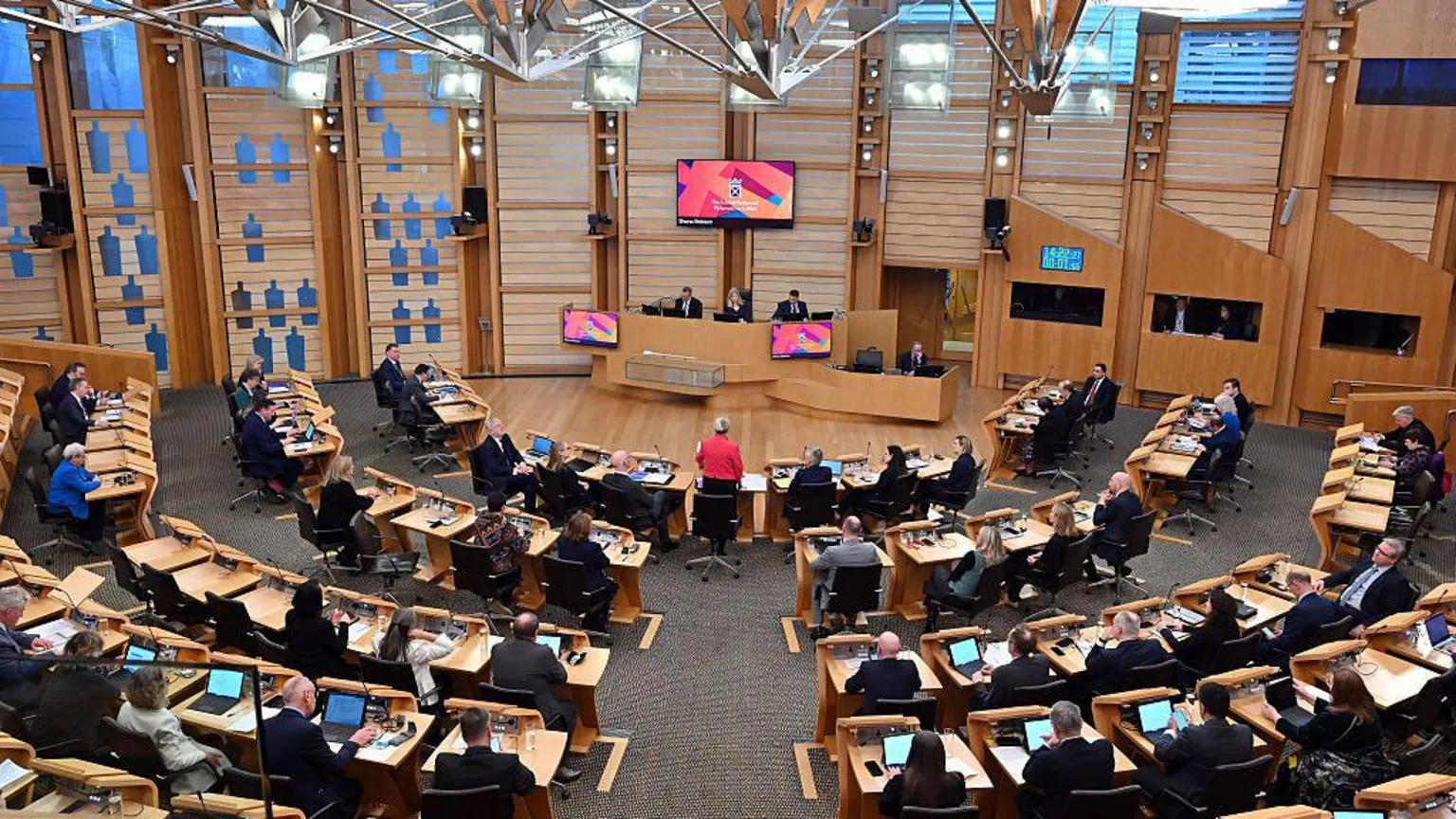
The party with the most MSPs typically forms the government, with its leader becoming the First Minister. Since its establishment in 1999, the Scottish Parliament has expanded its remit beyond legal and educational matters to a wide array of devolved powers, shaping Scotland’s unique political landscape. Key issues dominating voter interest include healthcare, the economy, and the ongoing debate over Scottish independence, which remains a defining political fault line.
Wales’ Senedd Election: A Historic Expansion
Wales will hold its Senedd election simultaneously, marking the biggest transformation since the parliament’s inception in 1999. The number of Members of the Senedd (MSs) will rise dramatically from 60 to 96, elected from 16 newly designed constituencies. This change aims to enhance representation and better reflect Wales’s diverse communities.
Unlike Scotland’s mixed system, Wales uses a proportional representation approach where voters select a party or independent candidate, and seats are allocated based on vote share. The expanded parliament will make it even less likely for any single party to secure an outright majority, continuing a tradition of coalition or minority governments.

The Senedd holds significant powers over health, education, transport, agriculture, and some taxation. The election outcome will determine the leadership and policy trajectory for Wales amid challenges such as economic development and public service funding.
Voting Logistics: How and Who Can Vote
Voters in England, Scotland, and Wales can participate in these elections in three primary ways: in person at polling stations on election day from 7 am to 10 pm BST, by postal vote, or by appointing a proxy to vote on their behalf. The voting age varies: 18+ for local elections in England, and 16+ for Scottish Parliament and Senedd elections.
Eligibility requires registration at a local address and citizenship as British, Irish, or qualifying foreign nationals, with specific rules depending on the election and voter’s nationality. Notably, some areas in England—Milton Keynes, Cambridge, North Hertfordshire, and Tunbridge Wells—are piloting extended in-person voting options at multiple locations in the days leading up to 7 May, aiming to boost turnout and accessibility.
England’s local elections will require valid photo identification at polling stations, such as a passport or driving licence, with provisions for free voter authority certificates for those lacking acceptable ID. Scotland and Wales do not require ID for in-person voting.
Voter registration closes at 11:59 pm BST on Monday, 20 April. Postal vote applications must be submitted by 5 pm on Tuesday, 21 April, while proxy vote requests close at 5 pm on Tuesday, 28 April. These deadlines ensure electoral rolls are accurate and voting processes orderly.
Why These Elections Matter
The May 2026 elections across England, Scotland, and Wales are far more than routine democratic exercises. They will directly influence local governance, public services, and broader political dynamics. In England, the reinstated local elections signal a critical moment in local government reform, with millions of residents deciding who manages essential services amid financial pressures.
In Scotland and Wales, the elections will shape devolved governments’ policy agendas on health, education, infrastructure, and social welfare, affecting millions daily. Moreover, in Scotland, the election outcome will impact the ongoing debate over independence, a defining issue of UK politics.
Understanding the voting systems, registration requirements, and logistical changes is vital for voters to exercise their rights effectively. These elections offer a pivotal opportunity for citizens to influence the future direction of their communities and nations.