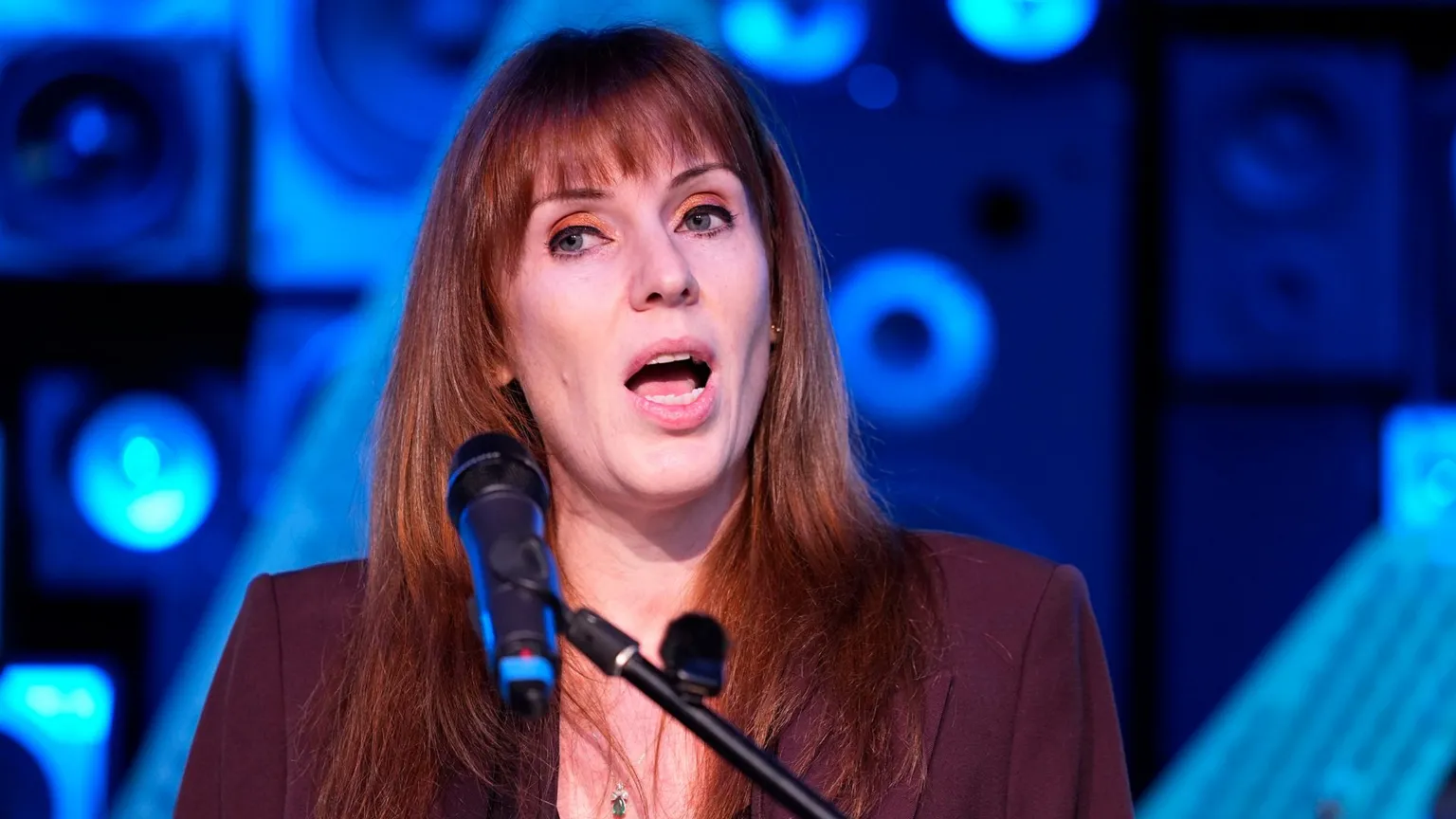
Angela Rayner, the former deputy prime minister and influential Labour figure, delivered a striking and uncompromising speech that has reignited speculation about her ambitions to challenge Sir Keir Starmer for the party leadership. Speaking to a group of Labour activists in a Westminster pub, Rayner laid out a sharp critique of the current leadership, signaling deep frustration within the party’s ranks less than two years after a decisive general election win.
What Happened: A Candid Critique From Within
Rayner’s 1,500-word address was meticulously scripted but carried the raw energy of someone fed up with what she perceives as Labour’s lackluster performance in government. Without naming Starmer directly, she painted a picture of a party struggling to connect with its core supporters and accused the government of appearing to represent the establishment rather than working people.
She warned ominously that Labour is “running out of time,” a phrase loaded with urgency given the party’s recent electoral success. Rayner argued that the party’s survival, both as a political force and a movement, is at stake if it continues on its current trajectory. “We cannot hide, we cannot go through the motions in the face of decline,” she insisted.
Drawing on Labour’s history, Rayner echoed themes from Gordon Brown’s 2003 call for boldness, implying that Labour must reclaim its left-wing roots to truly inspire voters. This appeal to boldness is widely interpreted as a call for a more progressive, left-leaning agenda, signaling a clear alternative vision to Starmer’s more centrist approach.
Inside Labour: Aligning With the Left and Challenging the Status Quo
Rayner delivered her speech to the Mainstream group, a relatively new faction within Labour associated with Andy Burnham, the Mayor of Greater Manchester. Mainstream advocates for “a popular Left with heart and vision,” implicitly critiquing the current government’s direction and pushing for a Labour Party that reconnects with its working-class roots.
However, Mainstream’s flirtation with the hard left has drawn criticism from Labour’s right wing, who accuse it of fostering factionalism—a charge one MP sarcastically dismissed as ironic given the group’s stated goals.
Central to Rayner’s sharp critique was her opposition to the government’s proposed immigration reforms, specifically Home Secretary Shabana Mahmood’s plan to restrict indefinite leave to remain. Some Labour MPs privately expressed surprise at Rayner’s stance, as the policy has been controversial within the party.
Indefinite leave to remain grants individuals the right to live, work, and study indefinitely in the UK and access benefits if eligible. Critics worry that the large number of such permits issued under Boris Johnson’s premiership has fueled support for populist parties like Reform UK. Yet Rayner’s opposition aligns her with the party’s soft left, aiming to solidify support among MPs who view strict immigration measures as un-British and harmful to Labour’s traditional base.
Leadership Ambitions and Tax Troubles
Despite her growing profile, Rayner faces obstacles ahead of any leadership bid. Unresolved issues concerning her tax affairs, which contributed to her cabinet departure last autumn, raise questions among MPs about her viability as a leader. These tax matters occasionally emerge as voter grievances on the doorstep, compounding public frustration with Labour’s government.
Her speech arrives just as the leadership debate appeared to have quieted, thanks in part to Starmer’s handling of international crises such as the war in Iran, which won him parliamentary support. Yet Rayner’s intervention has shattered that fragile calm, suggesting a potential leadership contest could be looming once again.
Why It Matters: Labour’s Future at a Crossroads
Rayner’s call for boldness and her critiques of the current government reflect a deeper tension within Labour about its identity and direction. The party’s electoral success has not quelled internal debates about how to balance pragmatism with principle, or how to reconnect with voters alienated by perceived establishment politics.
Her positioning against immigration reforms and her appeal to Labour’s left wing may energize a significant faction within the party but risks alienating more moderate supporters. The unresolved tax issues and questions about her leadership readiness add complexity to the dynamics playing out behind the scenes.
As Labour navigates these internal challenges, Rayner’s speech serves as a stark reminder that unity remains elusive. The party faces a crucial choice: to embrace a bolder, more progressive agenda or continue with Starmer’s centrist course. The outcome will shape not only Labour’s political fortunes but also its ability to effectively represent the working people it claims to champion.

Looking Ahead: A Leadership Battle on the Horizon?
Angela Rayner’s searing critique has sparked fresh speculation that she may soon declare a leadership challenge. Whether she can consolidate enough support remains uncertain, especially with the tax issues unresolved and the divided opinions within the Parliamentary Labour Party.
Downing Street has declined to comment on Rayner’s remarks, but the coming weeks promise intense political drama as Labour grapples with its future direction. The party’s leadership choices will have profound implications for British politics, especially as it seeks to maintain momentum and address the pressing concerns of working-class voters.
For Labour supporters and political observers alike, Rayner’s speech marks a pivotal moment—a call to boldness that could redefine the party’s trajectory or deepen its internal divides.