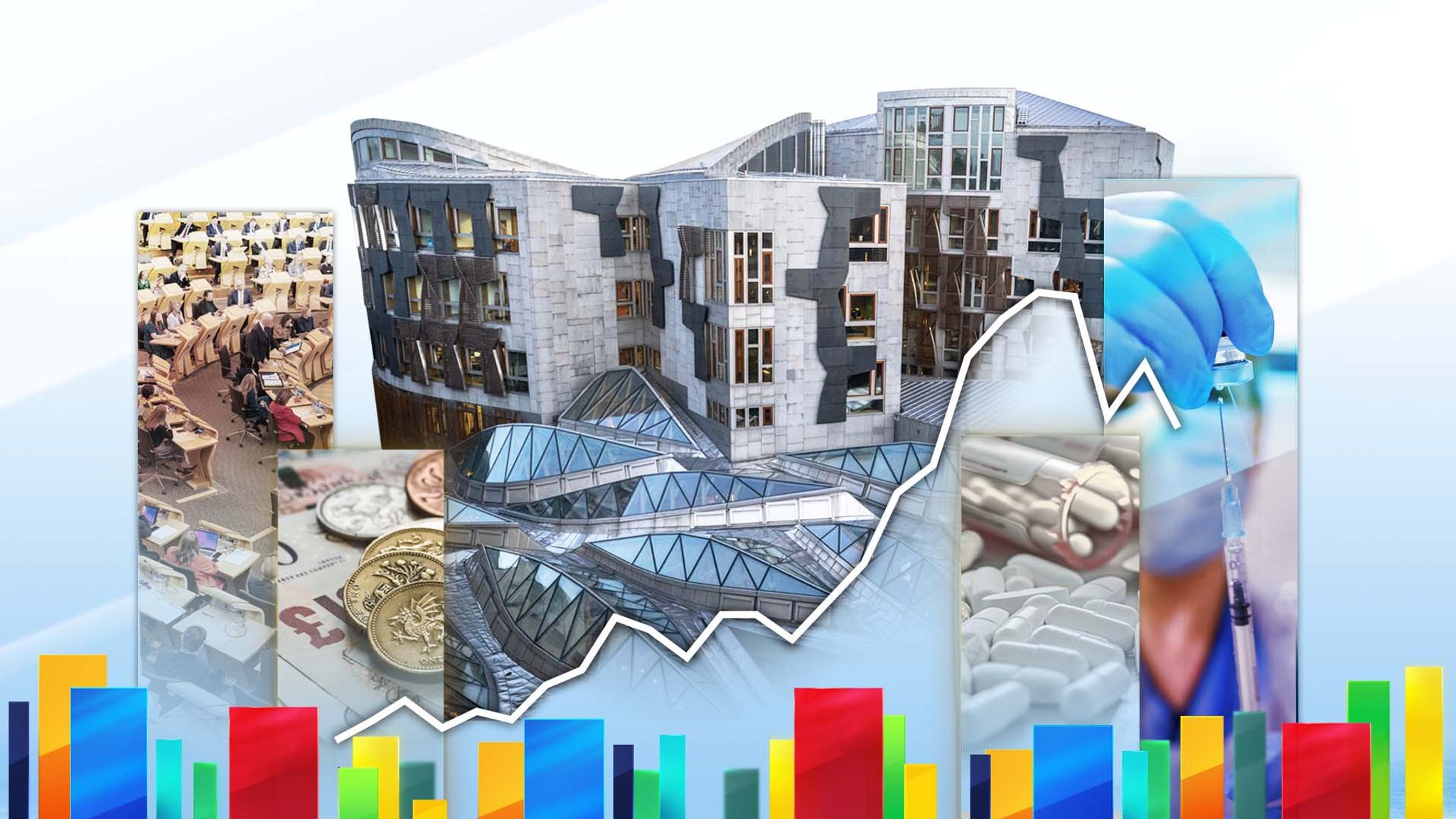
With the 2026 Scottish Parliament election rapidly approaching on 7 May, political tensions and public scrutiny intensify. After nearly two decades of dominance, the Scottish National Party (SNP) remains the party to beat. Yet, voters across Scotland are vocalizing pressing demands for the next government’s agenda. To capture the mood, we engaged with residents of Clackmannanshire, affectionately known as the “Wee County,” whose views often mirror those of the wider Scottish electorate.
What Voters Want: Key Challenges Ahead
Alleviating the Cost of Living Crisis
Scotland’s households are still reeling from the prolonged cost-of-living crisis sparked by the COVID-19 pandemic and exacerbated by ongoing global conflicts. Citizens report soaring expenses on essentials like food, energy, and fuel, squeezing family budgets tighter than ever.
Jackie Conroy and Karen McInroy, employees at the Coalsnaughton Post Office and Premier store, highlight the relentless rise in prices. McInroy laments, “Everything is getting dearer and dearer. Even wage increases don’t keep pace with rising costs. Something needs to be done.”
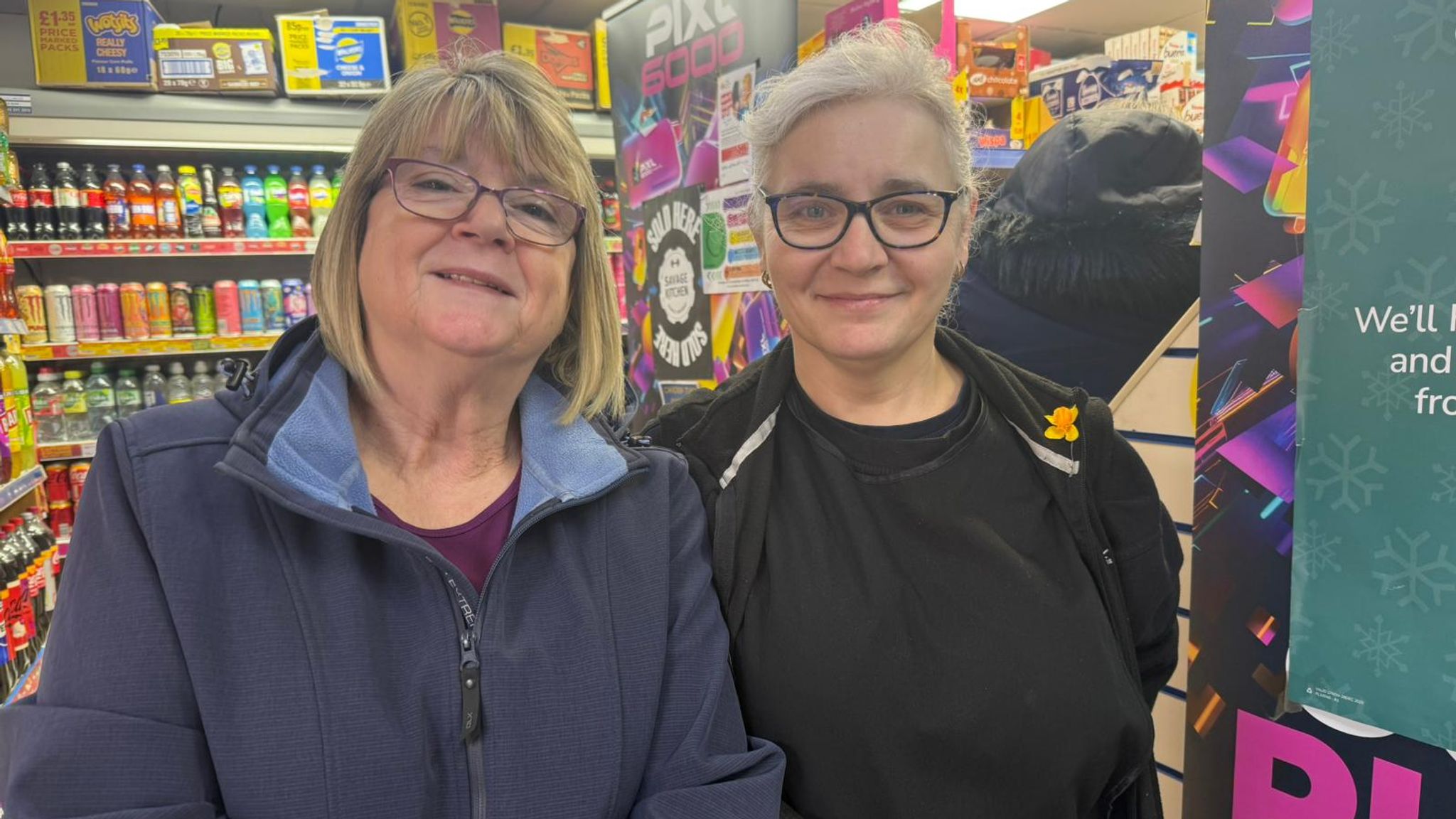
Adding to their worries, geopolitical tensions—especially the Ukraine-Russia war and conflicts in the Middle East—have spiked fuel prices, impacting everyday commutes. McInroy fears that a looming fuel shortage could jeopardize her ability to get to work.
Couple Liz and Grant Gillespie agree that the financial squeeze has forced them to reconsider discretionary spending like dining out and cinema trips. Grant notes, “Everything is tightening. Some people just can’t afford these things anymore.”

Revitalizing Scotland’s NHS
The National Health Service (NHS) in Scotland faces persistent challenges including extended A&E delays and long wait times for surgeries. In response, the government has initiated GP walk-in clinics, with 16 centres planned nationwide to bolster primary care access.
Campaigner Linda McLeod, who suffers from emphysema, stresses the urgent need for increased investment in lung health. She asserts, “Lung disease kills tens of thousands annually but remains underfunded and overlooked. The next government must focus on early diagnosis, treatment, and self-management.”

As chair of Breathe Easy Clackmannanshire, affiliated with Asthma + Lung UK, McLeod also voices concerns about vaping’s impact on lung health and advocates for a tobacco-free Scotland. She hopes to rejoin the next government’s cross-party lung health group to push these reforms.

Beyond respiratory care, many voters call for increased funding to recruit and retain healthcare workers and expand mental health services. While immigration policy remains under Westminster’s jurisdiction, some voters urge Holyrood to address its impact on NHS resources, voicing frustration at perceived inequities in service access.
Ending Scotland’s Drug Deaths Crisis
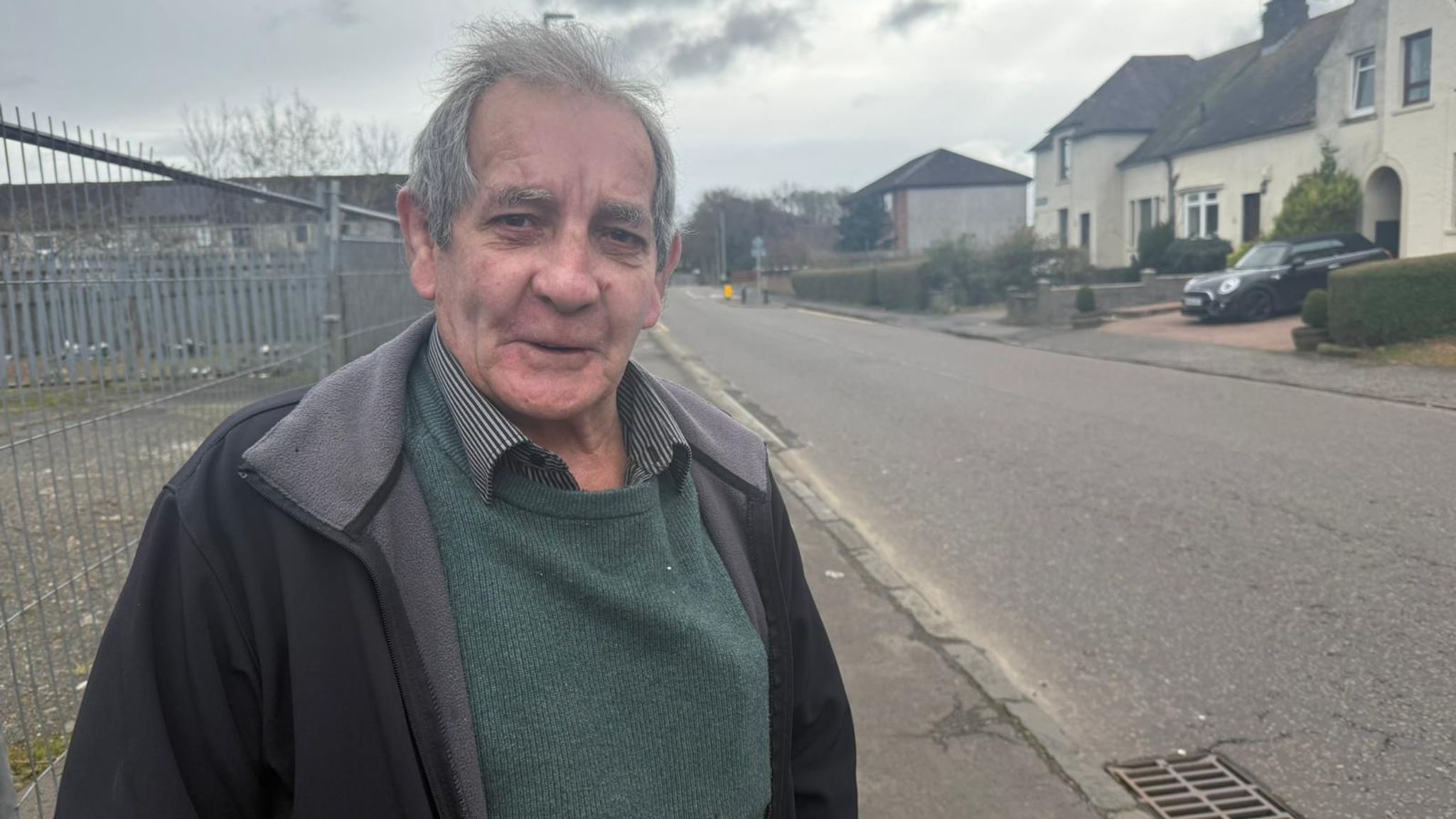
Despite a 13% decline in drug-related deaths in 2024, Scotland remains Europe’s drug death capital, with over 1,000 fatalities recorded. Peter Fisher calls it a “national emergency” and a “shame,” emphasizing the government’s responsibility to enhance addiction treatment and support services.
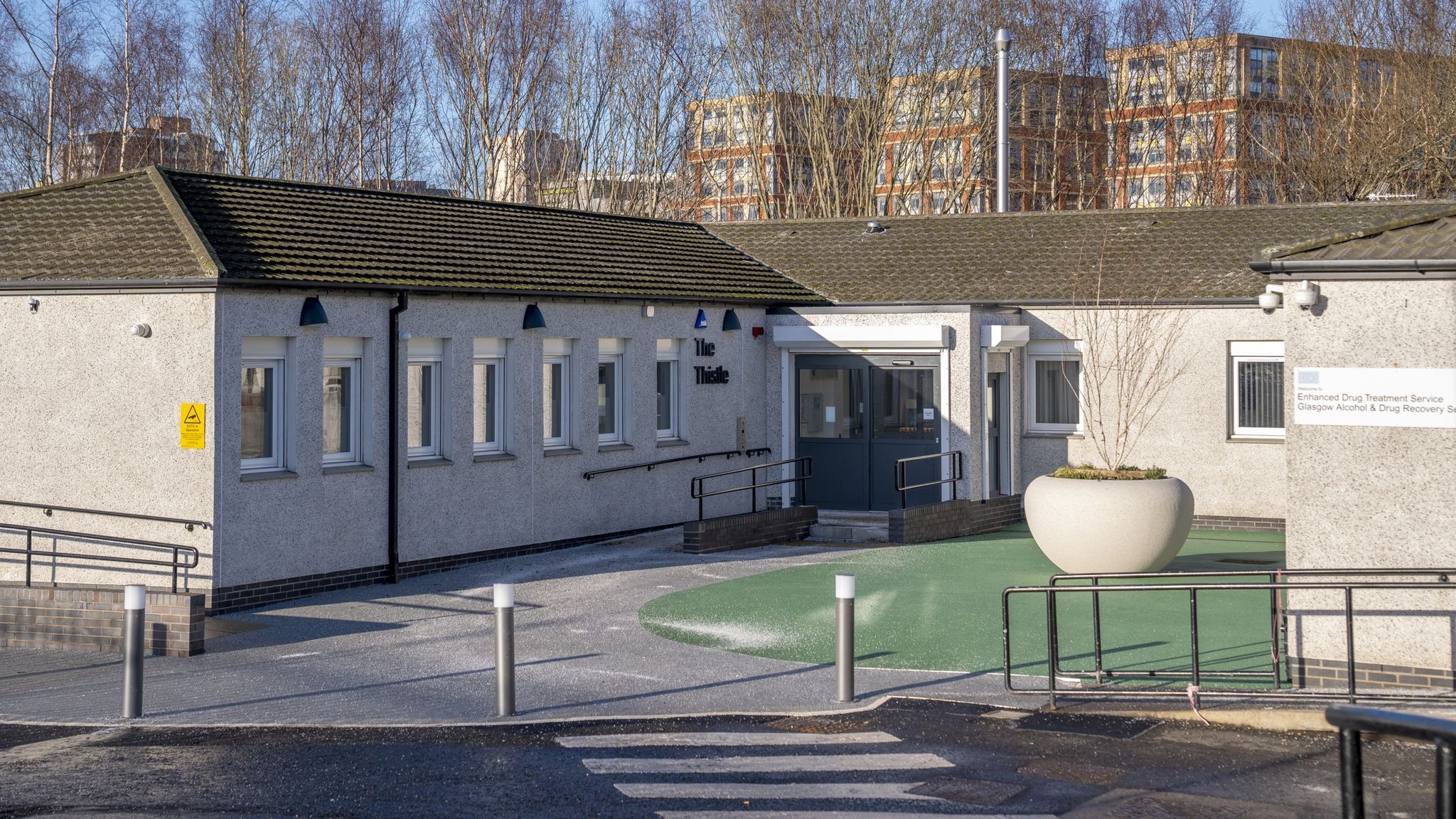
The Thistle, the UK’s first supervised drug consumption facility, opened in January 2025 in Glasgow’s Hunter Street Health Centre. It has provided a safe space for 671 users, overseeing over 10,000 injections and responding to 137 medical emergencies, funded by up to £2.3 million annually from Holyrood.
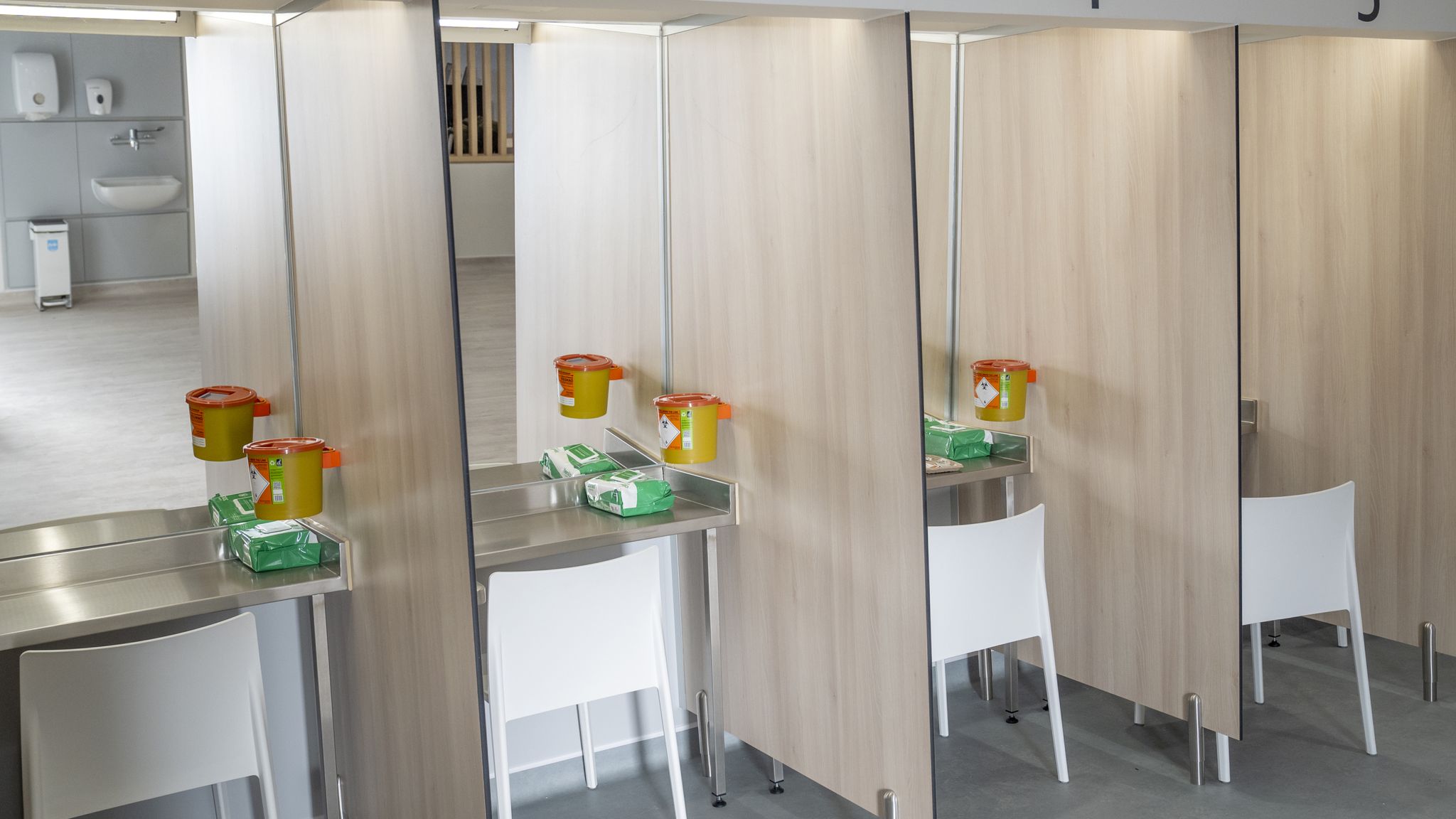
While initial data shows promise, critics caution the facility is not a catch-all solution. Plans are underway to establish a similar service in Edinburgh, alongside a new Alcohol and Drugs Strategic Plan (2026-2035) focused on harm prevention and recovery promotion.
Last year, a proposed Right to Recovery (Scotland) Bill aiming to guarantee drug addiction treatment was rejected over concerns about costs and resource strain. Fisher supports the supervised consumption model but stresses the need for alternative strategies if it falls short.
Political Accountability and Persistent Issues
Scrutiny Over Public Spending
Public discontent extends to perceived wasteful spending by politicians and public bodies. Voters criticize MSPs for treating taxpayers’ money as “Monopoly money,” citing excessive expenses such as lavish gifts and trips. Alex McEwan urges government agencies to tighten their budgets and respect taxpayers’ contributions.
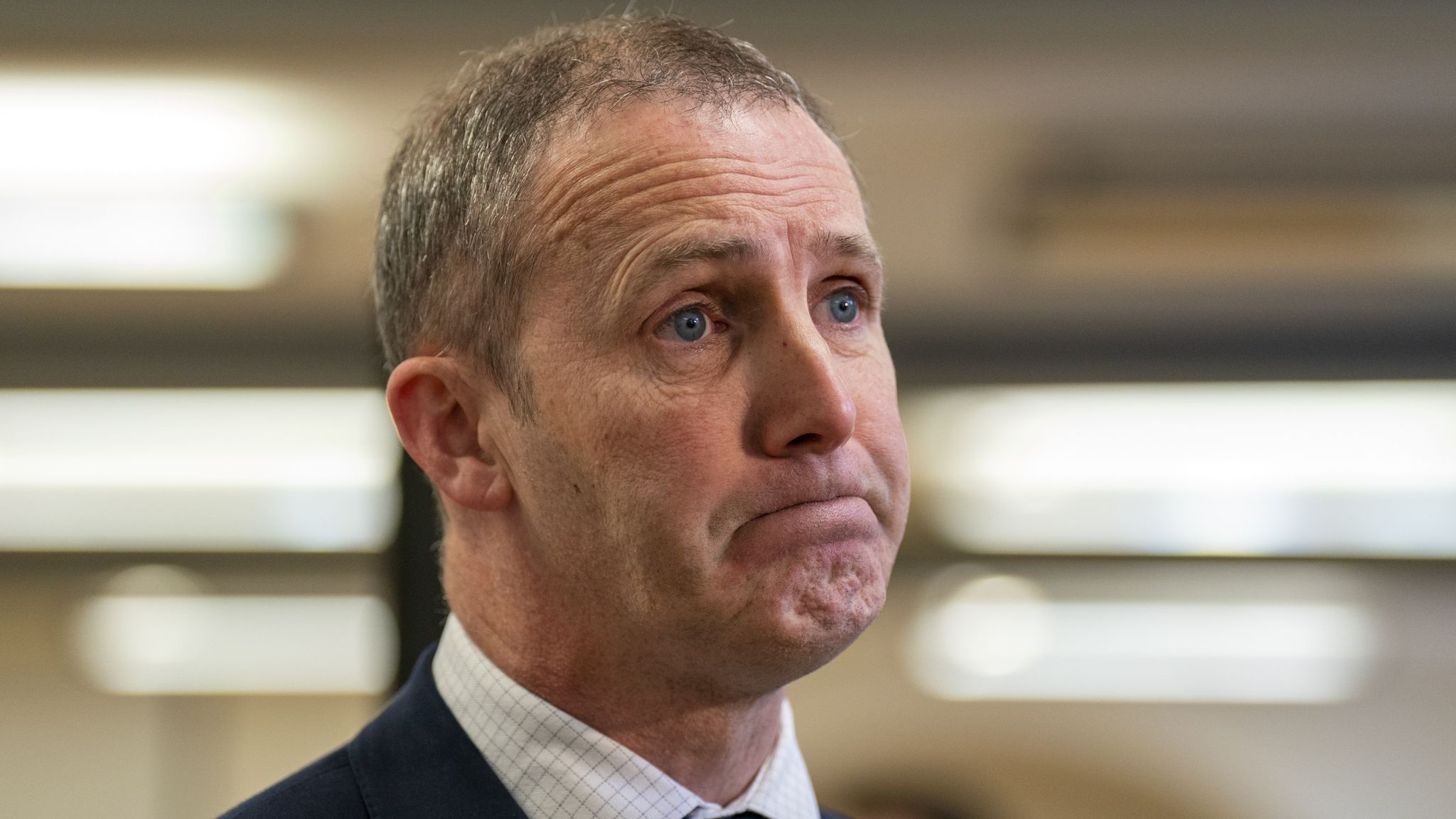
The most notorious case was former Health Secretary Michael Matheson’s £11,000 iPad data roaming bill incurred during a family holiday. After public outcry and revelations that his sons used the device for streaming, Matheson repaid the expense but faced suspension and salary deductions.
Voter Ryan Martin insists that politicians guilty of misconduct should face swift consequences without party protection, ensuring such scandals do not recur.
Ongoing Challenges to Watch
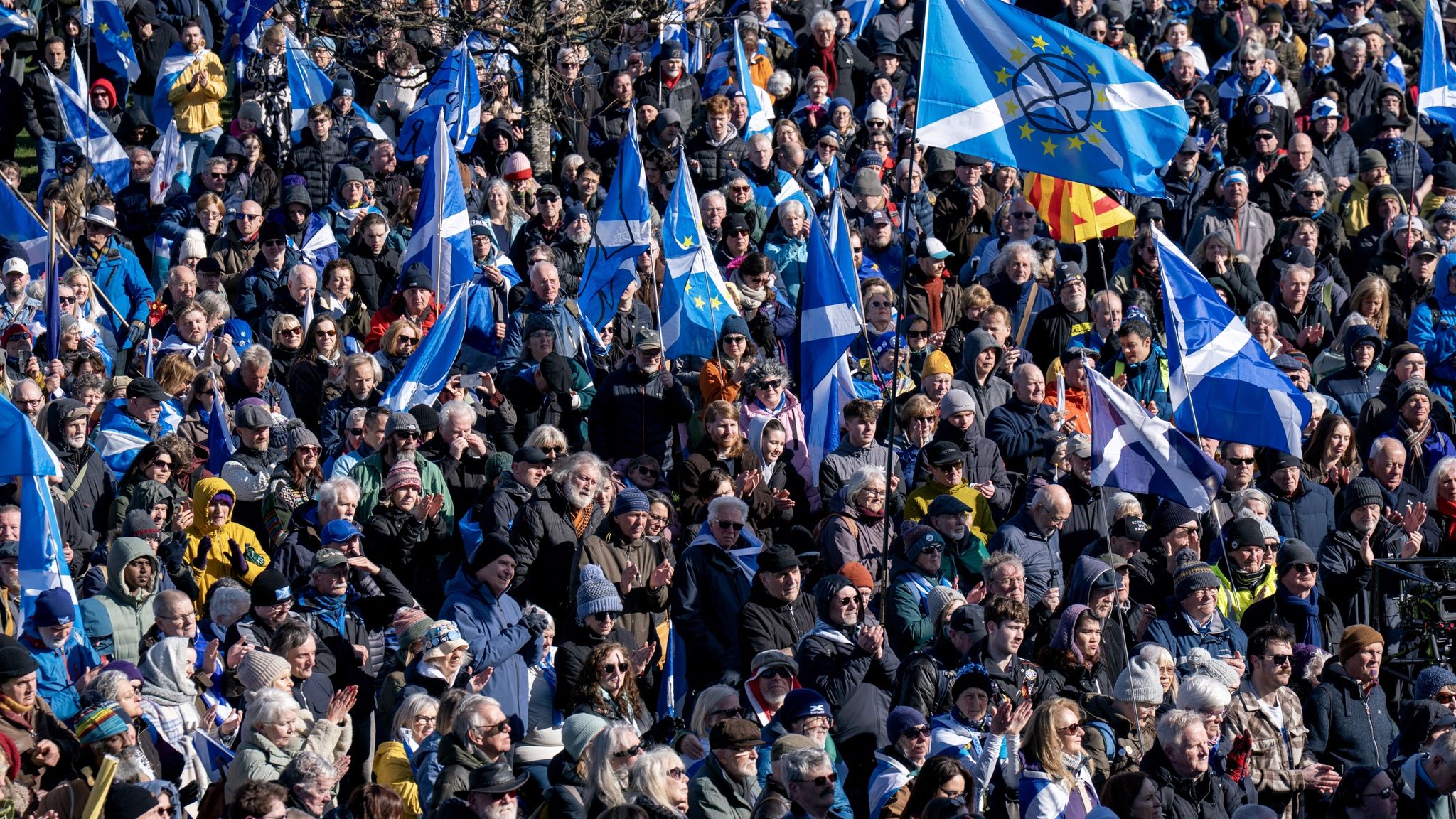
- Scottish Independence Debate: Though the 2014 referendum resulted in a “no,” calls for a second vote persist amid shifting political landscapes. The UK Supreme Court ruled Holyrood cannot legislate for a new referendum without Westminster approval, placing the next government at a crossroads.
- Prison Overcrowding: Scotland’s prisons rank among the most crowded in Western Europe. New facilities like HMP Highland and the £1 billion HMP Glasgow aim to ease pressure but offer limited additional capacity. Reform advocates call for alternatives to incarceration to tackle root causes.
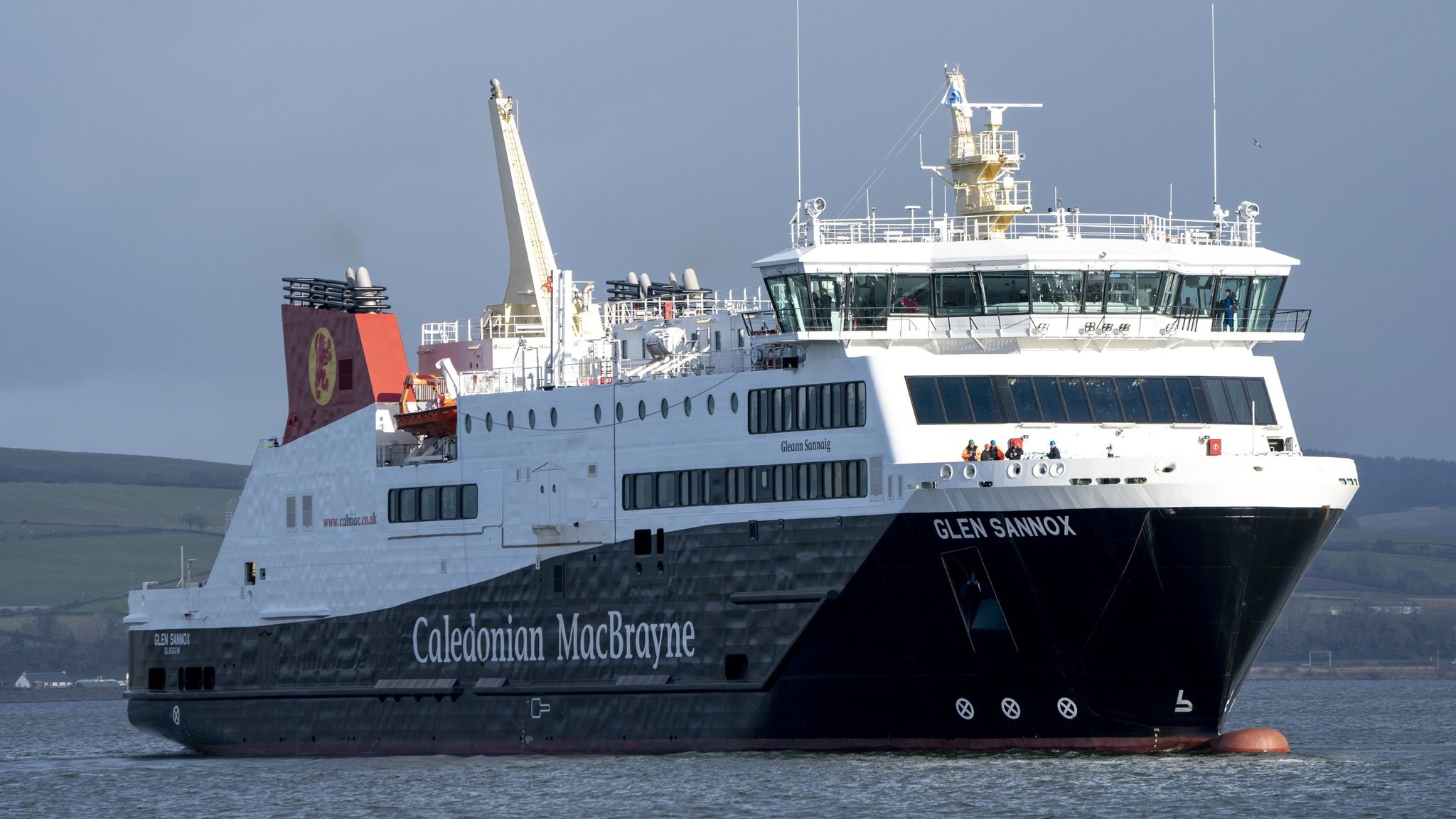
- The Ferries Fiasco: Delays and escalating costs plague the MV Glen Sannox and Glen Rosa vessels, with infrastructure shortcomings preventing safe docking at Ardrossan Harbour. The saga continues to fuel political controversy, demanding urgent resolution.
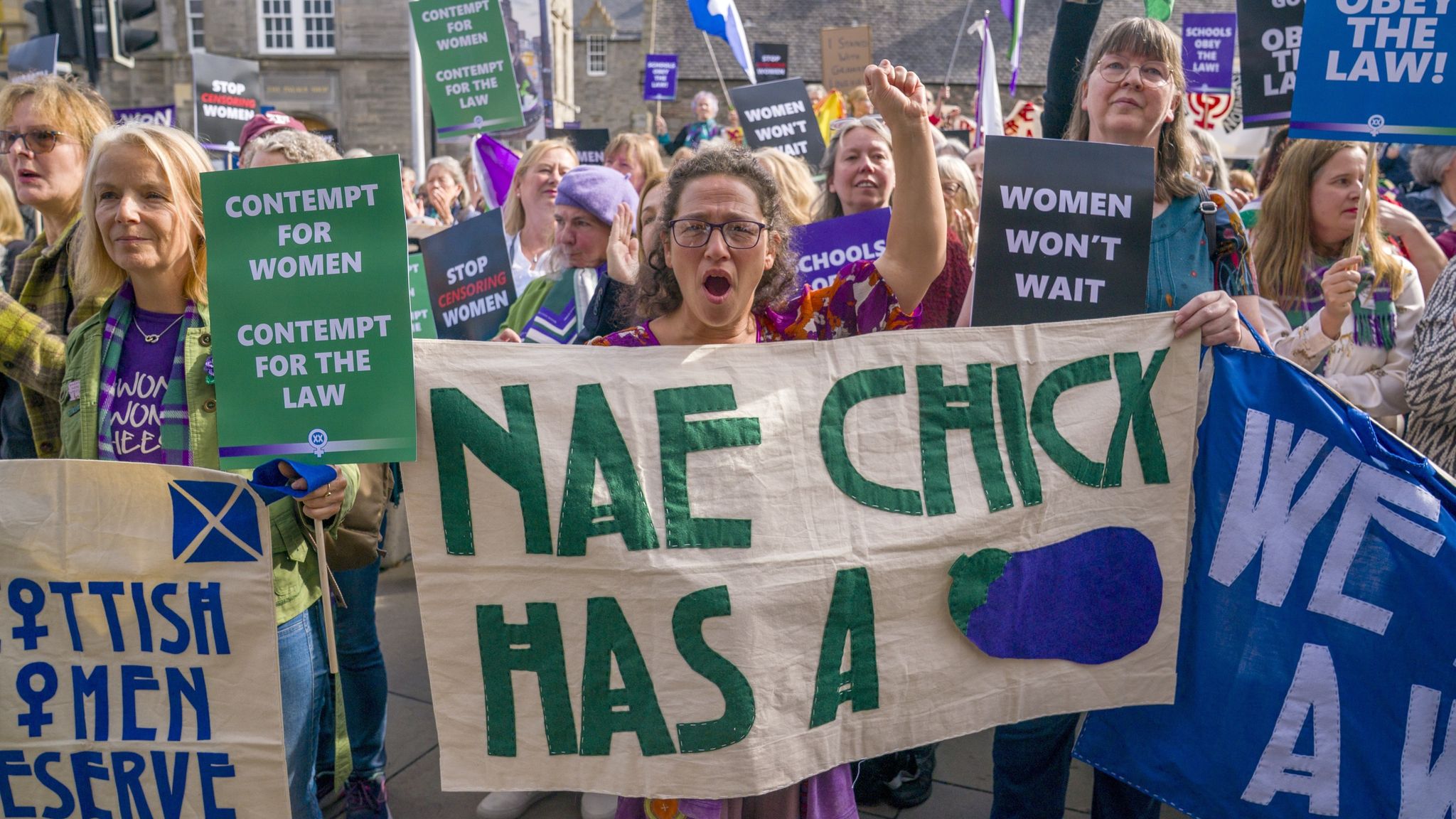
- Transgender Prisoner Management: Legal battles over policies for transgender inmates continue, following a landmark UK Supreme Court ruling. The next government must navigate this sensitive issue carefully to avoid repeating controversies like the Isla Bryson case.




What This Means for Scotland’s Future
The 2026 Scottish Parliament election presents a pivotal moment for Scotland. Voters demand urgent solutions to economic hardship, healthcare pressures, and the drug crisis, while also grappling with constitutional questions and public service scandals. The next Holyrood government must deliver pragmatic policies that rebuild trust, improve lives, and chart a clear path forward amid complex social and political challenges.
With the SNP’s longstanding dominance facing renewed scrutiny, and critical issues like independence and public spending front and centre, this election will shape Scotland’s trajectory for years to come.