

The spectacular Northern Lights, or Aurora Borealis, could grace the skies across the United Kingdom tonight and into tomorrow, thanks to heightened solar activity detected yesterday. This rare celestial show offers a unique opportunity for stargazers and nature enthusiasts to witness one of Earth’s most mesmerizing natural phenomena without traveling far north.
What’s Causing the Northern Lights to Appear Over the UK?
The Northern Lights occur when charged particles emitted by the sun collide with molecules in Earth’s atmosphere, creating vibrant displays of light that ripple across the night sky. Yesterday, a surge in solar activity—specifically a coronal mass ejection (CME)—sent a wave of energetic particles hurtling toward Earth.
When these particles interact with Earth’s magnetic field, they can trigger auroras visible at lower latitudes than usual, making the UK a potential viewing spot. Such events depend heavily on the strength and direction of the solar wind, as well as local atmospheric conditions.
Experts from space weather monitoring agencies have confirmed that the CME’s timing aligns perfectly with tonight’s forecast, increasing the likelihood of auroral activity. This phenomenon, although more common in countries closer to the Arctic Circle, occasionally lights up skies much further south during intense solar storms.
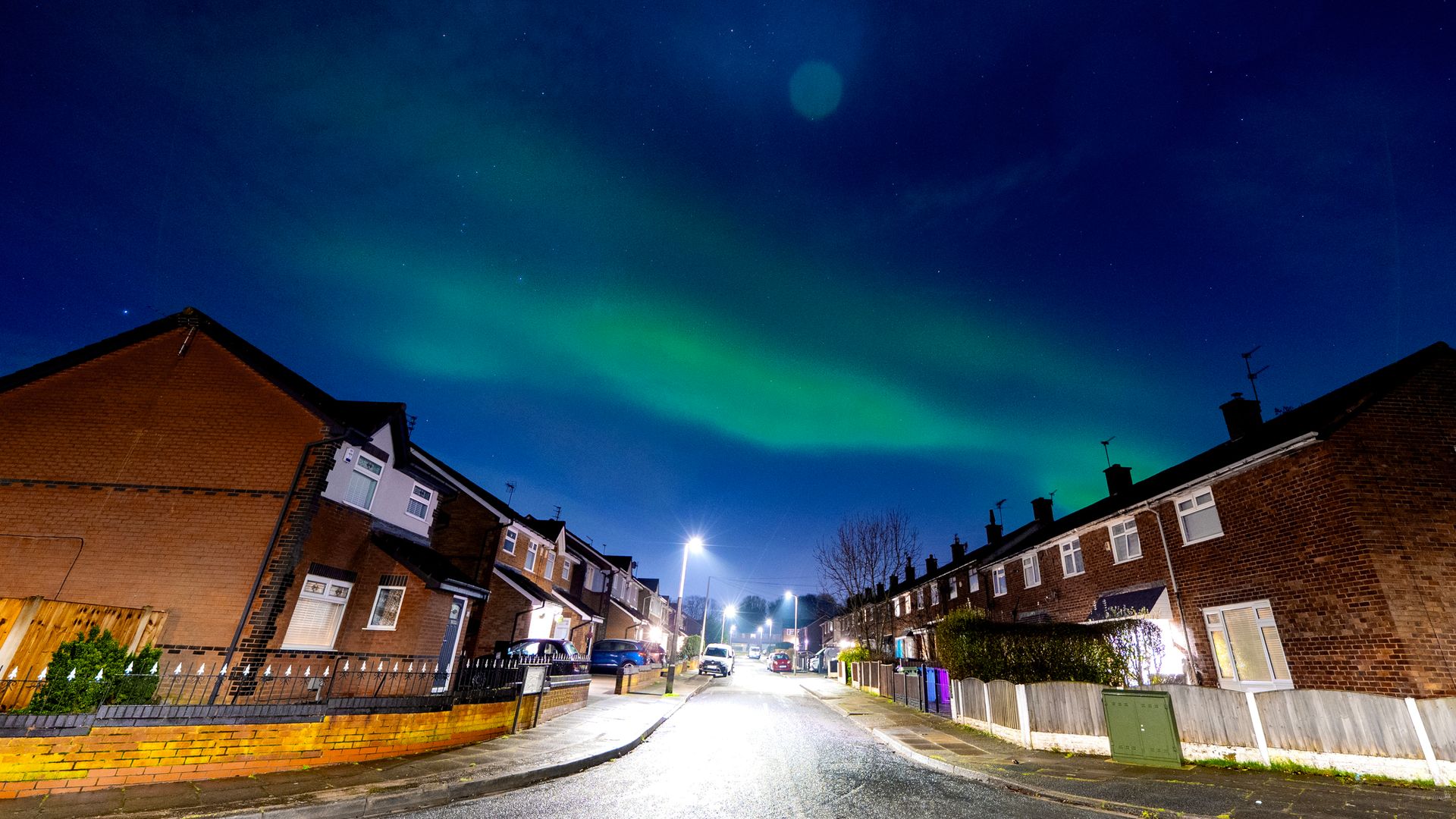
Where Are the Best Places in the UK to See the Northern Lights?
Visibility of the Northern Lights in the UK depends on factors such as light pollution, weather, and geographic location. To maximize chances of witnessing the auroras, viewers should seek out dark, open spaces away from city lights with clear skies.
Scotland, particularly the northern regions like the Shetland and Orkney Islands, remains the premier location for aurora spotting. Their proximity to the Arctic Circle and minimal urban lighting provide ideal conditions.
However, recent solar activity may allow the Northern Lights to be seen further south than usual. Areas in northern England, such as Northumberland and Cumbria, as well as parts of Wales and Northern Ireland, could also offer glimpses if the skies stay clear.
Coastal locations and high-altitude spots enhance viewing experiences because they reduce atmospheric interference. National parks and rural countryside areas are excellent choices, especially after sunset and before midnight when auroral displays peak.
Why This Aurora Event Matters and How to Prepare
Witnessing the Northern Lights is not only breathtaking but also serves as a vivid reminder of our planet’s connection to solar activity and space weather. Scientists monitor these events closely because strong solar storms can impact satellite communications, power grids, and navigation systems.
For the general public, this natural spectacle offers a chance to engage with astronomy and raise awareness about space weather’s influence on daily life. It also encourages outdoor exploration and appreciation of the natural world.
To prepare for viewing, check weather forecasts and space weather alerts for updated information. Dress warmly, bring a camera with manual settings to capture the lights, and arrive at your chosen location early to adjust your eyes to the darkness.
Patience is key, as auroras can appear and fade unpredictably. Keeping an eye on live aurora trackers and social media updates from fellow watchers can increase your chances of catching the perfect moment.
Looking Ahead: When Will the Next Northern Lights Opportunity Arise?
Solar activity follows roughly an 11-year cycle, with peaks known as solar maximums bringing more frequent and intense auroras. We are currently in a phase of increasing solar activity, suggesting that more Northern Lights displays could occur throughout the coming months.
Staying informed about solar weather forecasts and learning how to spot auroras can turn these rare opportunities into memorable experiences. Whether you’re a seasoned aurora chaser or a curious observer, the upcoming nights offer a chance to witness nature’s stunning light show.
In summary, the heightened solar activity from yesterday’s coronal mass ejection could bring the Northern Lights to UK skies tonight and tomorrow. By choosing dark, clear locations—especially in northern Scotland and northern England—viewers have a promising chance to experience this awe-inspiring spectacle. This event highlights the dynamic relationship between our planet and the sun, offering both scientific insight and unforgettable beauty.