Louise Thompson, the reality TV star known for her role in Made in Chelsea, has ignited a crucial parliamentary debate on the state of maternity services in the UK, following her harrowing personal experience with childbirth complications. Her campaign for improved maternity funding and care has struck a chord nationwide, highlighting systemic issues that urgently demand attention.
From Personal Trauma to Public Advocacy
Thompson’s journey into activism began after the traumatic birth of her son, Leo, in 2021. During an emergency caesarean section, she nearly died due to severe hemorrhaging and subsequently endured another life-threatening bleed just ten days after leaving the hospital. These complications were compounded by her pre-existing inflammatory bowel disease, which led to her colon being removed in 2024.
The aftermath left her grappling with multiple health challenges, including post-traumatic stress disorder (PTSD) and the onset of lupus, an autoimmune disease. This cascade of medical crises profoundly affected her physical and mental wellbeing, making daily care for her newborn an immense struggle.
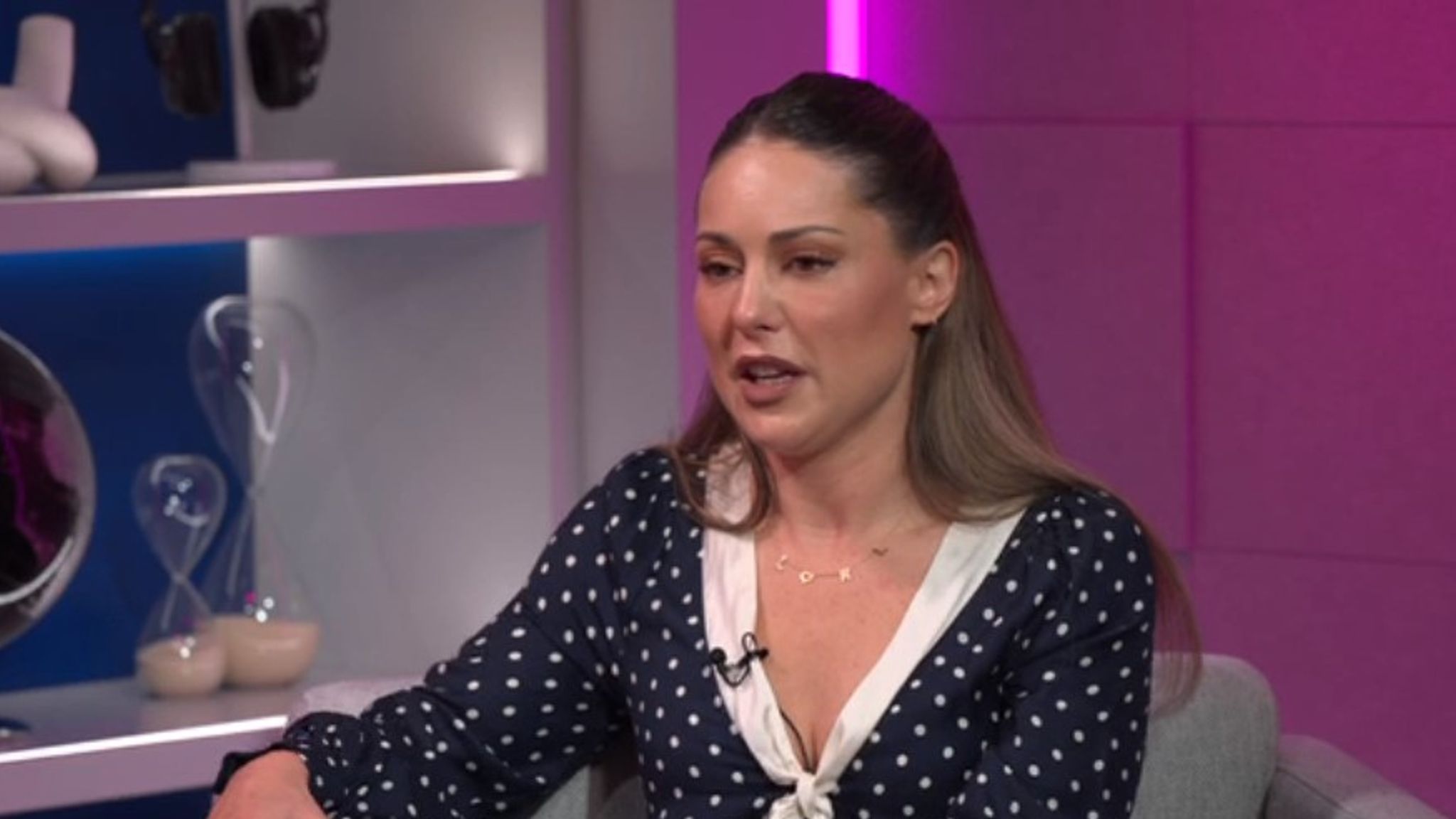
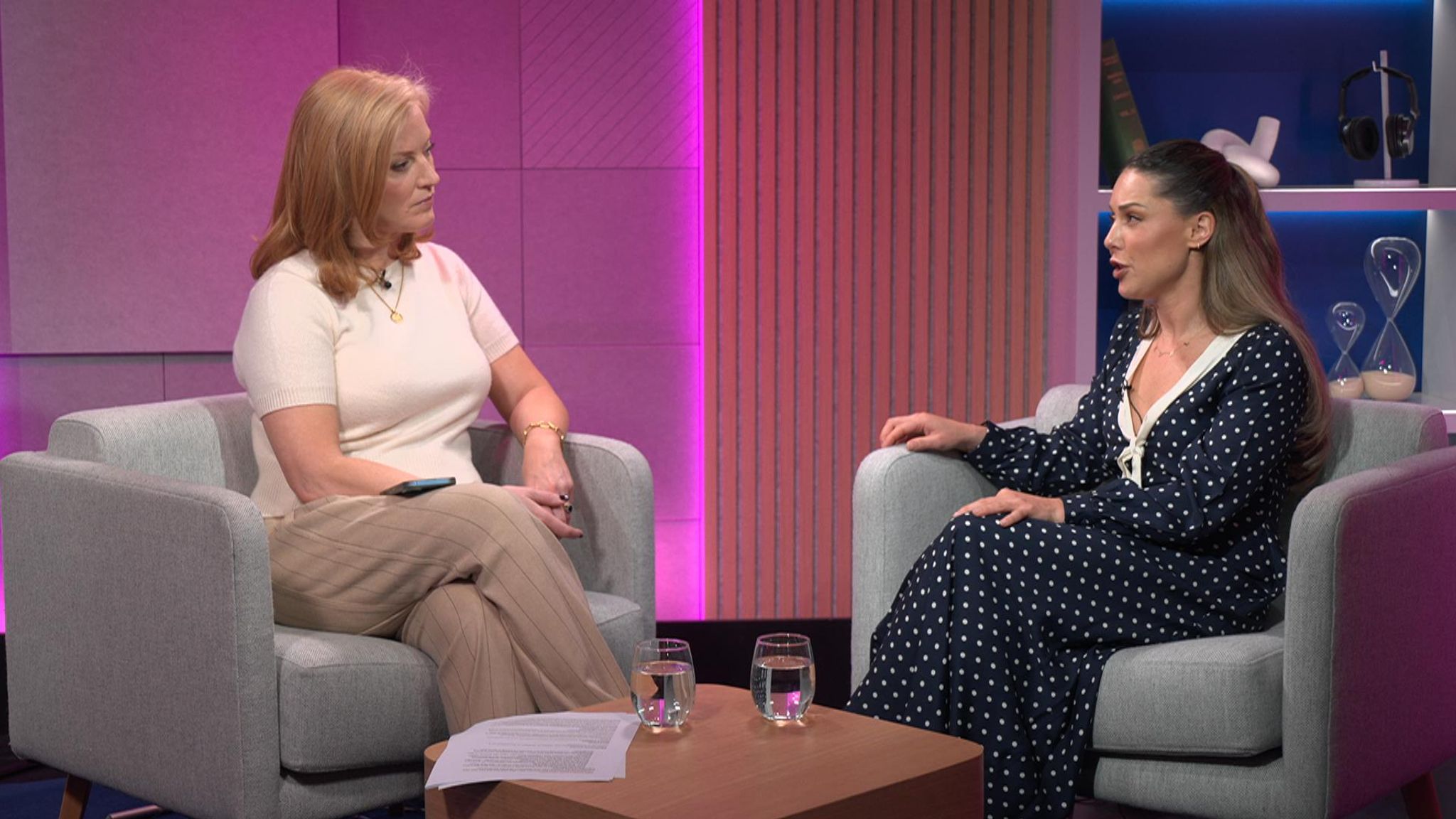
In a candid interview with Sky News’ Sarah-Jane Mee, Thompson shared the emotional toll of her experience: “Trying to look after a child, a newborn… whilst barely functioning ourselves is one of the most traumatic things that can happen to anybody in their lives.”
Campaigning for Change: The Push for a Dedicated Maternity Commissioner
Motivated by her ordeal, Thompson joined forces with former MP Theo Clarke to launch a petition demanding the creation of a dedicated maternity commissioner. This role would oversee and scrutinize maternity services across the UK, ensuring mothers receive the safety, dignity, and informed choice they deserve.
The petition rapidly gained momentum, surpassing 100,000 signatures and compelling parliament to hold a debate on Monday. Thompson’s message is clear: the current maternity care system is under-resourced and underfunded, with women often left uninformed and unsupported during one of life’s most critical moments.
She passionately criticized the lack of access to options such as planned caesarean sections, which are recommended by the National Institute for Health and Care Excellence (NICE) guidelines but frequently denied. “We deserve to understand what to expect, we deserve to be educated, we deserve to be given choices,” Thompson asserted.
Her campaign emphasizes that childbirth involves multiple lives at stake, demanding prompt, well-funded, and expertly managed care. Thompson explained, “When it comes to childbirth you don’t have the time to wait, so it requires extra resources, extra funding, extra understanding, extra education, and all of that is lacking because there is just not enough investment and research into women’s health.”
Why This Debate Matters Now
The timing of this debate aligns with recent government efforts to overhaul maternity and neonatal care. Last month, a new NHS taskforce was established, comprising family representatives, senior NHS leaders, campaigners, and academics. Its mission is to deliver safer, higher-quality care and address entrenched inequalities that disproportionately affect women across England.
Yet, despite these initiatives, many women continue to share distressing birth stories marked by neglect and feeling unheard. Sky News analyzed nearly 170 such testimonies last year, revealing a troubling pattern of systemic failure.
Thompson voiced concern about the sustainability of reforms amid political instability. “One of the fears that I have is politics is so unstable and there are constant reshuffles, and without someone to take ownership of this in the long-run, will these changes actually ever happen?”
Her own recovery hinged on access to a crisis team that visited her daily for a month, providing mental health support crucial to her survival. “If I hadn’t had access to that service then I would have died,” she revealed.
Looking Ahead: The Future of Maternity Care
Louise Thompson’s advocacy shines a spotlight on the urgent need for comprehensive reform in maternity services. Her experience underscores the critical gaps in funding, education, and patient empowerment that jeopardize mothers’ and babies’ lives nationwide.
As parliament deliberates on maternity care, the call for a dedicated commissioner and increased investment represents more than a policy debate—it is a demand for safer, more compassionate care for all families. Thompson’s campaign urges policymakers to remember that childbirth is not just a medical procedure but a profound life event requiring respect, choice, and unwavering support.
With public awareness growing and political attention focused, the hope is that lasting improvements will follow, ensuring no mother suffers in silence or neglect. The future of maternity care in the UK depends on turning this momentum into concrete, sustained action.