Hay fever sufferers face a brutal reality: their symptoms now last up to two weeks longer than they did in the 1990s. This dramatic shift stems from climate change, which has extended the pollen season and intensified allergen exposure across Europe.
Climate Change Fuels Longer, More Intense Pollen Seasons
The 2026 Lancet Countdown in Europe report reveals that rising global temperatures have altered the flowering cycles of key allergenic plants such as birch, alder, and olive trees. The study highlights an earlier onset of pollen release—up to two weeks sooner between 2015 and 2024 compared to 1991 to 2000—prolonging the period during which sensitive individuals suffer.
By shifting and extending the pollen season, climate change heightens the burden on millions who endure hay fever symptoms annually. This extended exposure exacerbates inflammation in the airways, escalating risks of severe respiratory conditions.

Health Experts Warn of Growing Respiratory Risks
Dr. Samantha Walker, Director of Research and Innovation at Asthma and Lung UK, stresses the severe consequences: “A longer pollen season will bring more misery for people with hay fever.” She emphasizes that pollen allergies can inflame airways, triggering dangerous asthma attacks and worsening chronic obstructive pulmonary disease (COPD) flare-ups.
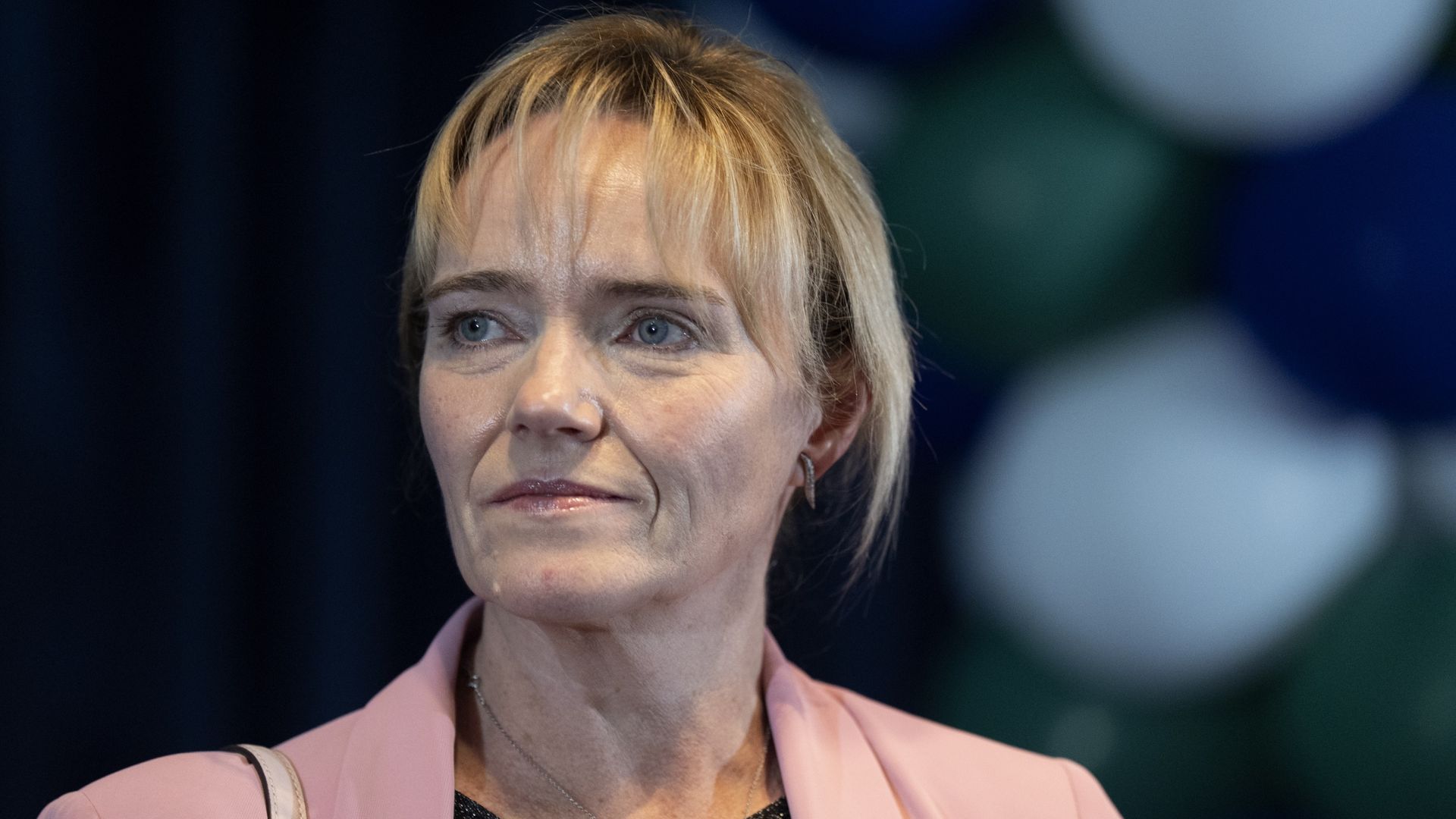
Echoing these concerns, Anne Biggs from Allergy UK underscores the critical need to understand pollen season changes. “Millions in the UK suffer from hay fever, and detailed research into pollen timing and duration is vital for managing allergic conditions linked to pollen and air quality,” she said.
Alarming Allergy Trends in the UK
The comprehensive report, published in The Lancet Public Health, involved 65 researchers from 46 academic and UN institutions, painting a stark picture of the intersection between climate and health.
Separately, a coalition of charities, patients, and medical professionals has issued a call to action over the UK’s allergy crisis. The nation records some of the highest allergy rates globally, with 39% of children and 30% of adults affected. Despite this, allergy care and treatment remain severely underfunded within the NHS, leaving many without adequate support.
The convergence of climate change and rising allergy prevalence underscores an urgent need for enhanced healthcare resources and public awareness to combat this growing public health challenge.