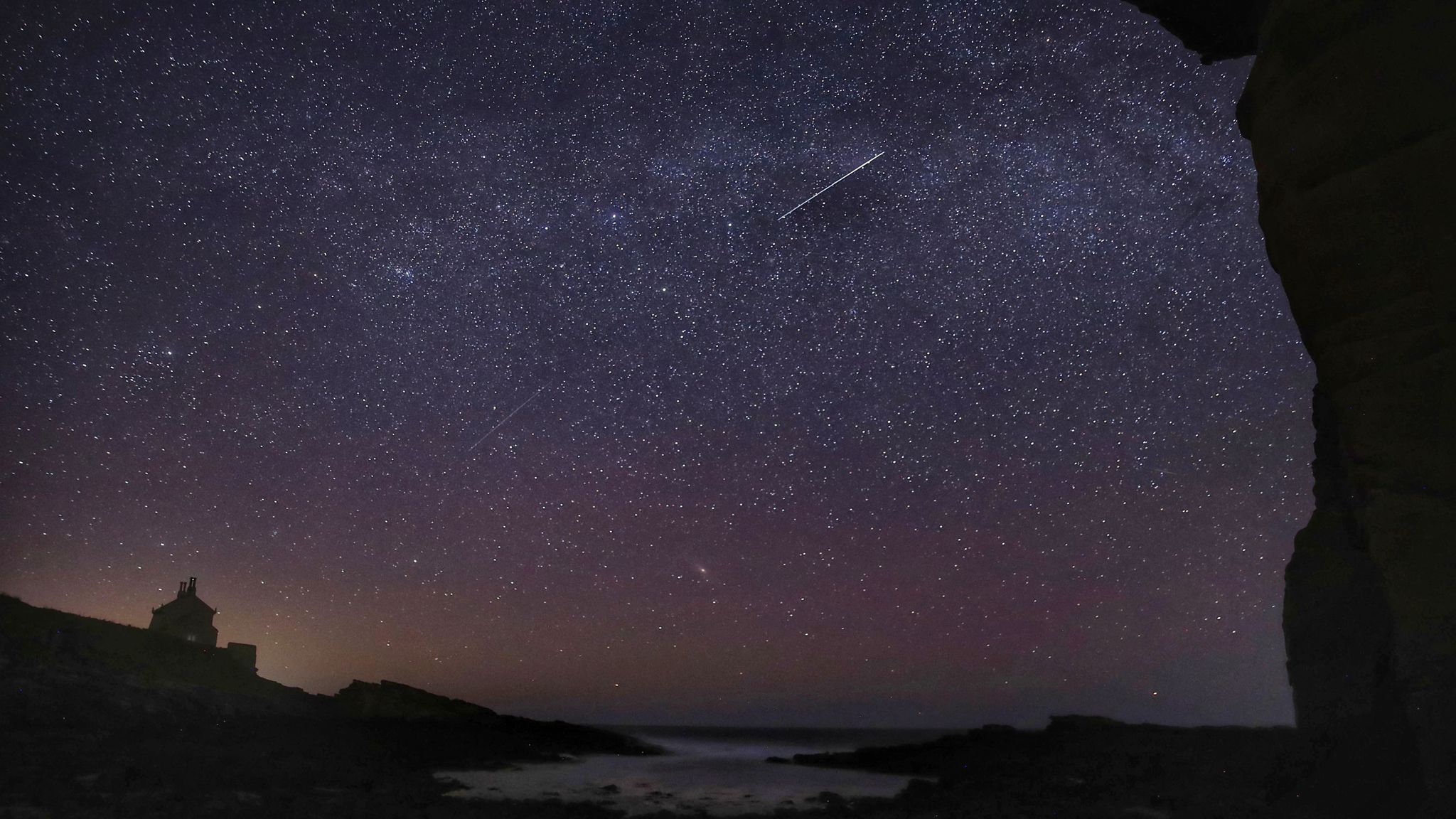
Skywatchers across the United Kingdom have a rare chance to witness a dazzling display of shooting stars as the Lyrid meteor shower lights up the night sky. This annual event peaks with up to 18 meteors streaking across the heavens each hour, offering a mesmerizing cosmic show for those willing to brave the late hours and chilly conditions.
How to Spot the Lyrid Meteor Shower: Tips for the Best Viewing Experience
The Lyrid meteor shower is one of the oldest known meteor showers, first recorded by Chinese astronomers in 687 BC. This year’s peak occurred on the night of April 22, coinciding with a moon phase that is favorable for stargazing due to relatively low moonlight interference. However, the shower remains visible for several nights afterward, extending the viewing window through to Saturday.
To maximize your chances of spotting the Lyrids, experts advise heading outdoors after nightfall, with the optimal viewing time starting around 2 a.m. This timing aligns with the Earth’s rotation bringing observers into the thickest part of the comet debris trail, increasing the likelihood of seeing meteors.
Observers should seek out dark, open spaces away from artificial lighting to reduce light pollution. Allow your eyes at least 30 minutes to adjust to the darkness, a critical step recommended by NASA to enhance visibility of the faint streaks of light caused by burning meteoroids. Look toward the darker parts of the sky, especially in the constellation of Lyra, where the shower appears to radiate.
UK Weather Outlook: Clear Skies Offer a Prime Viewing Opportunity
Fortunately for meteor enthusiasts, weather forecasts predict predominantly dry and clear nights across most of the UK over the coming evenings, thanks to a stable high-pressure system. Sky News weather producer Jo Robinson highlights that while some low cloud or fog may affect northern, central, and eastern regions intermittently, the overall outlook favors stargazing.
Keep in mind, temperatures will drop significantly overnight, with rural areas potentially dipping to frost levels. Dressing warmly and bringing blankets or a comfortable chair can make the experience more enjoyable during the extended wait for meteor sightings. NASA encourages patience, noting that the meteor shower will continue until dawn, allowing ample time to catch the spectacle.
The Origin and Science Behind the Lyrid Meteor Shower
The Lyrid meteor shower originates from debris left behind by Comet Thatcher, which was discovered in 1861 by amateur astronomer Alfred Thatcher — no relation to the former British prime minister. As Earth passes through the trail of dust and small particles shed by the comet, these fragments enter our atmosphere at incredible speeds of approximately 43 miles per second.
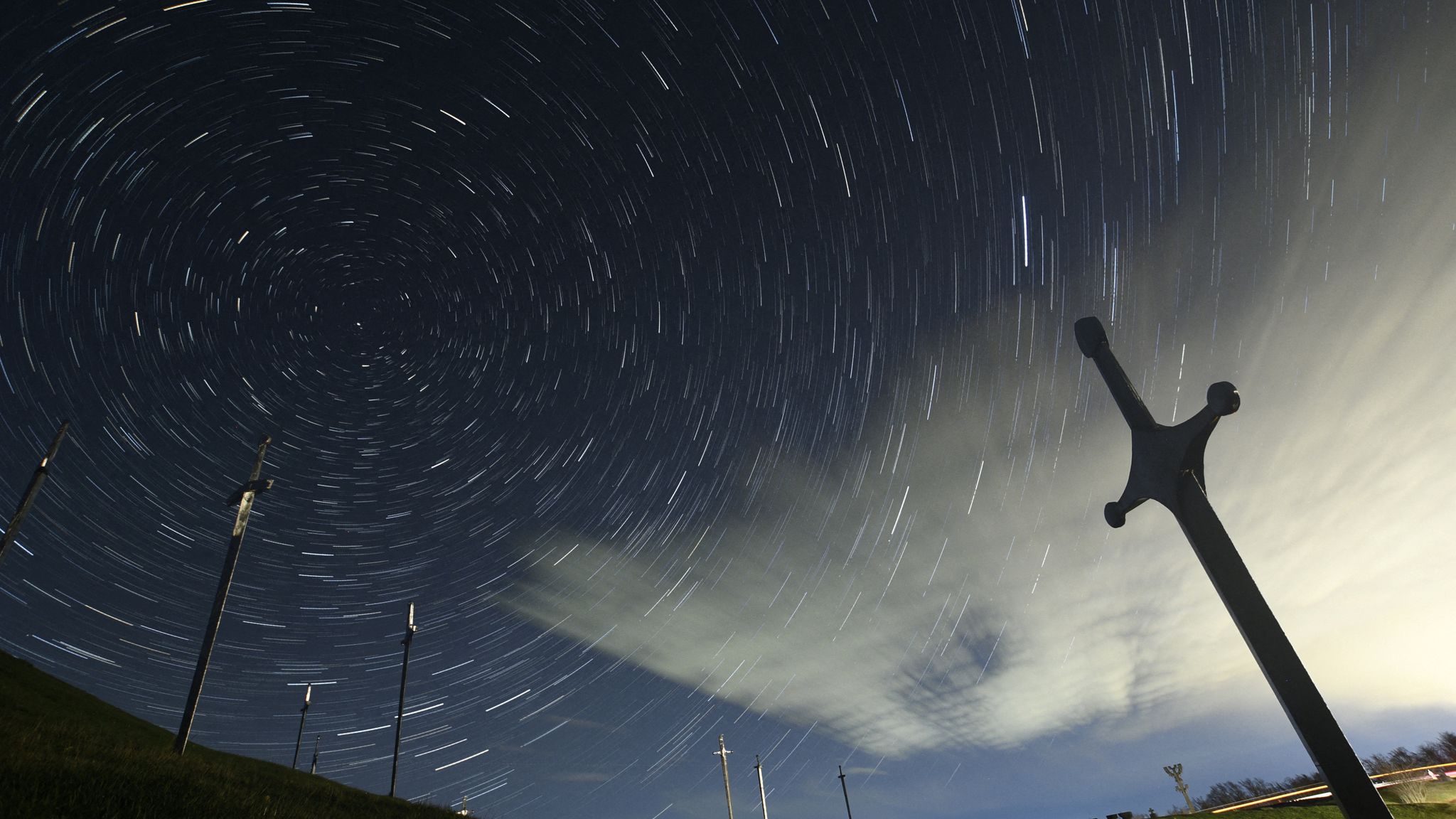
Upon entering the atmosphere, these meteoroids encounter intense air friction, causing their surfaces to heat up to around 1,600 degrees Celsius. This extreme heat causes the meteors to glow brightly and vaporize, creating the brilliant streaks of light known as shooting stars. The Lyrids are particularly known for their bright, fast meteors, which can sometimes leave glowing trails lasting several seconds.
Why the Lyrid Meteor Shower Matters
The Lyrid meteor shower is not just a beautiful natural phenomenon; it connects us to the ancient rhythms of our solar system. As one of the oldest documented meteor showers, it offers a glimpse into the history of human observation of the night sky. Moreover, meteor showers like the Lyrids help scientists study cometary debris and the dynamics of Earth’s atmosphere.
For casual observers, the shower provides a memorable opportunity to engage with the cosmos, inspiring curiosity and wonder about space. With favorable weather and dark skies, this year’s Lyrid event is a chance to witness one of nature’s most spectacular light shows.
Looking Ahead: Don’t Miss the Next Celestial Events
While the Lyrid meteor shower peaks only once a year in April, the night sky offers numerous other celestial events worth marking on your calendar. Staying attuned to these natural displays fosters a deeper appreciation for astronomy and the universe at large.
For now, bundle up, find a dark spot, and keep your eyes on the skies—there’s still time to catch the tail end of the Lyrid meteor shower before it fades into the cosmic background.