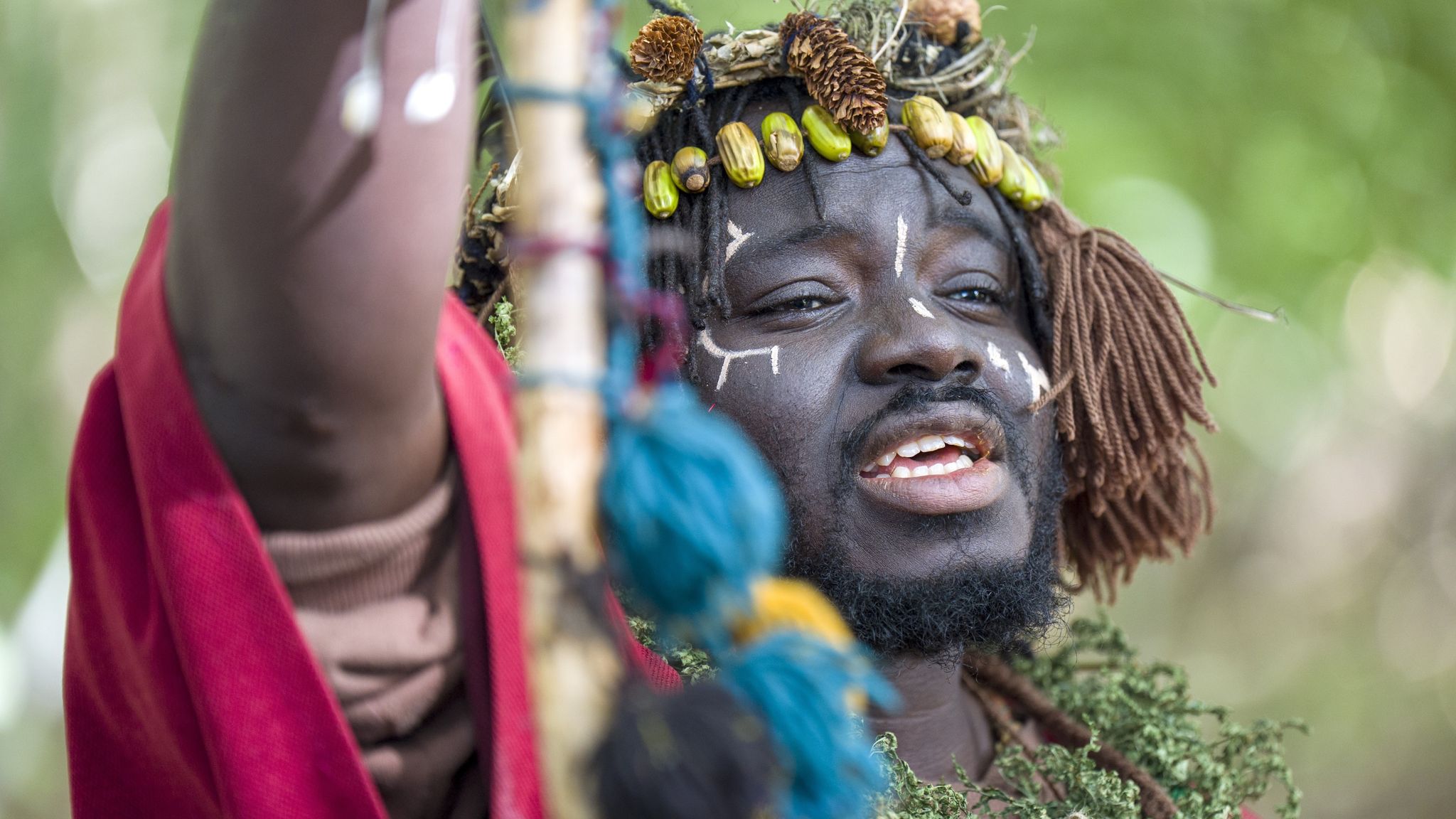
The leader of a self-styled “African tribe” that captured global attention by establishing a camp in the Scottish Borders has been deported from the UK. Kofi Offeh, who declared himself King Atehene, was removed from British soil following a series of legal battles and evictions.
How the Kingdom of Kubala Emerged in Scottish Woods
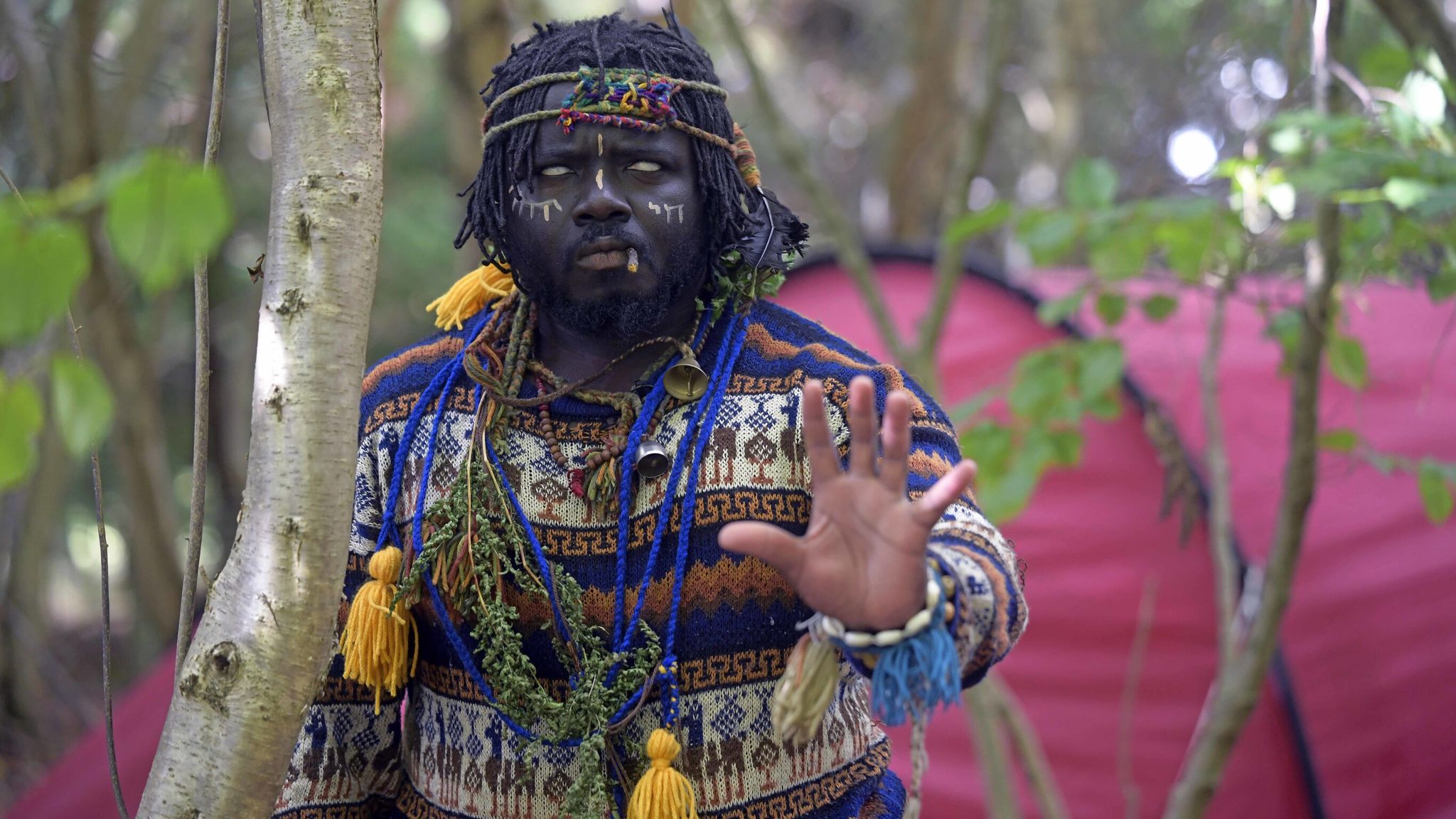
In May last year, Kofi Offeh and his partner Jean Gasho, who took the title Queen Nandi, set up a makeshift settlement deep in woodland near Jedburgh, a town in the Scottish Borders. They proclaimed the establishment of the Kingdom of Kubala, a symbolic reclaiming of territory they argued was stolen from their ancestors some 400 years ago.
Joining the royal couple was Kaura Taylor, who adopted the name Asnat and referred to herself as a “handmaiden.” Together, they created a small community that quickly drew public interest.
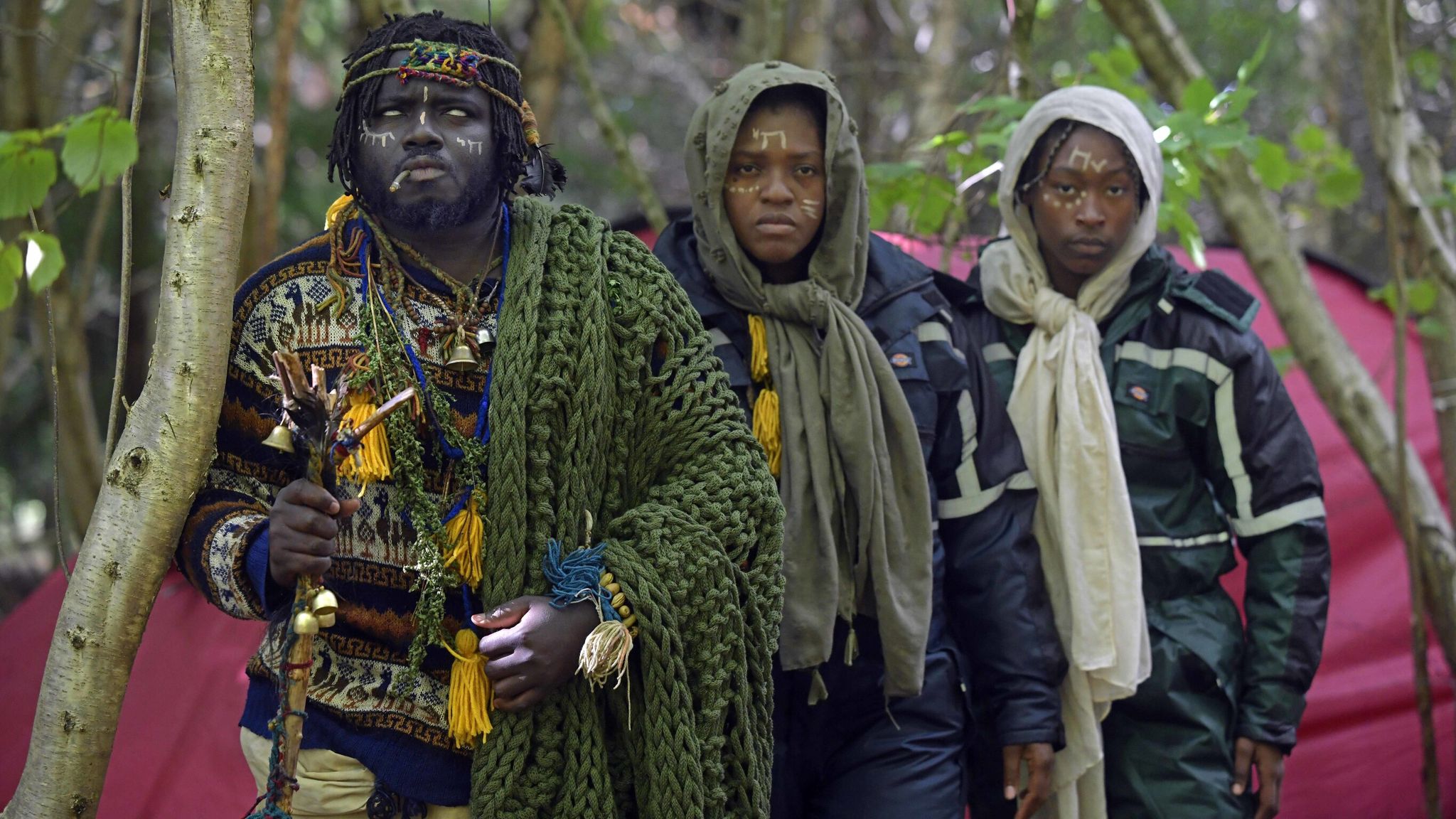
The group used social media platforms like TikTok and Facebook to broadcast videos of their daily lives—singing, dancing, and chanting—which attracted tens of thousands of followers worldwide. Their story resonated with many who viewed it as a powerful statement on historical land rights and cultural identity.
Legal Challenges and Forced Evictions
Despite their growing online presence, the Kingdom of Kubala faced mounting legal pressure. The landowners where the tribe initially camped took action in September, initiating legal proceedings to evict them on the grounds that the group had “no right of title” to the property.
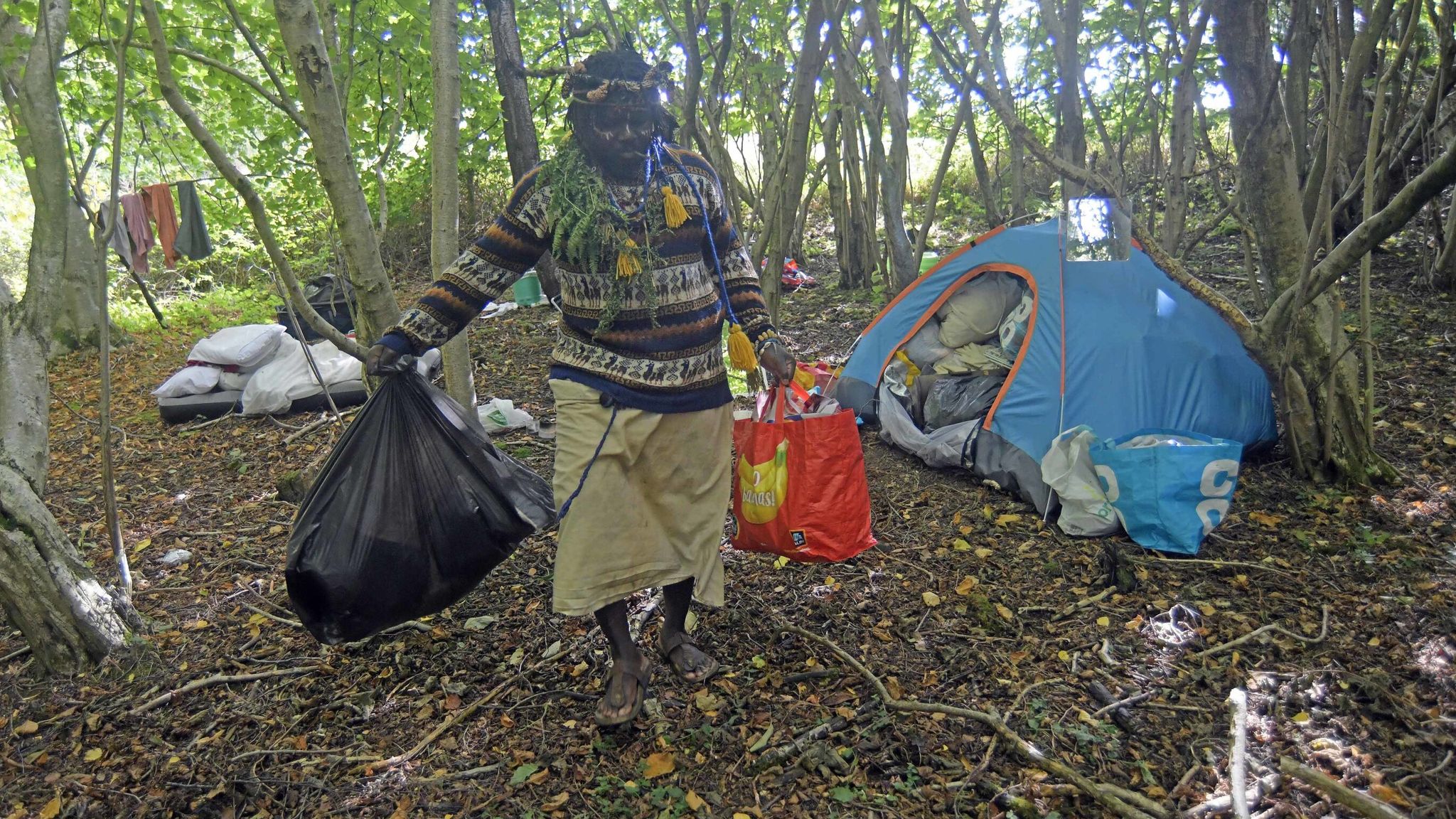
A sheriff issued a warrant for their removal, leading to their eviction from the original site. Undeterred, the group then relocated to a neighboring plot owned by the Scottish Borders Council, attempting to reestablish their camp.
This move prompted further legal intervention. In October, sheriff officers, police, and Immigration Enforcement officials jointly executed a coordinated operation to remove the group from the second site. Authorities arrested a Ghanaian man and an American woman on suspicion of immigration offences during the operation.
Deportation and Aftermath
On 22 April, local media confirmed that Kofi Offeh had arrived at Accra International Airport in Ghana, marking the end of his time in the UK. The Home Office officially confirmed his deportation, closing the chapter on the Kingdom of Kubala’s physical presence in Scotland.
While the deportation removes the tribe’s leaders from UK soil, the case has ignited discussions about indigenous land claims, immigration enforcement, and the limits of protest. The Kingdom of Kubala’s story highlighted tensions between historical grievances and contemporary property laws, raising complex questions about cultural identity, sovereignty, and legal jurisdiction.
Why This Case Matters
The Kingdom of Kubala saga serves as a potent reminder of how historical injustices can echo into the present day. While their claim to the land lacked formal legal recognition, the group’s actions forced public and legal systems to confront issues of ancestral rights and immigration policies.
Moreover, their savvy use of social media showcased how modern technology can amplify marginalized voices, creating global conversations around local disputes. This case illustrates how symbolic acts of reclamation can transcend borders and challenge traditional notions of nationhood and property ownership.
As immigration enforcement and land rights debates continue across the UK, the Kingdom of Kubala’s story will likely remain a reference point for activists, policymakers, and communities grappling with similar issues.
Looking Forward
Though the physical presence of the Kingdom of Kubala in the Scottish Borders has ended, the questions it raised endure. The intersection of identity, history, and legal authority will continue to challenge governments and societies. Moving forward, a deeper dialogue about restitution, cultural recognition, and immigration reform may emerge from this unique episode.
Full details about the group’s future plans or any ongoing legal challenges have not yet been released.