A 1940s bomb discovered near Wembley Stadium has sparked an urgent response from bomb disposal experts, revealing a stark reminder of London’s wartime past beneath its modern landscape.
Discovery of a World War Two Bomb Near Wembley Stadium
During construction work close to Wembley Stadium, builders uncovered a live bomb dating back to the early 1940s. This 50-kilogram explosive device is believed to have been dropped during the Nazi bombing raids that targeted London throughout the Second World War. The discovery has prompted immediate action by the British Army’s bomb disposal teams, who have classified the device as a “genuine risk to life” due to its unstable condition.
The bomb remains active and dangerous, representing a significant threat not only because of its size but also because of its precarious state after decades underground. Such unexploded ordnance is not uncommon in cities like London, which endured extensive aerial bombardment during the war. However, each find requires careful handling to ensure public safety.

Evacuation and Safety Measures Implemented
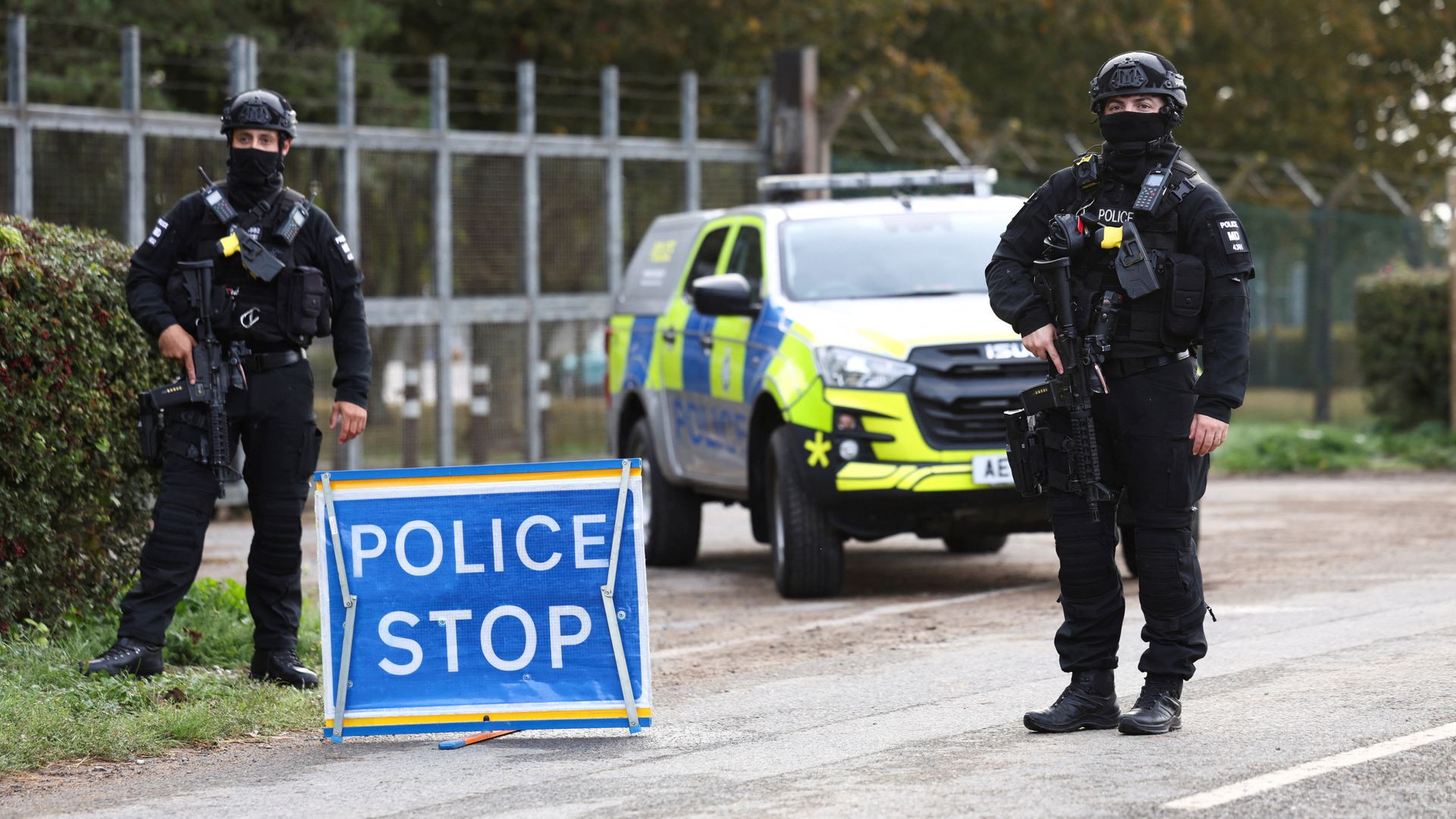
Authorities swiftly evacuated residents and workers in the immediate area surrounding the discovery site to minimize the risk of harm should the bomb detonate accidentally. The Metropolitan Police described the number of evacuees as “relatively small,” indicating a controlled and efficient response to the threat. To further safeguard nearby properties, army engineers constructed a blast wall around the bomb, designed to contain any potential explosion and limit damage to the surrounding environment.
The response teams brought in to handle this operation are highly experienced specialists. According to an army spokesman, these bomb disposal experts have previously dealt with far more complex and dangerous devices, including Improvised Explosive Devices (IEDs) encountered in conflict zones such as Iraq, Afghanistan, and Northern Ireland. Their extensive expertise ensures that even historical munitions like this World War Two bomb can be managed safely and effectively.
Planned Removal and Impact on Wembley Events
After securing the area, the bomb was carefully removed and transported to a secret location in Bedfordshire, where it was detonated under controlled conditions just after 5 p.m. on Friday. The decision to detonate the bomb away from the city reflects standard protocols designed to eliminate risk while preventing disruption in densely populated areas.
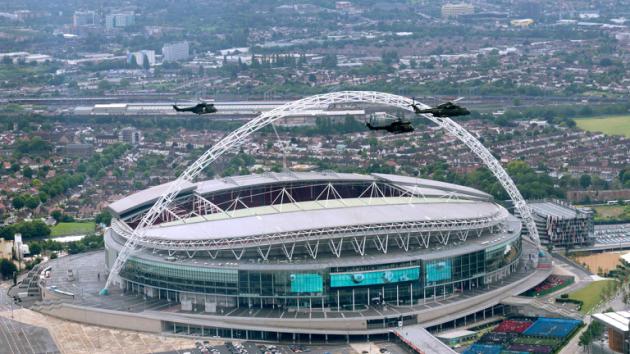
Officials from Wembley Stadium confirmed that the bomb’s discovery and subsequent removal would not interfere with the scheduled Football League play-off finals taking place at the venue that weekend. In an official communication via social media, Wembley assured fans and teams that “this weekend’s games remain unaffected,” reaffirming the stadium’s readiness to host the critical matches without delay.
Why This Discovery Matters
The unearthing of a live bomb from the 1940s near one of London’s most iconic landmarks highlights both the enduring legacy of World War Two and the ongoing challenges faced by urban areas built upon historical battlegrounds. London’s underground and soil continue to conceal remnants of past conflicts, requiring vigilance and preparedness from emergency services.
Moreover, this incident underscores the crucial role of bomb disposal units whose expertise protects civilians from hidden dangers, whether from contemporary threats or relics of previous wars. Their ability to neutralize explosives safely preserves public safety and ensures that life in major cities can proceed with minimal disruption.
For Wembley Stadium and its visitors, the swift and professional handling of this potentially catastrophic threat allowed normal activity to continue, preserving the spirit and excitement of live sports events. As cities evolve and grow, such discoveries serve as reminders of history’s imprint beneath the surface and the importance of preparedness in the face of unexpected hazards.