

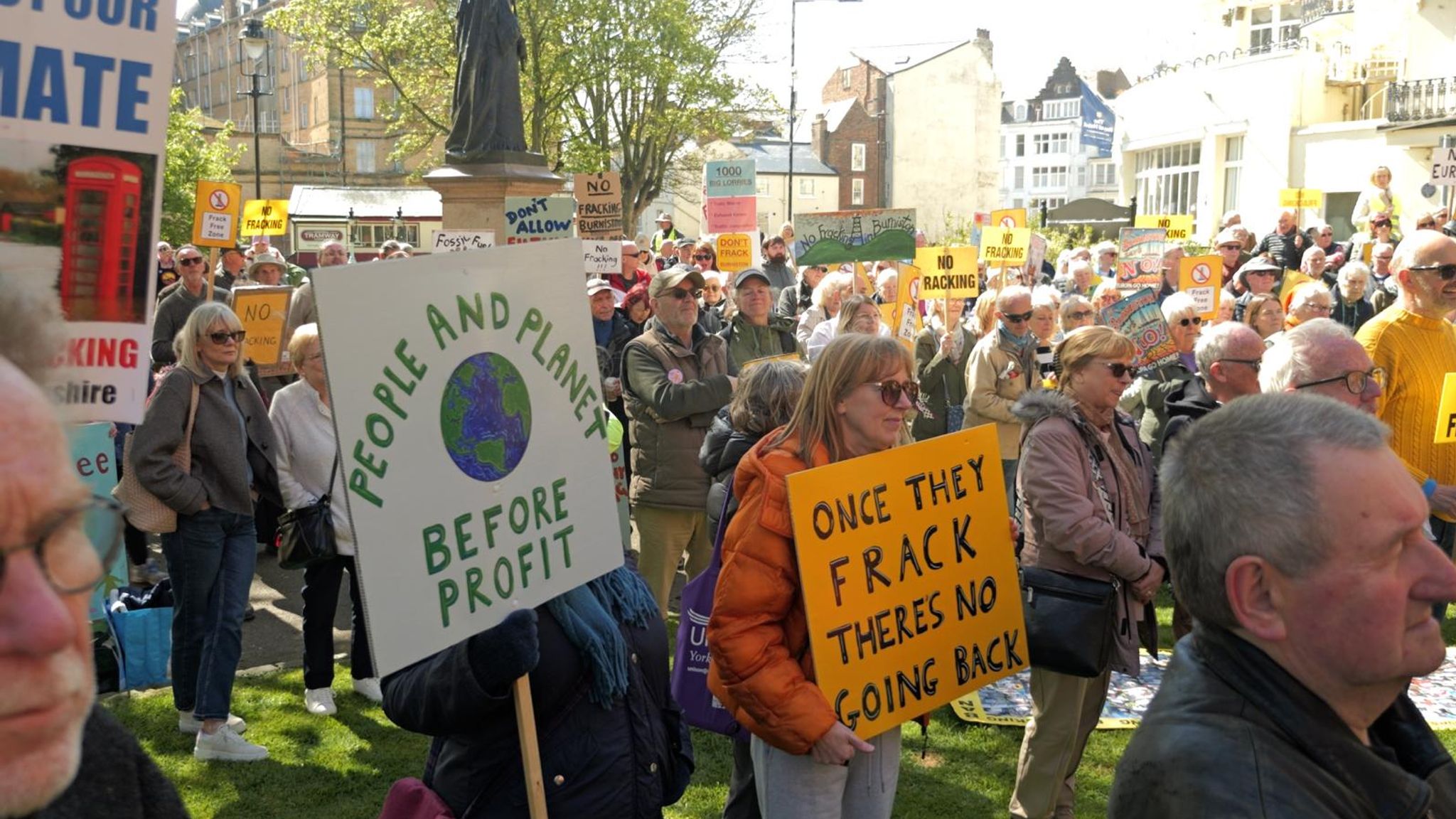
The controversial plans for a “mini fracking” operation near Burniston, Scarborough, have been halted after North Yorkshire Council rejected the proposal. This decision follows a wave of strong local opposition concerned about environmental risks and potential seismic activity.
What Happened at Burniston?
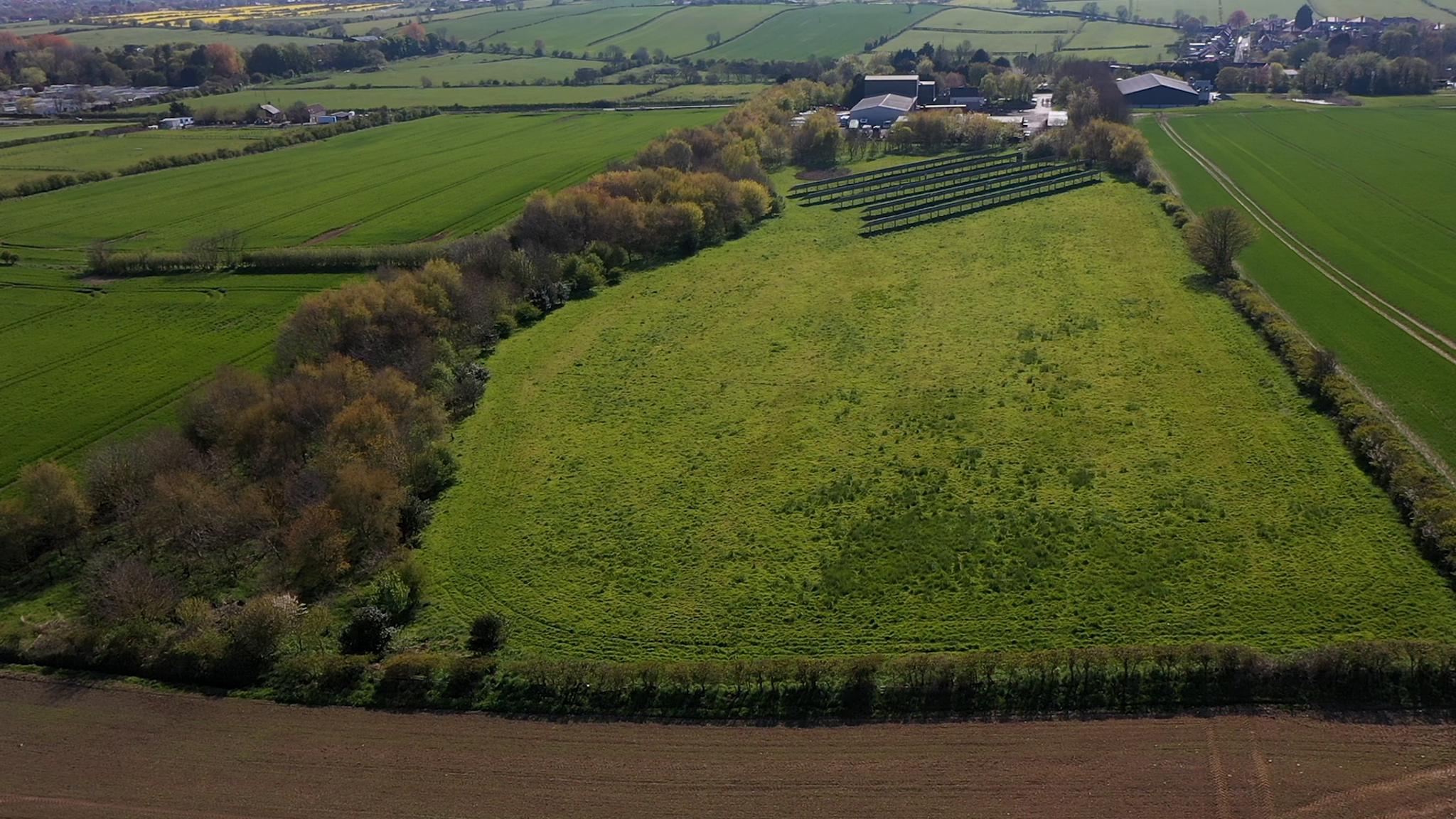
The developer behind the project, Europa Oil and Gas, sought approval to drill an exploratory well using a technique known as a “proppant squeeze,” often referred to as mini fracking. This method involves injecting a smaller volume of fluid into rock formations to extract gas, distinct from the larger-scale hydraulic fracturing used in shale gas extraction.
Europa estimates the site could yield at least 41 billion cubic feet of natural gas, enough to power roughly 130,000 homes at peak production. However, concerns over the fragile coastline, potential impacts on local tourism, and fears of tremors led councillors to oppose the plan. The council expressed they were “minded” to reject the application pending further guidance from the UK government.
The proposal faced overwhelming resistance, with approximately 1,400 formal objections lodged by residents and environmental campaigners. Many locals fear that even mini fracking could trigger minor earthquakes and damage the region’s reputation as a tourist destination.
Understanding Mini Fracking and Its Risks
Fracking, or hydraulic fracturing, was effectively banned in England in 2019 after seismic tremors reaching a magnitude of 2.9 were recorded at a shale gas site near Preston New Road, Lancashire. However, the smaller-scale proppant squeeze technique remains in a regulatory gray area, as it is not explicitly covered by the moratorium.
The Environment Agency categorizes proppant squeeze as “mini fracking.” This method has reportedly been used between 100 and 150 times onshore in the UK without recorded seismic events, according to a 2017 study. Europa’s CEO, Will Holland, stressed to Sky News that the technique is “completely safe,” emphasizing that “no seismic events have occurred during proppant squeeze operations” in the UK, in contrast to traditional shale fracking.

Despite these assurances, scientific understanding of how Britain’s complex geology responds to any form of fracking remains limited. Earthquakes triggered by fracking are notoriously difficult to predict. Experts caution that the risk cannot be entirely ruled out, especially near sensitive coastal environments.
Moreover, the volume of gas recoverable through mini fracking is uncertain and likely much smaller than that from large offshore fields, prompting debate about its economic viability versus environmental risks.
The Political Debate Over the “Fracking Loophole”
In response to growing public concern, environmental groups like Friends of the Earth are pressing the UK government to close what they describe as a “loophole” in the fracking ban. They argue the moratorium should explicitly encompass all forms of fracking, including proppant squeeze operations, to prevent fracking “by the back door.”
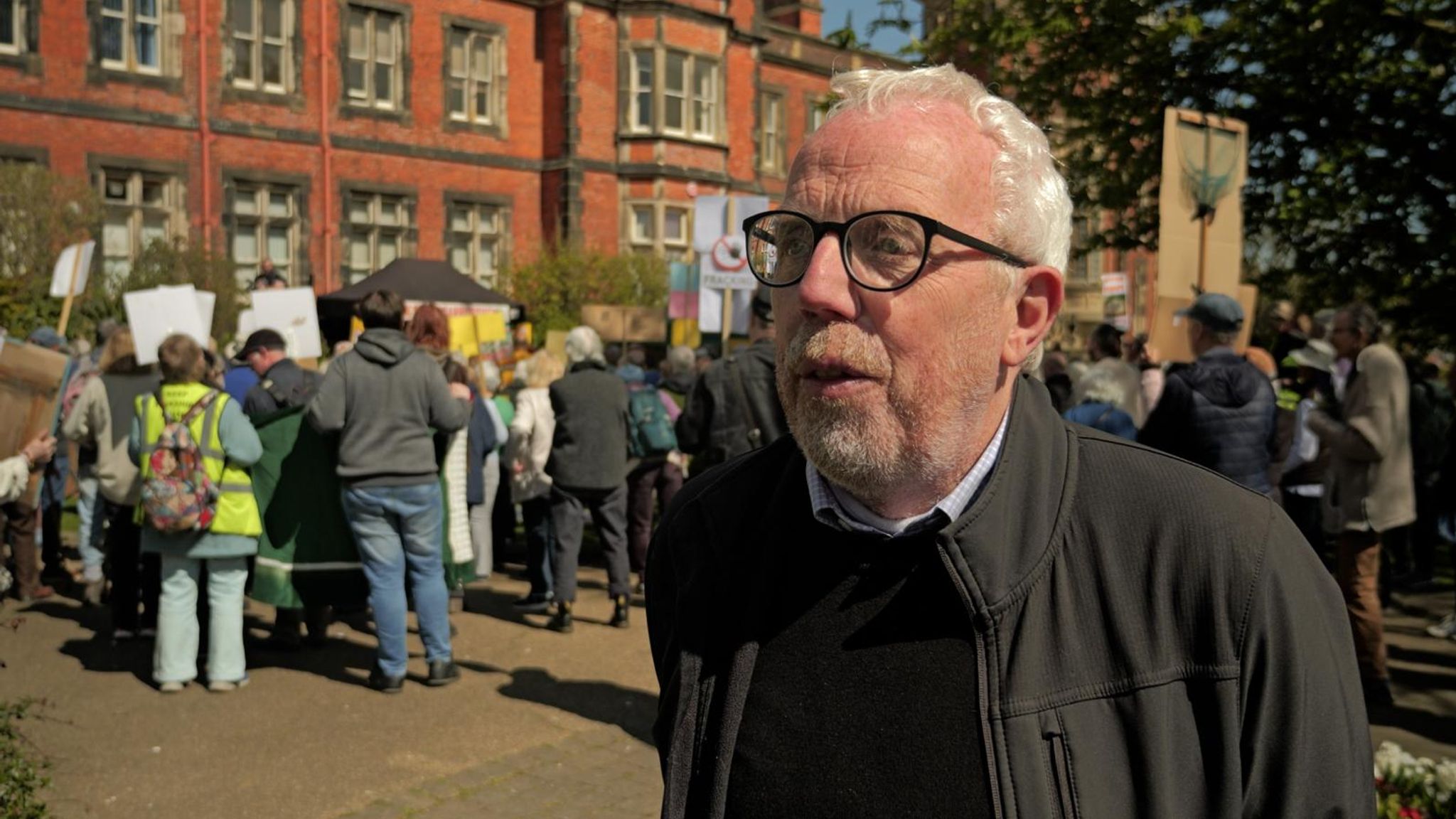
Tony Bosworth, a climate campaigner with Friends of the Earth, stated that ministers “must protect communities from fracking by the back door, by ensuring that this includes all types of fracking—including proppant squeeze.” Despite these demands, government officials have indicated no current plans to expand the ban to cover mini fracking techniques.
A government spokesperson reiterated the commitment to a permanent fracking ban, declaring, “We will ban fracking for good and make Britain a clean energy superpower to protect current and future generations.” However, this stance has not yet translated into closing the regulatory gap that allows limited fracking activities to continue.
The Labour Party, meanwhile, has pledged to end new oil and gas projects if elected, but intends to honor existing licenses for exploration, potentially allowing some mini fracking projects to proceed under current permissions.
Why This Matters Going Forward
The Burniston decision highlights an ongoing tension between energy development, environmental protection, and climate commitments in the UK. As the nation aims to phase out fossil fuels and meet ambitious carbon reduction targets, the future of unconventional gas extraction remains contentious.
Local communities and environmental advocates warn that any form of fracking could undermine efforts to combat climate change and threaten local economies dependent on tourism and natural heritage. The unresolved “mini fracking” loophole poses a challenge for regulators balancing economic interests with public safety and environmental stewardship.
With further government guidance expected, the outcome of appeals by companies like Europa Oil and Gas will be closely watched. The debate underscores the need for clear, comprehensive policies that address all fracking methods to ensure consistent protection for communities and the environment.
Ultimately, closing this loophole could mark a significant step toward safeguarding the UK’s landscape and accelerating its transition to clean energy.