

The Metropolitan Police have charged a man with aiding Iran’s intelligence service, marking a significant development in ongoing efforts to counter foreign espionage activities within the UK. This case highlights the persistent risks posed by foreign intelligence operations targeting British interests.
Details of the Arrest and Charges
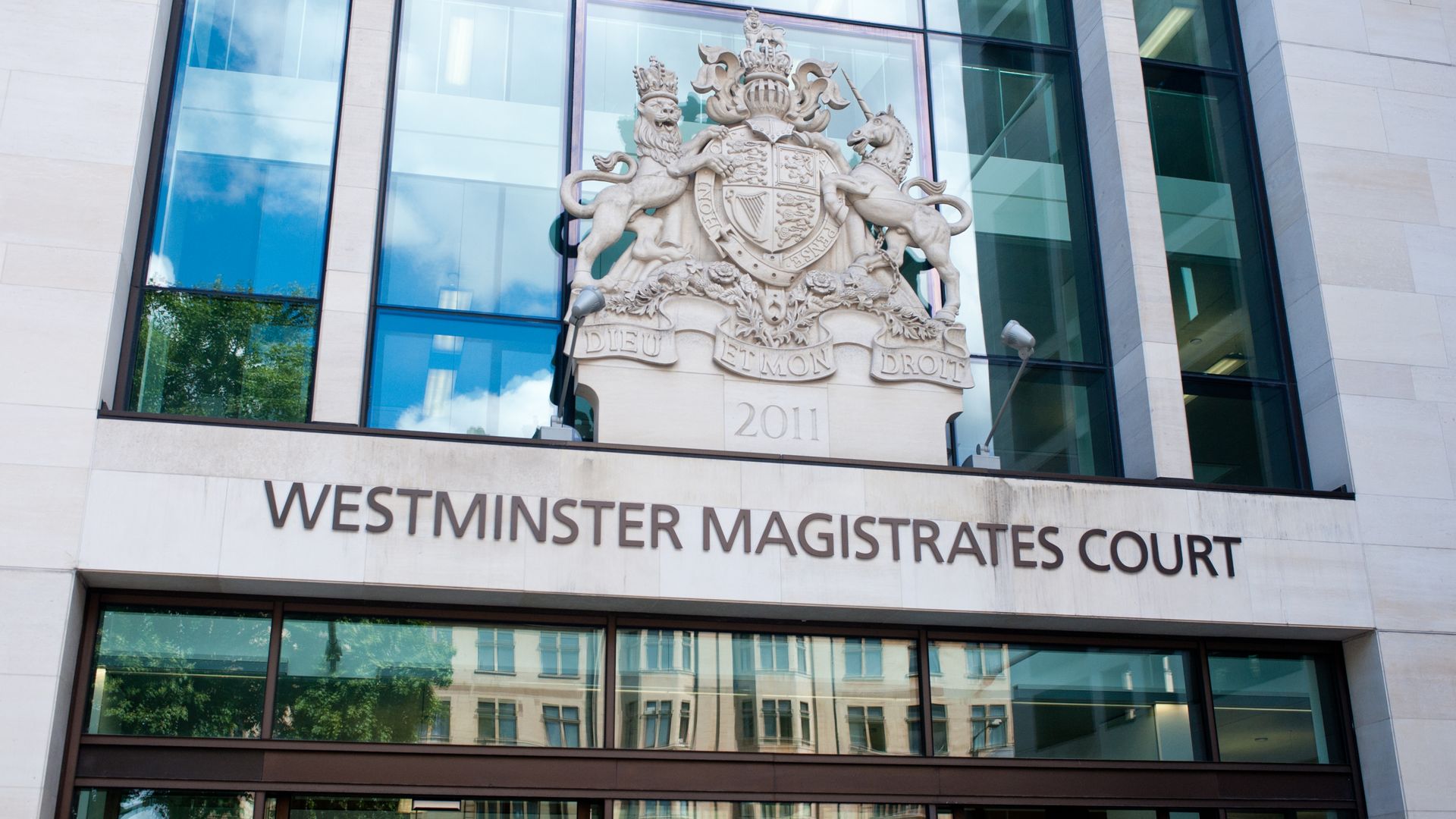
A man has been formally charged with providing assistance to the intelligence service of the Islamic Republic of Iran. While specific details surrounding the arrest remain limited, authorities confirm that the investigation followed careful scrutiny by counterintelligence units within the Metropolitan Police Service.
The charge indicates that the individual allegedly engaged in activities that supported or facilitated the objectives of Iranian intelligence, raising concerns about national security and the protection of sensitive information. Law enforcement agencies emphasize that such breaches threaten both public safety and the integrity of democratic institutions.
Context: Iranian Intelligence Operations in the UK
This incident occurs against a backdrop of heightened vigilance over foreign intelligence efforts in the United Kingdom. Iranian intelligence agencies have long been suspected of conducting covert operations, including surveillance, infiltration, and recruitment within Western countries. Their activities often target political dissidents, academic circles, and government institutions.
The UK government and security services have repeatedly warned about the risks posed by foreign espionage, particularly from nations like Iran. Recent years have seen several high-profile cases involving alleged Iranian operatives, prompting increased counterintelligence measures and diplomatic challenges.
Understanding the broader implications requires recognizing that intelligence services operate globally to advance their national interests. The arrest serves as a reminder of the ongoing contest between states in cyberspace, espionage, and influence operations.
Why This Matters: National Security and Public Awareness
Charging an individual with assisting a foreign intelligence service underscores the delicate nature of national security in an interconnected world. It reveals the complexity behind safeguarding sensitive information and the continuous efforts by security agencies to detect and disrupt foreign interference.
For the public, this case highlights the importance of vigilance and awareness regarding espionage risks. It also reinforces the crucial role of law enforcement and intelligence agencies in protecting the country from covert threats that can undermine trust and stability.
Moreover, such cases often prompt governments to review and strengthen policies related to counterintelligence, cybersecurity, and international cooperation. The balance between openness and security remains a central challenge for democratic societies facing sophisticated intelligence threats.
What Comes Next?
The accused will face legal proceedings as the investigation continues. Authorities are likely to pursue further inquiries to uncover any wider networks or additional individuals involved. The outcome of the case will provide greater clarity on the nature and extent of the alleged assistance rendered to Iranian intelligence.
Meanwhile, the Metropolitan Police and allied agencies will maintain heightened alertness to similar threats, ensuring rapid response and mitigation efforts. This case serves as a catalyst for ongoing vigilance against espionage activities and reinforces the commitment to uphold national sovereignty.
In summary, the charging of a man for assisting Iran’s intelligence service signals a critical moment in the UK’s counterintelligence efforts. It reflects the persistent challenges posed by foreign espionage and the necessity for robust security frameworks. As the legal process unfolds, this case will remain a focal point in the broader narrative of protecting the nation’s security interests against covert foreign influence.