

An Afghan migrant has admitted to a brutal, “frenzied” killing of a man, as well as stabbing both his landlord and a teenage boy, while reportedly experiencing a severe psychotic state. The shocking events unfolded in a case that has raised urgent questions about mental health interventions and public safety.
What Happened: A Violent Rampage During a Psychotic Break
The court heard that the accused, whose identity has been withheld for legal reasons, engaged in a violent outburst that resulted in the death of one individual. In addition to the fatality, the migrant also stabbed his landlord and a teenage boy during the same episode. The severity and randomness of the attacks highlighted the terrifying nature of his “psychotic state.”
Witnesses described the assault as “frenzied,” indicating a loss of control and extreme agitation. The term suggests that the violence was impulsive and chaotic, rather than premeditated. This distinction is crucial in legal contexts, especially when assessing criminal responsibility and the role of mental illness.
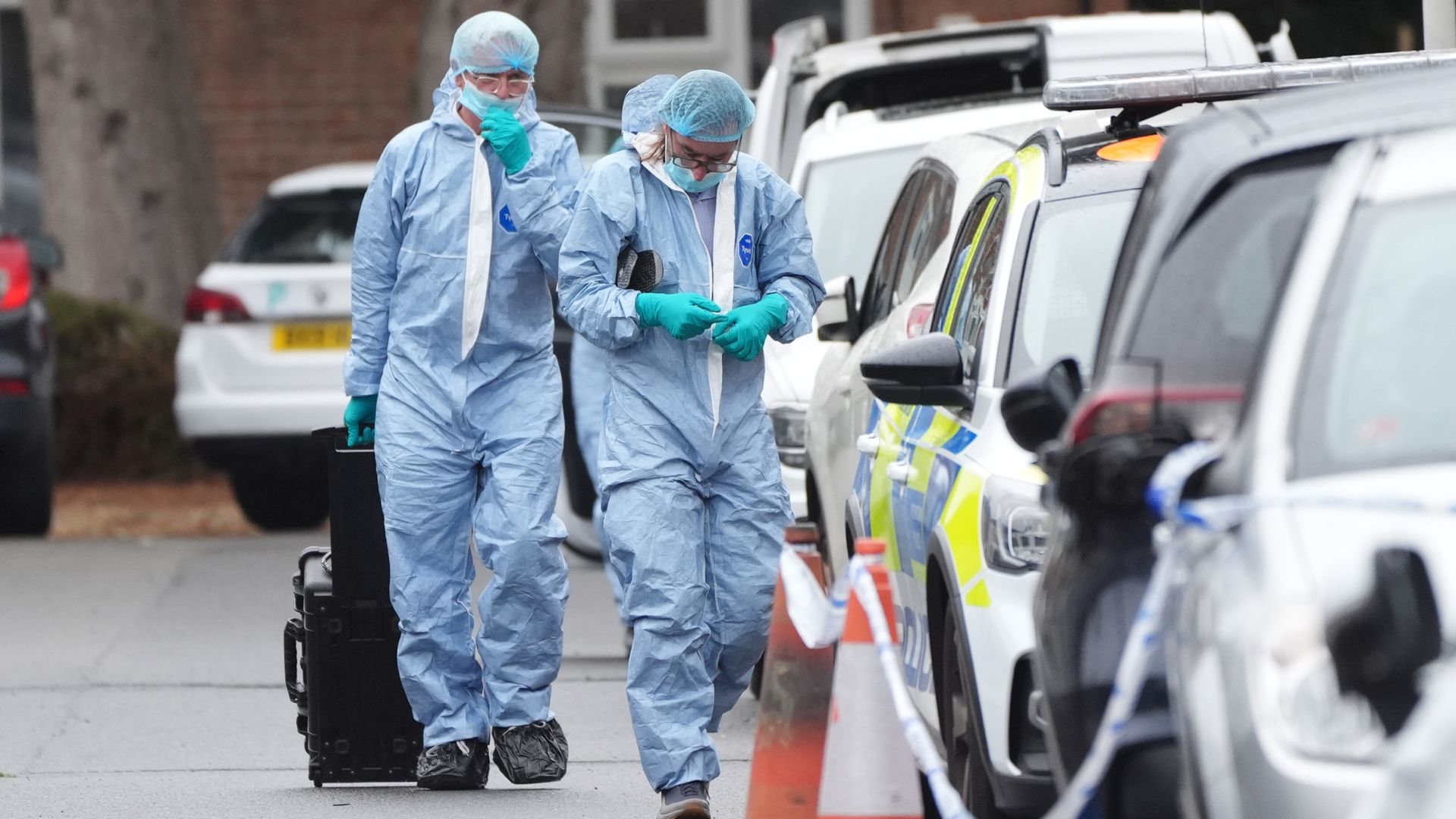
The Role of Mental Health: Psychosis and Criminal Responsibility
Psychosis is a mental health condition characterized by a disconnection from reality, which can include hallucinations, delusions, and impaired judgment. The court’s recognition that the accused was in a “psychotic state” during the attacks sheds light on the complexity of the case.
Legal experts emphasize that psychosis can significantly affect an individual’s ability to understand the nature or wrongfulness of their actions. In many jurisdictions, this can lead to verdicts such as “not guilty by reason of insanity” or affect sentencing decisions. However, it also raises concerns about the balance between justice for victims and appropriate treatment for offenders.
The involvement of multiple victims, including a landlord and a teenage boy, compounds the impact of the incident. Families and communities affected by such violence often demand clarity on how mental health crises are managed, especially when they result in harm to others.
Broader Implications: Migrant Integration and Mental Health Support
This case also touches on broader societal issues, including the challenges faced by migrants dealing with mental health conditions in unfamiliar and stressful environments. Migrants often encounter barriers to accessing healthcare, including mental health services, due to language, cultural differences, and systemic obstacles.
Addressing these challenges requires coordinated efforts between healthcare providers, social services, and immigration authorities. Early intervention in mental health crises can prevent tragedies, while also supporting migrants’ successful integration into their new communities.
Experts advocate for expanded mental health screenings and support systems tailored to vulnerable populations, including migrants. Such measures could identify individuals at risk and provide timely treatment, potentially averting violent incidents.
What This Means: Balancing Justice, Safety, and Compassion
The confession of the Afghan migrant to this violent episode underscores the urgent need for nuanced approaches that balance legal accountability with mental health considerations. It also highlights the necessity for improved mental health infrastructure, particularly for at-risk groups like migrants.
Communities and policymakers must grapple with how to protect public safety while ensuring individuals suffering from severe mental illnesses receive appropriate care rather than solely punitive measures. This case serves as a stark reminder of the human and societal costs when those systems fail.
As the legal process continues, the focus will remain on delivering justice for victims while exploring how mental health interventions can be strengthened to prevent similar tragedies in the future.
The full details of the case and forthcoming court decisions have not yet been released.