

Underwater forests of seagrass along the British coastline face a severe threat from sewage and agricultural pollution, new research reveals. Excessive nutrient runoff from sewage, fertilisers, manure, and industrial wastewater is triggering a drastic decline in marine biodiversity, particularly among small invertebrates that play a crucial role in these fragile ecosystems.
The Hidden Crisis in Seagrass Meadows
Seagrass meadows are not just underwater plants; they are vital coastal habitats that support an astonishing diversity of marine life. These flowering plants thrive in shallow, sheltered coastal waters, forming dense underwater meadows often described as “underwater forests” due to their ecological complexity and importance.
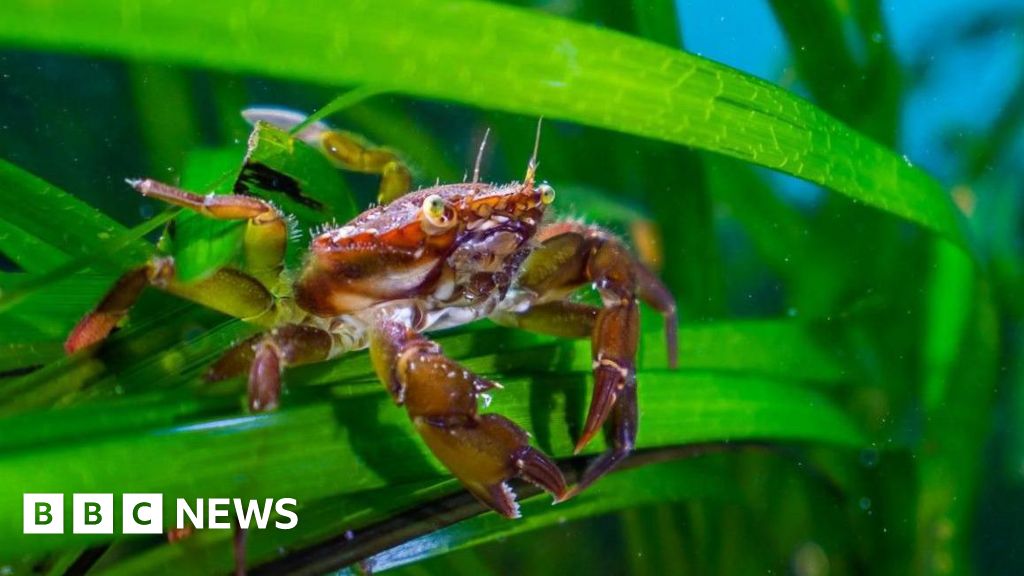
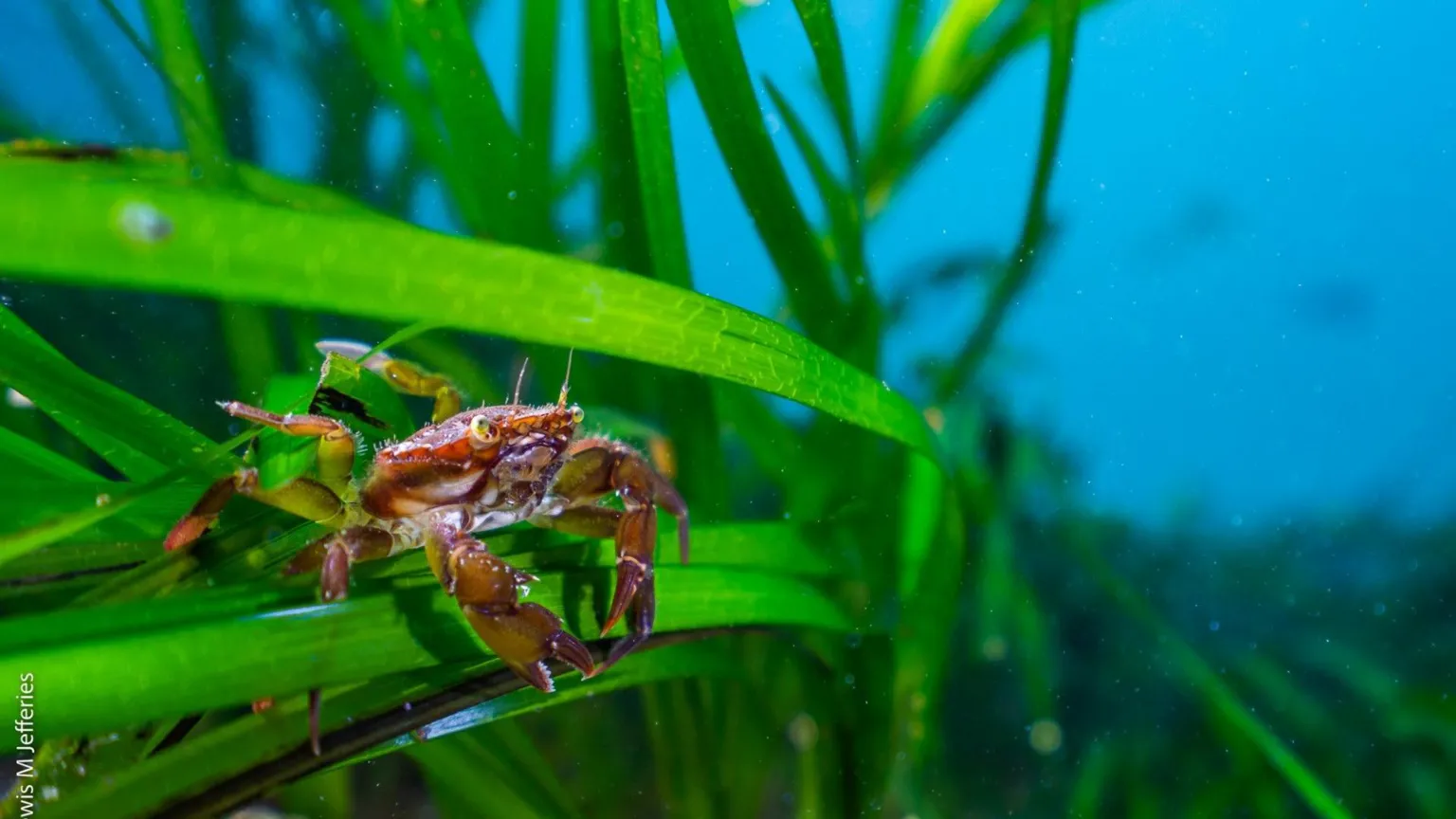
Research conducted by Project Seagrass in collaboration with Swansea University has uncovered a disturbing trend: seagrass beds exposed to nutrient pollution host significantly fewer small invertebrates such as crabs, shrimps, and snails. These creatures are essential for maintaining the health and balance of the ecosystem.
Dr. Benjamin Jones from Project Seagrass highlighted the gravity of this impact. “People don’t want to swim in seas polluted by sewage,” he explained, “but this is one of the first studies showing that nutrient inputs are harming the animals living in these underwater forests as well.”
Why Seagrass Meadows Matter
Seagrasses perform critical environmental functions beyond supporting marine biodiversity. They act as natural carbon sinks, absorbing vast amounts of carbon dioxide from the atmosphere and helping to combat climate change. Scientists estimate that a single hectare of seagrass meadow can shelter up to 100 million invertebrates, underscoring their role as biodiversity hotspots.
However, nutrient pollution disrupts this balance. Excess nitrogen and phosphorus from sewage and agricultural runoff stimulate algal blooms that block sunlight, suffocating seagrasses and reducing oxygen levels. This degradation harms the tiny creatures that depend on seagrass for food and shelter, shrinking their populations and diversity.
What the Future Holds and Why It Matters
The decline of seagrass meadows poses a serious risk not only to marine biodiversity but also to coastal communities relying on healthy seas for fishing, tourism, and protection against erosion. The loss of invertebrates disrupts food webs and weakens the resilience of marine ecosystems.
Addressing this issue requires stringent regulation of wastewater treatment and agricultural practices to reduce nutrient runoff. Protecting seagrass habitats is essential for preserving marine life, supporting climate mitigation efforts, and maintaining the natural beauty and productivity of the UK’s coastal waters.
Dr. Jones emphasizes the urgency: “Seagrass beds are vital underwater forests that sustain vast ecosystems. Their decline signals a broader environmental crisis that demands immediate action.”

As awareness grows, policymakers, scientists, and communities must collaborate to curb pollution and restore these underwater forests. The health of seagrass meadows reflects the health of the entire marine environment—and ultimately, the wellbeing of future generations.