

In the remote reaches of southeast Alaska, a colossal natural disaster unfolded last summer, creating one of the tallest megatsunamis ever documented. This extraordinary event, triggered by a massive mountain landslide, generated a towering wave nearly 500 meters high—making it the second largest tsunami ever recorded worldwide. Beyond its sheer scale, the disaster highlights the growing dangers linked to accelerating glacier melt in a warming climate.
The Catastrophic Landslide and Wave
In the early hours of a quiet morning, an enormous chunk of the mountainside at Tracy Arm Fjord suddenly gave way. Approximately 64 million cubic meters of rock—the equivalent volume of 24 Great Pyramids of Giza—plunged into the glacial fjord below. This rapid landslide, occurring in less than a minute, unleashed a colossal wave that surged through the fjord with devastating force.
The resulting megatsunami reached an astonishing height of almost 500 meters (approximately 1,640 feet), dwarfing most known tsunamis in recorded history. Scientists have since confirmed this wave as the second tallest ever observed, underscoring the immense power generated by sudden geological events in glacial landscapes.
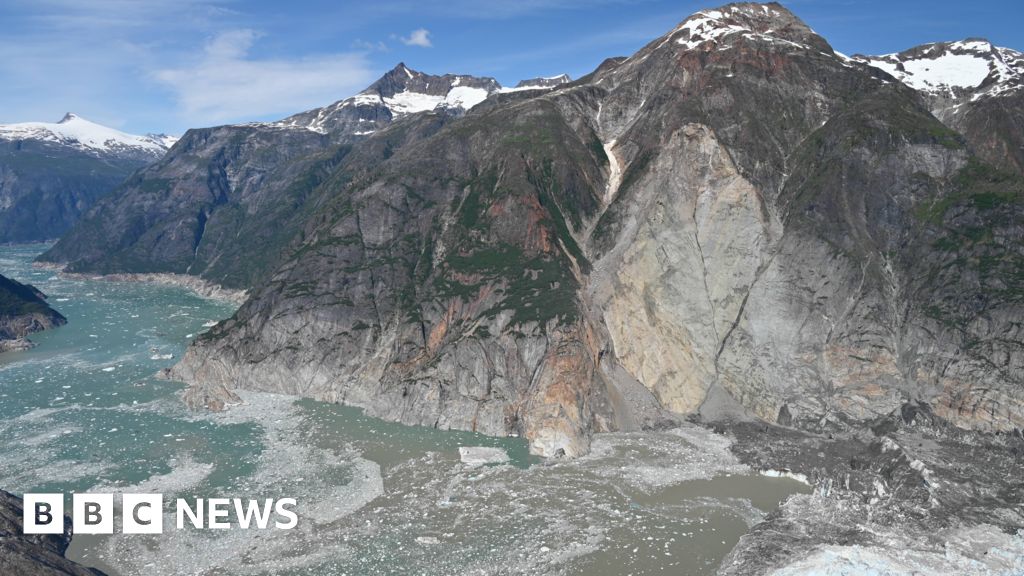
Remarkably, the timing of the megatsunami prevented a far worse tragedy. Since the event occurred in the early morning hours, when few people were present, it narrowly avoided impacting tourist cruise ships that regularly navigate these scenic waters during daylight. Had the wave struck during peak tourism hours, casualties and destruction could have been catastrophic.
Scientific Insights and Geological Context
Geologists have emphasized that this disaster is a direct symptom of environmental changes affecting Alaska’s rugged terrain. Glacier retreat and melting destabilize mountain slopes, increasing the likelihood of massive landslides. In this case, the dislodged rock mass caused a sudden displacement of water so enormous it created the world’s second tallest tsunami.
Dr. Bretwood Higman, a respected Alaskan geologist who inspected the aftermath on site, described the event as “a close call.” He noted the narrow margin by which human lives were spared, emphasizing the need for vigilance in monitoring such unstable regions. “We know that there were people that were very nearly in the wrong place,” Dr. Higman said. “I’m quite terrified that we’re not going to be so lucky in the future.”
His warnings echo broader scientific concerns about the risks posed by climate change-induced geological instability. Melting glaciers strip away support from mountain slopes, making massive rockfalls and subsequent megatsunamis more frequent and potentially deadlier.
Why This Megatsunami Matters
This unprecedented event serves as a stark reminder of the complex hazards emerging in glacial environments worldwide. Alaska’s fjords, prized for their natural beauty and popular with tourists, are also vulnerable to sudden geological upheavals amplified by climate shifts.
Understanding the causes and consequences of this megatsunami is crucial for improving early warning systems and disaster preparedness. As glaciers continue to retreat globally, similar landslides could trigger waves of comparable or even greater magnitude, threatening coastal communities, infrastructure, and ecosystems.
Moreover, the event highlights the urgent need for comprehensive geological monitoring in regions affected by climate change. Scientists advocate for deploying advanced sensors and real-time observation tools to detect unstable slopes before they collapse, potentially saving lives.
For policymakers and local authorities, this megatsunami underscores the importance of integrating climate resilience into coastal and tourism planning. Strategically managing visitor access and enhancing emergency response capabilities will be vital to mitigating the risks posed by future megatsunamis.
Looking Ahead
The Alaska megatsunami is a powerful example of nature’s sudden, unpredictable fury intensified by environmental change. Its near-miss with human tragedy serves as a chilling warning that such disasters are not just geological curiosities but real threats with potentially devastating consequences.
As glaciers continue to melt and mountains grow more unstable, the likelihood of future megatsunamis increases. This event compels scientists, governments, and communities to prioritize preparedness and resilience in vulnerable regions. Ensuring that early detection systems are in place and that public awareness is heightened may mean the difference between survival and catastrophe when the next colossal wave strikes.