Amazon has revolutionised retail logistics in the UK by becoming the first company to launch a drone delivery service, starting with a limited rollout in Darlington, County Durham. This cutting-edge initiative marks a significant milestone in how everyday shopping parcels reach customers, promising unprecedented speed and convenience.
How Amazon’s Drone Delivery Works
Amazon’s drone delivery service targets packages weighing under 5 pounds (2.2 kilograms), focusing on everyday essentials and smaller parcels. These items are dispatched from Amazon’s local fulfilment centre and delivered within a 7.5-mile (12-kilometre) radius. Impressively, recipients can receive their packages in as little as two hours after placing an order.

The drones operate with remarkable efficiency, capable of completing up to ten flights per hour. This translates to a maximum of about 100 deliveries per weekday during this initial phase. Amazon plans to gradually scale up the operation as demand for ultra-fast delivery continues to surge among consumers.

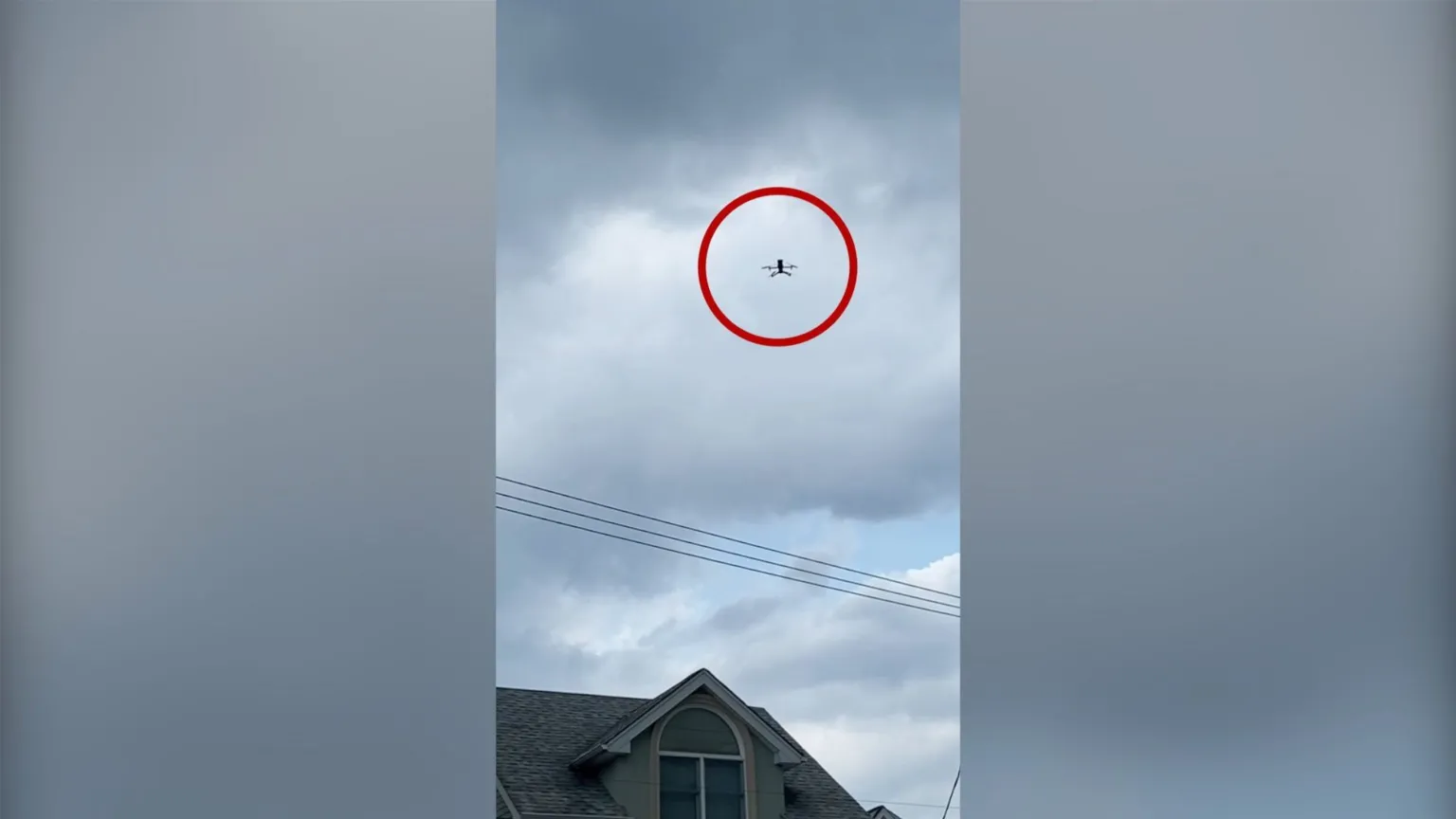
While this launch represents a cautious start, it positions Amazon at the forefront of integrating drone technology into everyday retail logistics in the UK. This pilot project also provides valuable data and insights to refine the technology and delivery protocols before wider deployment.

Drone Delivery in the UK: A Growing Trend
Amazon’s entry into drone deliveries complements a broader trend of drone use in the UK’s logistics and healthcare sectors. The NHS has been trialling drones to transport blood supplies rapidly across London, ensuring critical medical materials reach hospitals faster than traditional methods allow. Meanwhile, Royal Mail employs drones to deliver packages to remote communities in Orkney, demonstrating drones’ ability to overcome geographical challenges.

Despite these early applications, Amazon’s service stands out as the first to utilize drones for routine consumer shopping deliveries rather than specialised or emergency supplies. Currently, Darlington is the only UK location outside of the United States where Amazon has launched drone deliveries, underscoring the experimental nature of this rollout.


Why Amazon’s Drone Delivery Matters
This limited launch in Darlington signals a broader shift toward integrating autonomous aerial vehicles within mainstream commerce. Consumers today demand faster, more reliable delivery options, and drones could dramatically reduce delivery times while easing road congestion and lowering carbon emissions compared to traditional delivery trucks.

Amazon’s ability to conduct multiple flights per hour can alleviate pressure on conventional delivery networks, especially during peak shopping periods. Additionally, drones can access hard-to-reach or congested urban areas more efficiently, offering a glimpse into the future of urban logistics.

However, the service remains in its infancy. Amazon continues rigorous testing to ensure safety, reliability, and regulatory compliance. Factors such as weather, airspace restrictions, and privacy concerns will shape the pace and extent of this technology’s rollout.


What’s Next for Drone Deliveries in the UK?
Amazon’s initial success in Darlington lays the foundation for potential expansion to other cities and regions across the UK. As drone technology matures and regulatory frameworks adapt, we can expect more retailers to explore drone delivery as a competitive advantage.
For consumers, this innovation means quicker access to products, especially essential items, transforming the shopping experience. For the logistics industry, it represents a technological evolution that could redefine last-mile delivery.

While the current capacity caps deliveries at around 100 per day, improvements in drone technology and operational logistics will likely increase this volume, making drone delivery a viable alternative to traditional methods.

Looking Ahead
Amazon’s pioneering drone delivery service in Darlington is a bold step toward the future of retail logistics in the UK. By harnessing cutting-edge technology, the company aims to meet rising consumer expectations for speed and convenience.

As the service expands, it could reshape how goods move within urban and rural environments, promoting efficiency and sustainability. While challenges remain, Amazon’s initiative provides a compelling glimpse into a future where drone deliveries become a common part of everyday life.

Full details of the service’s long-term rollout and expansion plans have yet to be disclosed, but the Darlington launch firmly establishes Amazon as a trailblazer in UK drone delivery.