

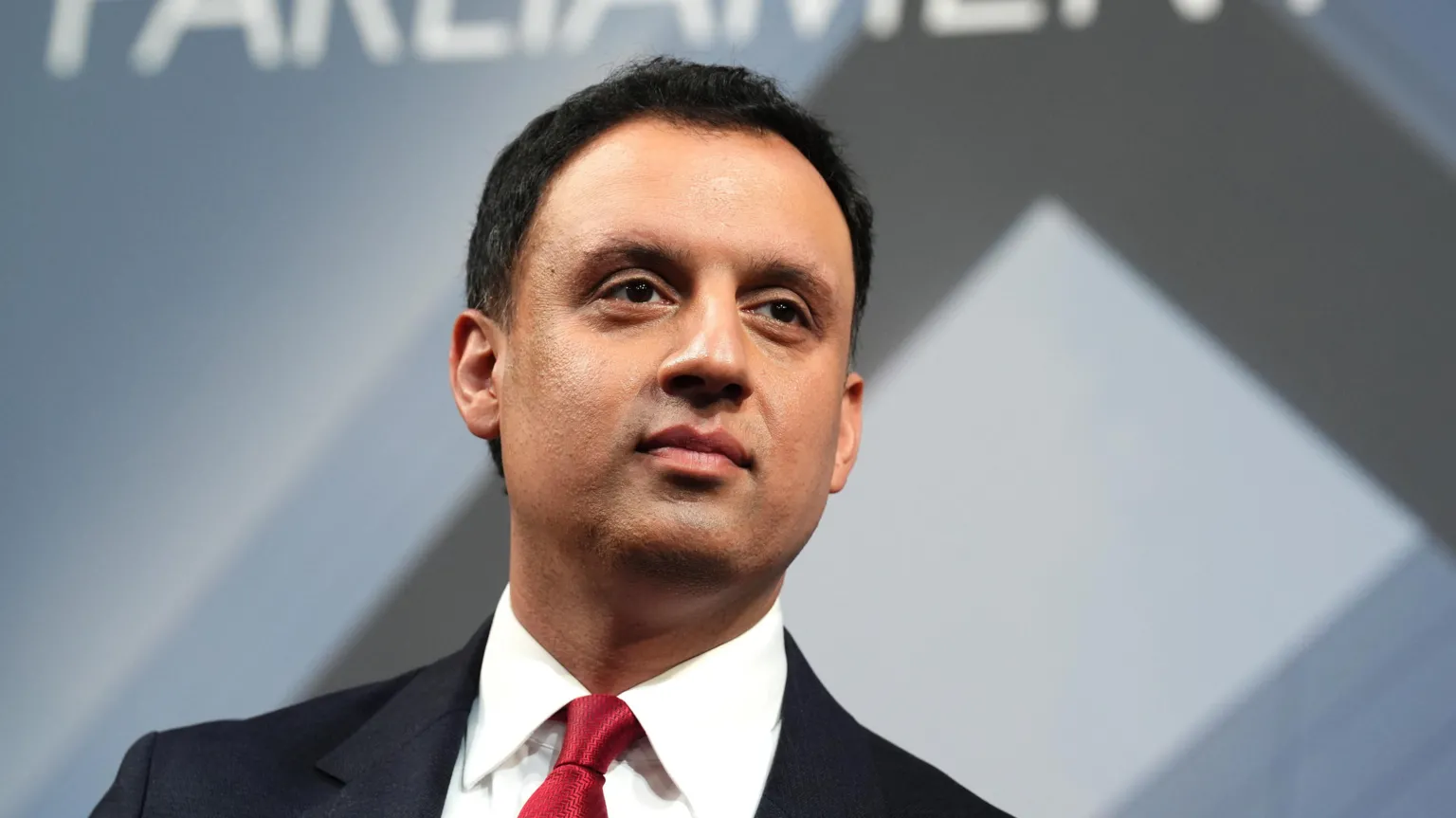
Anas Sarwar has firmly committed to staying on as leader of Scottish Labour despite the party’s disappointing performance in the recent Scottish Parliament elections. Confronted with mounting pressure and calls for leadership change, Sarwar reiterated his resolve and accepted full responsibility for the campaign strategy, signaling his intent to focus on rebuilding the party’s future in Scotland.
What Happened: Election Results and Sarwar’s Response
The 2026 Scottish Parliament election delivered a difficult outcome for Scottish Labour, which failed to break through a powerful national trend favoring other parties. Sarwar acknowledged that the party’s approach—targeting specific constituencies rather than emphasizing the party list vote—did not resonate with voters as hoped.
“I said what I said back in February, I am not recoiling from that,” Sarwar declared, reaffirming his stance amid questions about his leadership. He described the election result as both “disappointing and hurtful,” underscoring the emotional toll the defeat took on the party and himself personally.
Despite the setbacks, Sarwar stood by his campaign team, praising co-chairs Jackie Baillie and Douglas Alexander for their efforts. “They did a good job in this election campaign,” he emphasized, signaling unity within the party ranks even in the face of adversity.

Why It Matters: The National Wave and Labour’s Challenges
Scottish Labour’s struggles in the election were not solely due to internal campaign decisions but also reflected a broader national dynamic. Sarwar pointed to a “big national wave” that swept over the political landscape—an atmosphere shaped by public sentiment and national issues beyond the party’s control.
“This election didn’t come down to big ideas. It came down to a big national wave and a general vibe that we couldn’t change,” Sarwar explained, highlighting the challenge of competing against prevailing public opinions and narratives.
Former Scottish Labour leader and ex-First Minister, Lord Jack McConnell, offered his perspective on the election outcome, attributing the party’s poor performance partly to widespread public disappointment with the UK government. He also cited a flawed campaign strategy that failed to effectively engage voters in a complicated political environment.
Campaign Strategy Under Scrutiny
Sarwar openly accepted responsibility for focusing Labour’s efforts on winning constituency seats rather than prioritizing the list vote, a strategic choice that ultimately did not yield the desired results. This decision has sparked debate within the party about how best to appeal to Scotland’s diverse electorate moving forward.
What Comes Next: Sarwar’s Vision and Scottish Labour’s Path Forward
Despite the clear challenges ahead, Sarwar remains focused on steering Scottish Labour through this critical period. He has signaled an intent to analyze the election lessons deeply and to recalibrate the party’s approach to reconnect with voters across Scotland.
His determination to stay on as leader suggests a commitment to long-term recovery rather than immediate resignation or leadership upheaval. Sarwar’s leadership will be tested as the party seeks to regain relevance and counterbalance the dominance of rival parties in Scottish politics.
Ultimately, this election outcome serves as a pivotal moment for Scottish Labour, highlighting the need for strategic innovation and stronger engagement with the electorate. Sarwar’s acknowledgment of responsibility and his vow to continue leading provide a clear message: the party must learn from its setbacks to build a more effective opposition and present a compelling alternative to voters.
What this means is that Scottish Labour faces an uphill battle but also an opportunity. With a renewed focus on strategy and leadership stability under Sarwar, the party can work to overcome the “national wave” that disrupted its campaign, aiming to reclaim influence in Scotland’s complex political landscape.