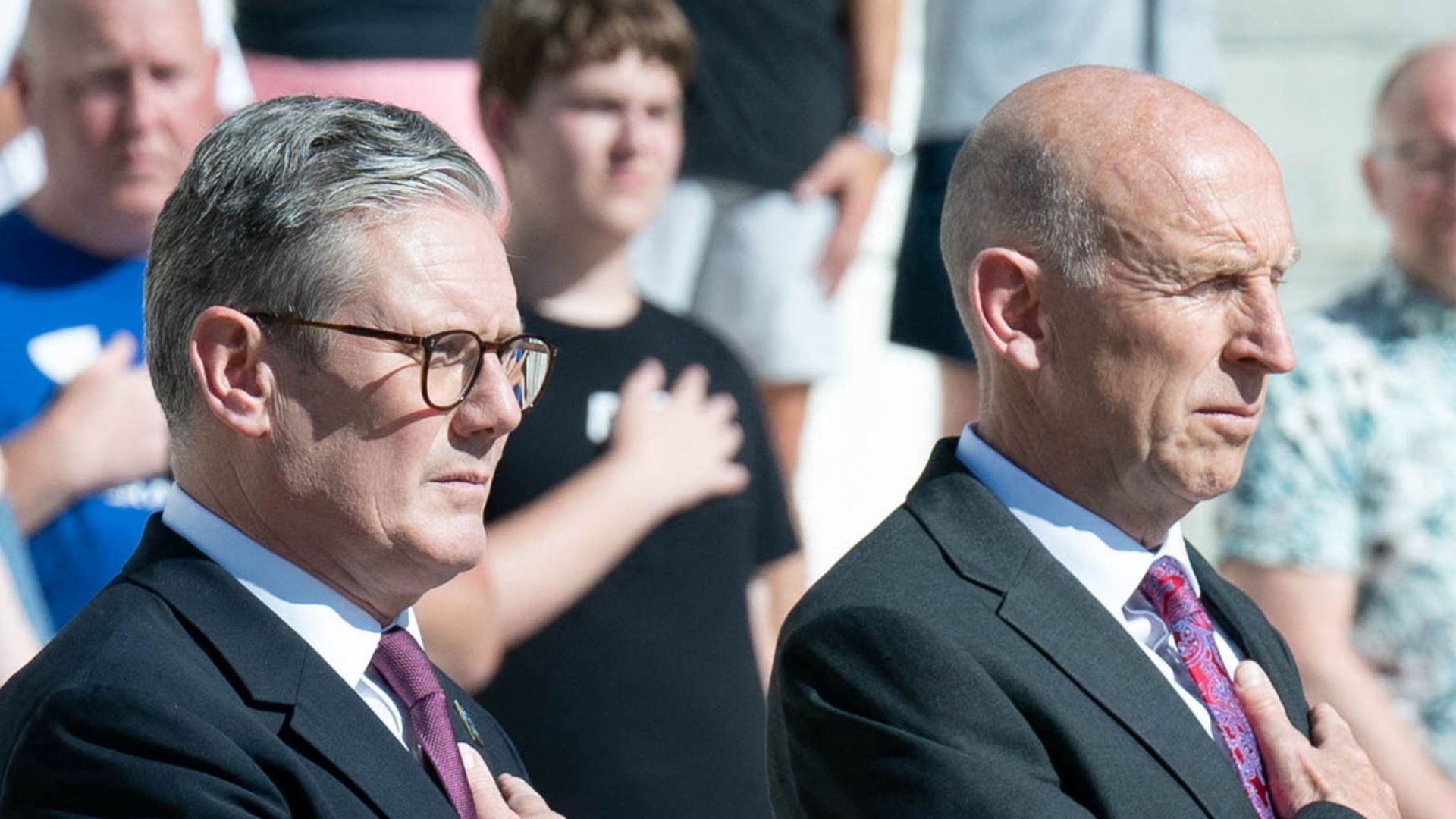
Sir Keir Starmer has suffered a significant blow to his leadership as both his Defence Secretary and Armed Forces Minister have resigned, triggering a wave of uncertainty within his administration. These high-profile departures mark a critical moment for the Labour leader, raising questions about the stability and direction of his government moving forward.
What Happened: Key Resignations Shake Starmer’s Cabinet
The resignation of the Defence Secretary deals a “massive body blow” to Sir Keir Starmer’s cabinet, stripping away a crucial member responsible for national security and military policy. This unexpected exit was swiftly followed by the Armed Forces Minister stepping down, compounding the leadership crisis within the defence portfolio.
These resignations come amid growing pressures on Starmer’s administration to consolidate authority and present a united front on defence matters. The Defence Secretary and Armed Forces Minister roles are pivotal in shaping military strategy, overseeing defence spending, and maintaining the UK’s global security commitments. Their simultaneous departures disrupt continuity in these essential functions.
Why It Matters: Implications for National Security and Political Stability
The sudden loss of two senior defence officials exposes vulnerabilities in Starmer’s leadership, particularly as the UK navigates complex geopolitical challenges. In an era marked by tensions with global powers and ongoing military engagements, the absence of key defence figures may hamper the government’s ability to respond decisively.
Furthermore, these resignations could signal deeper divisions within the Labour Party or dissatisfaction with Starmer’s policies, potentially destabilizing his efforts to rebuild trust and credibility after years in opposition. The defence sector holds immense strategic importance, and leadership gaps risk undermining public confidence and international alliances.
Impact on the Armed Forces and Policy Direction
With the Armed Forces Minister also stepping down, questions arise about the future direction of military operations, veterans’ affairs, and defence procurement. The armed forces require steady, experienced oversight to maintain readiness and morale, especially in times of rapid geopolitical change.
Observers will be closely monitoring how swiftly Starmer can appoint replacements and whether these transitions will affect ongoing defence initiatives or legislative priorities. The government’s ability to project strength and stability hinges on effective leadership in these critical roles.
What Comes Next: Challenges for Starmer’s Government
Sir Keir Starmer now faces the daunting task of restoring confidence both within his party and among the public. Filling the defence secretary and armed forces minister posts with capable, trusted individuals will be a priority to demonstrate resilience and maintain momentum on national security issues.
The ripple effect of these resignations may prompt further scrutiny of Starmer’s cabinet and policy agenda, increasing pressure to address internal dissent and unify his team. Political opponents are likely to capitalize on perceived weaknesses, making it essential for Starmer to act decisively.
In the broader context, these developments underscore the challenges of governing during turbulent times. Defence remains a cornerstone of national policy, and leadership disruptions highlight the delicate balance between political stability and effective governance.
Takeaway: A Critical Juncture for Starmer’s Leadership
Sir Keir Starmer’s loss of his defence secretary and armed forces minister represents more than just personnel changes—it signals a pivotal moment in his premiership. The stakes are high, with national security and political cohesion hanging in the balance.
How Starmer navigates this crisis will shape perceptions of his leadership strength and his government’s capability to manage the UK’s defence priorities amid an increasingly complex global landscape. Swift, strategic appointments and clear policy direction will be vital to turning this setback into an opportunity for renewal.