Water utilities across the country face mounting pressure to ramp up their response as experts warn the current drought conditions could stretch well into next year. This prolonged dry spell poses serious risks to water supplies, agricultural productivity, and the environment, demanding urgent and sustained action from water companies and policymakers alike.
Current Drought Situation and Its Implications
Regions across the nation have been grappling with below-average rainfall for months, leading to critically low reservoir levels and depleted groundwater reserves. The ongoing drought has already forced several water companies to implement strict usage restrictions, including limits on outdoor watering, car washing, and other non-essential water use.
Despite these measures, meteorological forecasts indicate that the dry conditions may not ease before the end of the year. This raises the specter of a drought extending into 2025, which could exacerbate water scarcity and strain infrastructure designed to meet demand under more typical weather patterns.
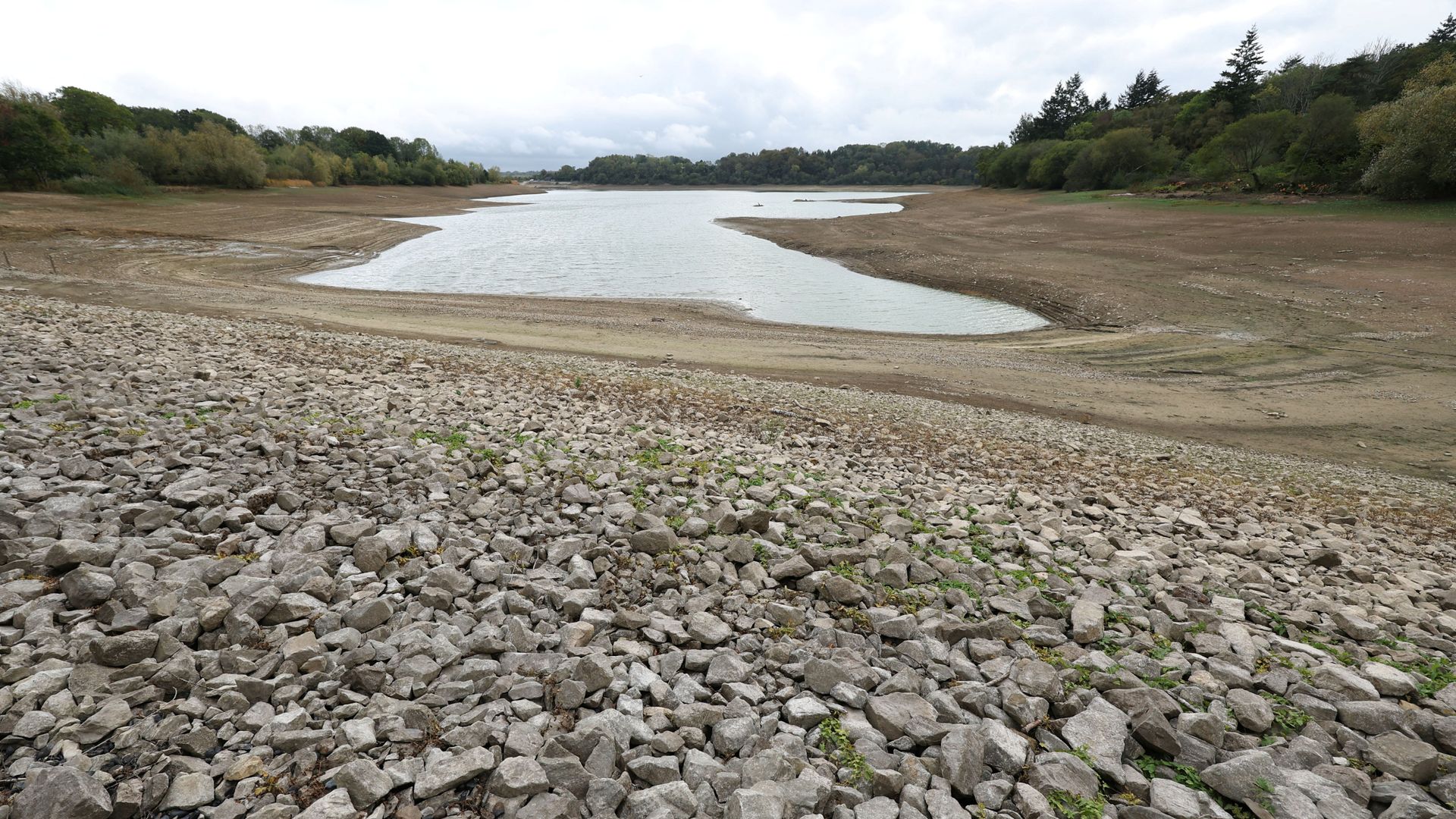
The persistence of drought has far-reaching consequences beyond immediate water shortages. Agricultural sectors face crop failures and reduced yields, threatening food security and farmers’ livelihoods. Additionally, natural ecosystems dependent on consistent water flows risk irreversible damage, impacting biodiversity and increasing wildfire risks.
Water Companies’ Responsibilities and Challenges
Water firms are being called upon to take a more proactive stance in managing dwindling supplies. This includes accelerating investments in infrastructure upgrades, expanding water recycling programs, and enhancing leak detection and repair efforts to minimize water loss.
Moreover, water companies must engage in robust public communication campaigns to encourage conservation behaviors among consumers. Educating households and businesses about efficient water use is critical to reducing demand during prolonged dry spells.
However, these firms face logistical and financial hurdles. Upgrading aging infrastructure and deploying new technologies require substantial funding, often necessitating regulatory approval and public support. Balancing these demands while maintaining affordable water prices adds to the complexity of their response efforts.
Government and Policy Actions
Government agencies are also stepping in to support water companies and communities. Emergency funding packages, drought preparedness programs, and revised water management policies aim to bolster resilience against extended dry periods.
Policymakers emphasize the need for a coordinated approach that includes sustainable water resource planning, investment in alternative water sources like desalination, and the promotion of water-efficient appliances and landscaping.
Additionally, there is growing recognition of the importance of integrating climate change projections into water management strategies to better anticipate and mitigate future drought risks.
Why This Matters and What Lies Ahead
The warning to water companies underscores a critical moment for water resource management. Prolonged drought conditions threaten not only the availability of clean drinking water but also the stability of economies and ecosystems. Without decisive action, the consequences could be severe and long-lasting.
For residents, this means continued vigilance and cooperation in conserving water. For water companies and governments, it requires innovation, investment, and a commitment to sustainable water stewardship.
While uncertainties remain about the precise duration and severity of the drought, the clear message is that preparation and response efforts must intensify immediately. Addressing these challenges head-on will be vital to safeguarding water security now and into the future.