The Met Office has issued a significant yellow warning for snow covering a vast area of the United Kingdom, signaling potential travel chaos and hazardous conditions ahead. Residents and commuters should prepare for icy roads and possible delays as winter weather grips much of the country.
What the Snow Warning Entails
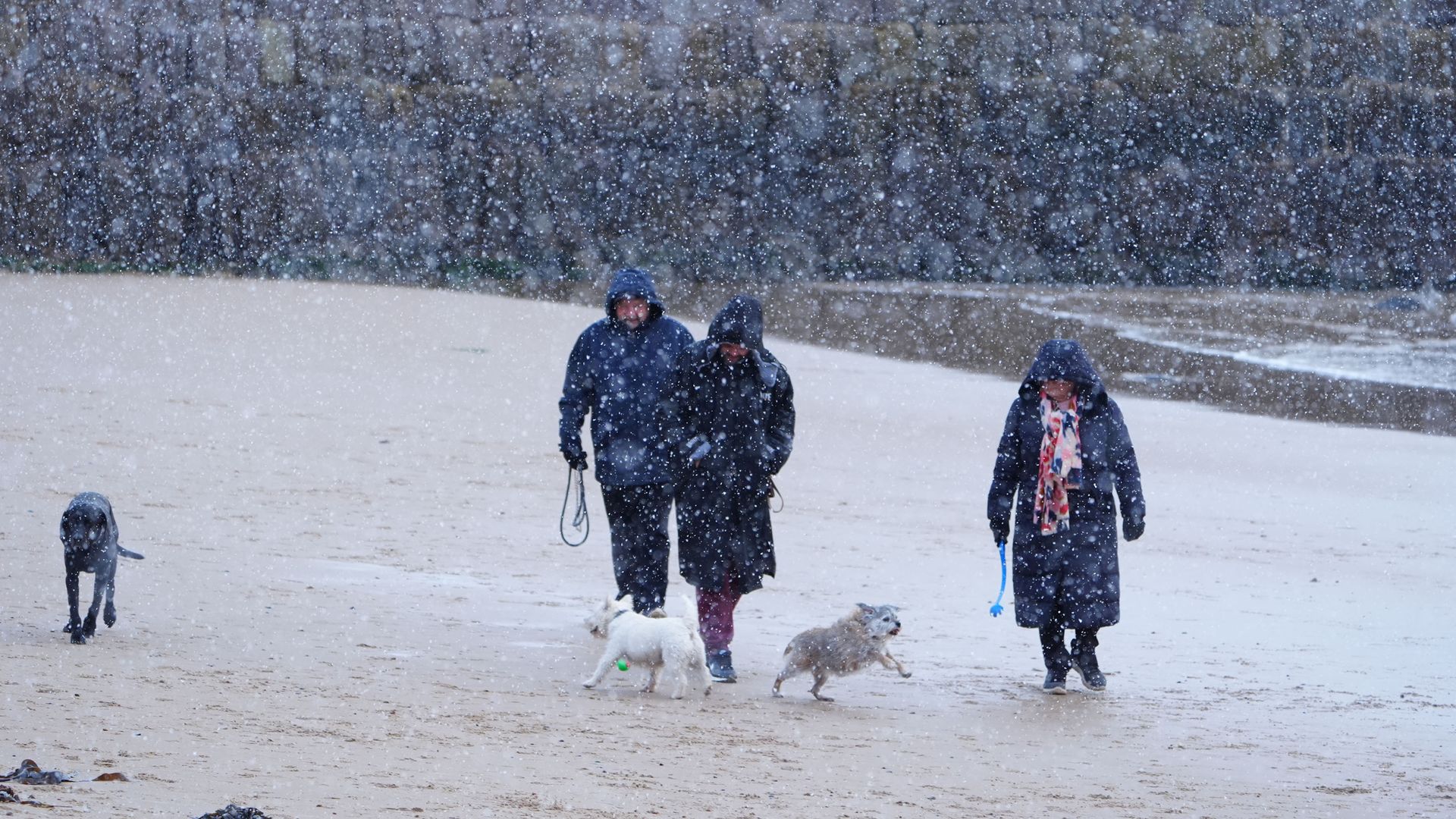
The yellow alert from the Met Office indicates that snow is expected to fall across large swathes of the UK, with accumulations sufficient to cause travel disruption. This advisory covers a broad geographic range, encompassing regions from northern England through central areas and parts of southern Britain. Motorists, public transport users, and pedestrians alike face increased risks due to slippery surfaces and reduced visibility.
Snowfall of this nature can lead to dangerous driving conditions, including black ice formation and obstructed roadways. The warning urges people to exercise caution, allow extra journey time, and stay up to date with weather and traffic reports. Local authorities and emergency services often ramp up preparations during these alerts to manage incidents and keep vital routes open.
Impact on Travel and Daily Life
Travel disruption is a key concern during such weather events. Roads may become impassable in certain areas, especially on rural or elevated routes where snow can settle more heavily. Public transport networks—ranging from buses to trains—may experience delays or cancellations as operators contend with icy tracks and hazardous conditions.
School closures or delayed openings are also possible as local councils assess safety for students and staff. Commuters should anticipate longer journeys and adjust plans accordingly, possibly considering remote work options if feasible.
Emergency services typically advise the public to avoid unnecessary travel during the height of snow events. Those who must travel should ensure their vehicles are winter-ready, carrying essentials such as warm clothing, food, and water in case of being stranded.
Why This Matters: Broader Implications of Winter Weather
Snow warnings like this one highlight the ongoing challenges that winter weather poses to infrastructure and daily routines. Beyond immediate travel issues, heavy snow can impact supply chains, emergency response times, and even healthcare accessibility in affected areas.
Understanding and heeding official weather warnings helps communities prepare and respond effectively, minimizing disruptions and risks. The yellow warning serves as a critical signal to individuals, businesses, and local authorities to prioritize safety and readiness.
As climate patterns continue to fluctuate, the frequency and intensity of such winter weather events may shift, underscoring the importance of resilient infrastructure and proactive planning.
Looking Ahead: Staying Safe and Prepared
With the snow warning in effect, vigilance remains essential. Monitoring updates from the Met Office and local news outlets will provide the latest information on weather developments and any changes to the advisory status.
Residents should review their winter preparedness plans, ensuring adequate supplies and understanding alternative travel routes. Community support networks can also play a vital role in assisting vulnerable individuals during periods of severe weather.
Ultimately, this snow warning is a call to action for everyone across the UK to stay informed, stay safe, and take practical steps to mitigate the impacts of winter’s reach.