Andy Burnham has emerged as a compelling figure in British politics, often dubbed the “King of the North” and widely viewed as Labour’s best hope for revitalization. Yet his journey has been marked by setbacks, fierce loyalty to the North, and a determined push to reclaim Labour’s leadership at a time when the party struggles to regain voter confidence.
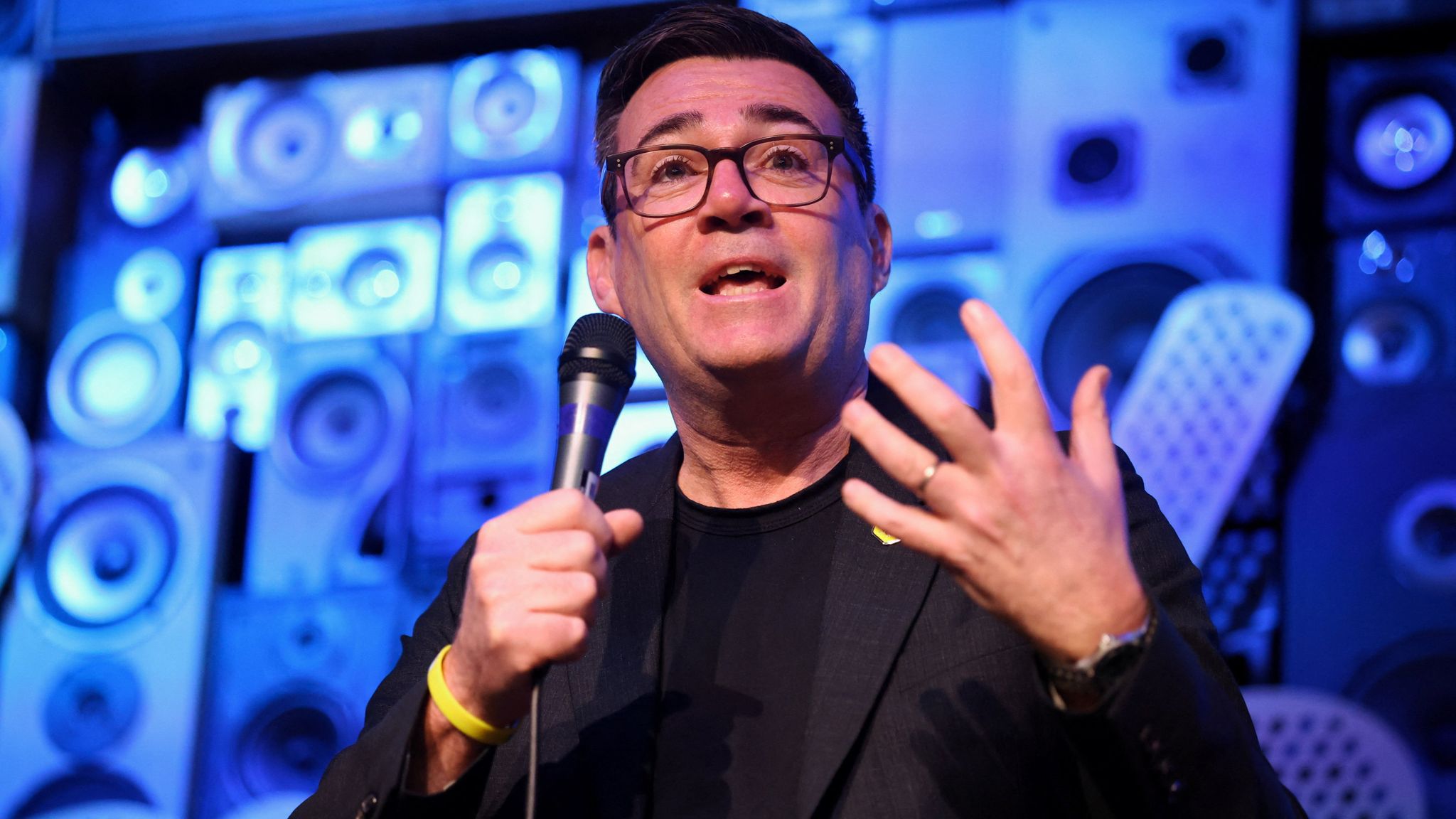
From Special Adviser to Greater Manchester Mayor
Born in Aintree near Liverpool in 1970, Andy Burnham graduated from Cambridge before entering politics as a researcher for the late Tessa Jowell. Early in his career, he served as a special adviser to Chris Smith, the culture secretary during Tony Blair’s first government. In 2001, Burnham was controversially “parachuted” into the safe Labour seat of Leigh in Greater Manchester, a move he later criticized when running for party leadership in 2010.
Burnham’s parliamentary rise was swift. After securing his seat with a majority exceeding 16,000, he became a parliamentary aide to David Blunkett and held junior ministerial roles before joining Gordon Brown’s cabinet. His positions included Treasury Chief Secretary, Culture Secretary, and Health Secretary. These roles showcased his versatility but also exposed him to criticism, such as his initial reluctance to launch a public inquiry into care failures at Stafford Hospital.
His connection to his roots became deeply personal when, as Culture Secretary, he was heckled at Anfield during the 20th anniversary of the Hillsborough disaster. The experience galvanized his commitment to the bereaved families, ultimately helping secure a second inquiry that brought justice and closure to many.
Labour Leadership Ambitions and Mayoral Success
Burnham’s leadership ambitions date back to Labour’s 2010 defeat, when he ran for leader but placed fourth behind Ed Miliband, David Miliband, and Ed Balls. Undeterred, he remained influential in Labour’s shadow cabinet, serving as Education and Health Secretary, and tried again for leadership in 2015, finishing second to Jeremy Corbyn.
In 2017, Burnham pivoted to local government, winning the inaugural mayoral election for Greater Manchester with 63% of the vote. His tenure as mayor has been defined by a focus on “Manchester-ism”—a model emphasizing regional control and public ownership, exemplified by his move to return the city’s buses to public management. He also tackled pressing social issues like homelessness, although he admitted missing his 2020 target to end rough sleeping.
Burnham’s high-profile clashes with Boris Johnson over COVID-19 restrictions further boosted his national profile, earning him the “King of the North” nickname. He also led investigations into grooming gangs and sex abuse in Greater Manchester, pressing for a national inquiry.

Leadership Challenges and the Path Ahead
Despite Burnham’s popularity, his path back to Westminster has been rocky. In early 2026, he sought to stand as Labour’s candidate in the Gorton and Denton by-election but was blocked by a Labour National Executive Committee sub-committee, with only deputy leader Lucy Powell supporting him. Labour subsequently lost the by-election, with Burnham’s allies arguing his candidacy could have secured a win.
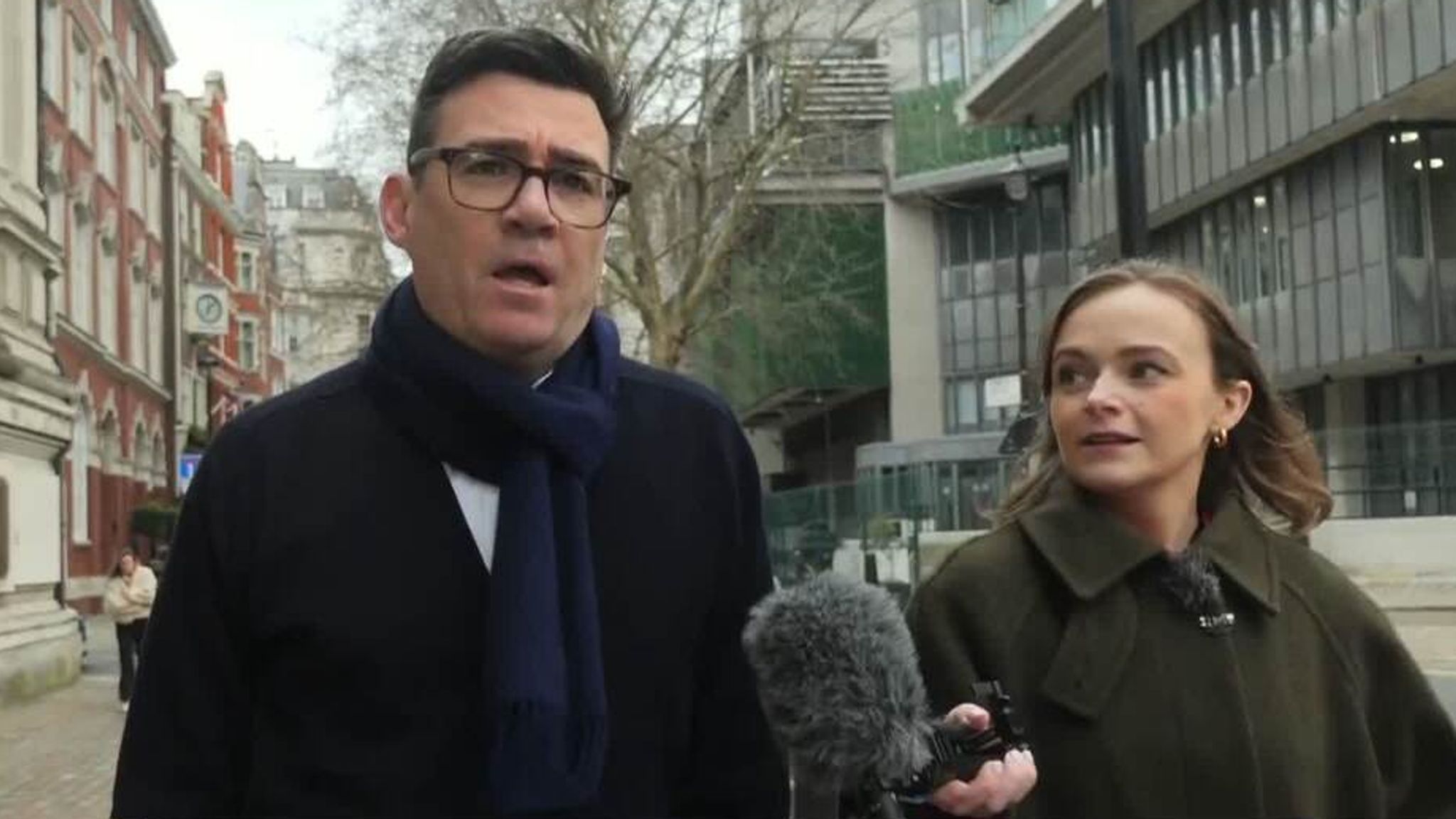
Now, Burnham has powerful backers including Lucy Powell, Angela Rayner, and Lisa Nandy pushing for him to be allowed to contest a future by-election. However, the timing remains a critical obstacle. A snap leadership contest triggered by increasing dissent within Labour ranks would likely leave insufficient time for Burnham to enter the race.
With Labour’s electoral support at historic lows following recent local elections, the party faces an uncertain future. Burnham’s resilience and regional appeal position him as a potential catalyst for Labour’s recovery. His clear commitment to a third term as Greater Manchester mayor underscores his determination to build a strong base before returning to national politics.
Why Andy Burnham’s Rise Matters
Andy Burnham represents a powerful blend of regional loyalty, political experience, and voter appeal that Labour desperately needs. His popularity among the public contrasts sharply with the declining support for Sir Keir Starmer and other leadership figures. For Labour MPs and activists searching for a unifying figure capable of reviving the party’s fortunes, Burnham’s profile is compelling.
His “King of the North” brand is more than a nickname; it reflects a vision of decentralization and regional empowerment that resonates beyond Greater Manchester. As Labour grapples with internal divisions and a volatile electorate, Burnham’s leadership bid could redefine the party’s direction and reconnect it with northern voters.
However, the political obstacles remain significant. Labour’s national executive may resist a leadership challenge, and Burnham must navigate the complexities of timing and party politics. Yet his tenacity and broad appeal suggest he remains ready to answer the call when opportunity arises.
Ultimately, Burnham’s story is one of resilience and regional pride, intertwined with Labour’s quest to find a leader who can bridge divides and inspire confidence. As the party’s future hangs in the balance, the “King of the North” could emerge as the figure to lead Labour back to power.