

Andy Burnham has emerged as a prominent figure in British politics, often dubbed the “King of the North” due to his deep roots and influence in Northern England. Despite two unsuccessful bids for Labour leadership, Burnham remains a key contender in the race to become the next Prime Minister. Understanding his background, political journey, and vision illuminates why he commands significant attention within the Labour Party and beyond.
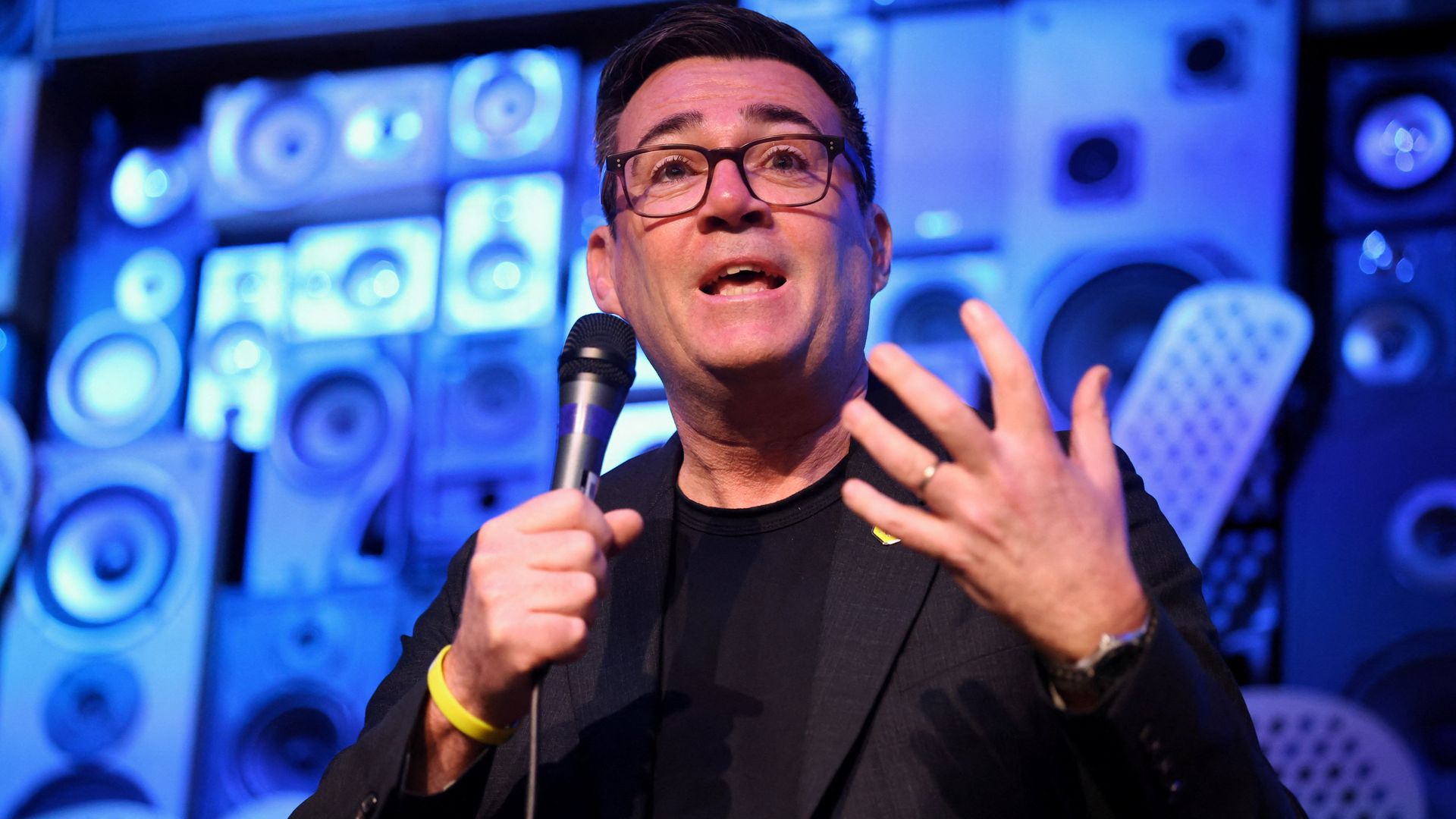
From Manchester Roots to National Politics
Born and raised in Manchester, Andy Burnham’s political identity is closely tied to the North of England. His nickname, the “King of the North,” reflects his reputation as a champion of northern interests, often advocating for greater investment, devolution, and social justice in regions traditionally overshadowed by London-centric policymaking.
Burnham began his parliamentary career in 2001 when he was elected as the Member of Parliament for Leigh. Over the past two decades, he has built a reputation as a pragmatic and empathetic politician, focusing on healthcare, social equality, and regional development.
Leadership Ambitions and Challenges
Burnham has twice stood for the Labour Party leadership but fell short on both occasions. His first attempt was in 2010, following Labour’s general election defeat, where he competed against Ed Miliband and others. Despite a strong campaign, he narrowly missed out, coming second to Miliband.
His second bid came in 2015 after Labour’s crushing defeat under Ed Miliband’s leadership. Burnham again positioned himself as a unifying figure with a clear vision for the party’s future, but Jeremy Corbyn’s grassroots support ultimately secured Corbyn’s rise to leadership.
These setbacks, however, have not diminished Burnham’s stature within Labour. Instead, they have allowed him to refine his political platform, emphasizing a pragmatic approach that balances progressive values with effective governance.
Why Andy Burnham Matters in Today’s Political Landscape
Burnham’s ongoing leadership campaign resonates with many voters who feel disconnected from the political establishment and hungry for change. His focus on Northern England’s economic renewal, social fairness, and public services appeals to constituencies that have historically been Labour strongholds but have seen shifting allegiances in recent years.
His tenure as the Mayor of Greater Manchester since 2017 has further solidified his credentials. In this role, Burnham has championed initiatives to improve transport infrastructure, combat homelessness, and respond decisively during crises such as the COVID-19 pandemic. His leadership style combines empathy with decisive action, enhancing his appeal as a potential national leader.
Moreover, Burnham’s emphasis on northern devolution aligns with a broader political movement seeking to rebalance power away from London, promising more local control and tailored policy solutions. This stance positions him as a pivotal figure in the ongoing debate about the future governance of the UK.
What Comes Next for the ‘King of the North’?
As Labour prepares for its next leadership contest, Andy Burnham’s candidacy represents a blend of experience, regional advocacy, and a commitment to social justice. His ability to unite different factions within Labour and appeal to a wide voter base could prove decisive in shaping the party’s direction.
Whether he ultimately secures the leadership and becomes Prime Minister remains uncertain, but Burnham’s persistent presence in national politics ensures his influence will endure. His campaign highlights pressing issues such as regional inequality, public service reform, and the need for empathetic leadership in turbulent times.
For voters and political observers alike, Andy Burnham symbolizes both the challenges and aspirations of modern Britain—where regional identity and national leadership intersect in the quest for a more balanced and inclusive future.