

Andy Burnham, the Mayor of Greater Manchester, faces calls to mend fences with the minister he dismissed during his recent reshuffle. Baroness Harriet Harman, a veteran Labour politician, has publicly urged Burnham to “build bridges” with the Starmer-aligned figure he removed from his team, highlighting the importance of party unity amid ongoing political challenges.
The Reshuffle and Its Fallout
Andy Burnham’s reshuffle shook up his mayoral administration, leading to the dismissal of a prominent minister closely associated with Keir Starmer’s leadership faction within the Labour Party. This move sparked considerable debate about the internal dynamics of Burnham’s team and the broader Labour movement.
The sacked minister, often described as a “Starmerite,” symbolized the faction within Labour loyal to the current party leader, Keir Starmer. Removing such a figure signals potential tensions between Burnham’s approach and Starmer’s leadership style, sparking speculation about the balance of power within the party’s regional and national structures.
Baroness Harriet Harman’s Call for Reconciliation
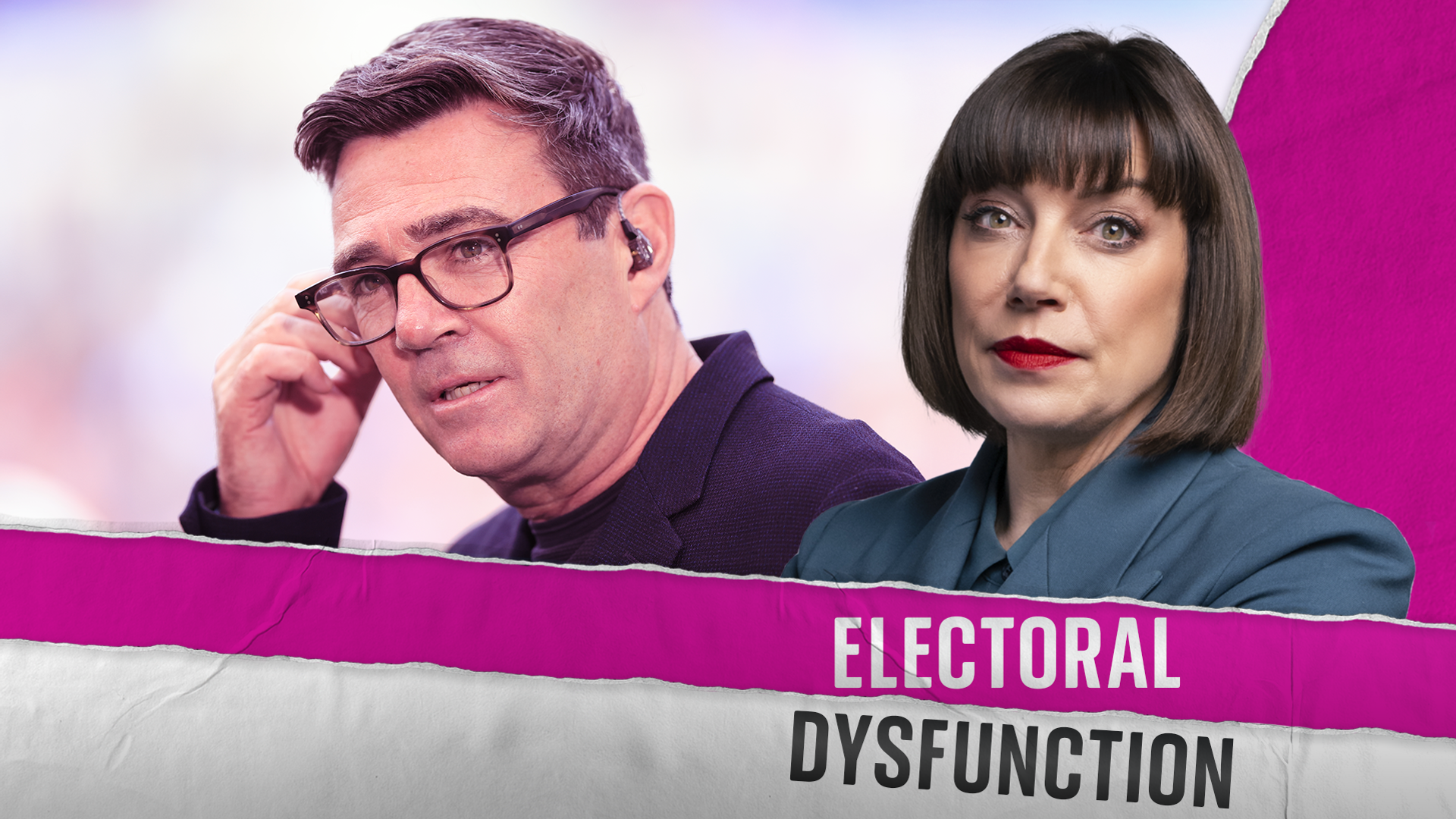
Baroness Harriet Harman, a seasoned Labour figure who has served as Deputy Leader of the Labour Party and held multiple ministerial roles, stepped into the conversation with a clear message: Burnham should seek to repair relationships with those he has sidelined. Speaking on the Electoral Dysfunction podcast, Harman emphasized the strategic necessity of unity within Labour, especially as the party prepares for future electoral contests.
Harman’s appeal to Burnham underlines the risk of factionalism undermining Labour’s effectiveness. She warned that deepening divides could weaken the party’s ability to present a united front against political opponents. Her intervention reflects broader concerns within Labour circles about maintaining cohesion between the grassroots activists, local leaders like Burnham, and the national leadership under Starmer.
Why This Matters for Labour’s Future
The tension between Burnham and the Starmerite minister reflects a wider struggle within Labour over direction and identity. Burnham, known for his robust regional leadership and vocal advocacy on issues like health and social justice, sometimes diverges from the national party’s strategies and messaging.
Building bridges with the Starmer-aligned faction is not merely a matter of internal politicking; it is crucial for Labour’s electoral prospects. As the party seeks to regain ground after years in opposition, presenting a cohesive and collaborative team is essential to winning over voters and delivering effective governance.
Moreover, Burnham’s role as Greater Manchester’s Mayor places him at the forefront of debates on devolution, public services, and economic recovery. His ability to work constructively with all wings of the Labour Party can influence not only local policy outcomes but also national narratives about Labour’s readiness to govern.
Looking Ahead: The Path to Party Unity
Andy Burnham now faces a pivotal choice: continue with a reshuffled team that risks alienating key Labour allies or embrace a reconciliatory approach that strengthens internal solidarity. Baroness Harman’s advice serves as a reminder that leadership involves not only decisive action but also the capacity to unify diverse voices within a political movement.
For Labour supporters and political observers alike, the outcome of this internal dynamic will be telling. A united Labour front could enhance its ability to challenge the ruling government effectively, while persistent factional disputes might hinder its progress.
As Burnham navigates this delicate balance, the broader Labour Party will watch closely. His decisions could set a precedent for how regional leaders interact with the national party and how Labour positions itself for success in the coming years.
In conclusion, the call for Andy Burnham to “build bridges” is a critical moment for Labour’s internal cohesion. The party’s future electoral success depends on bridging divides, fostering collaboration, and presenting a united message to the electorate. Burnham’s response will shape not only his own political trajectory but also the Labour Party’s path forward.