

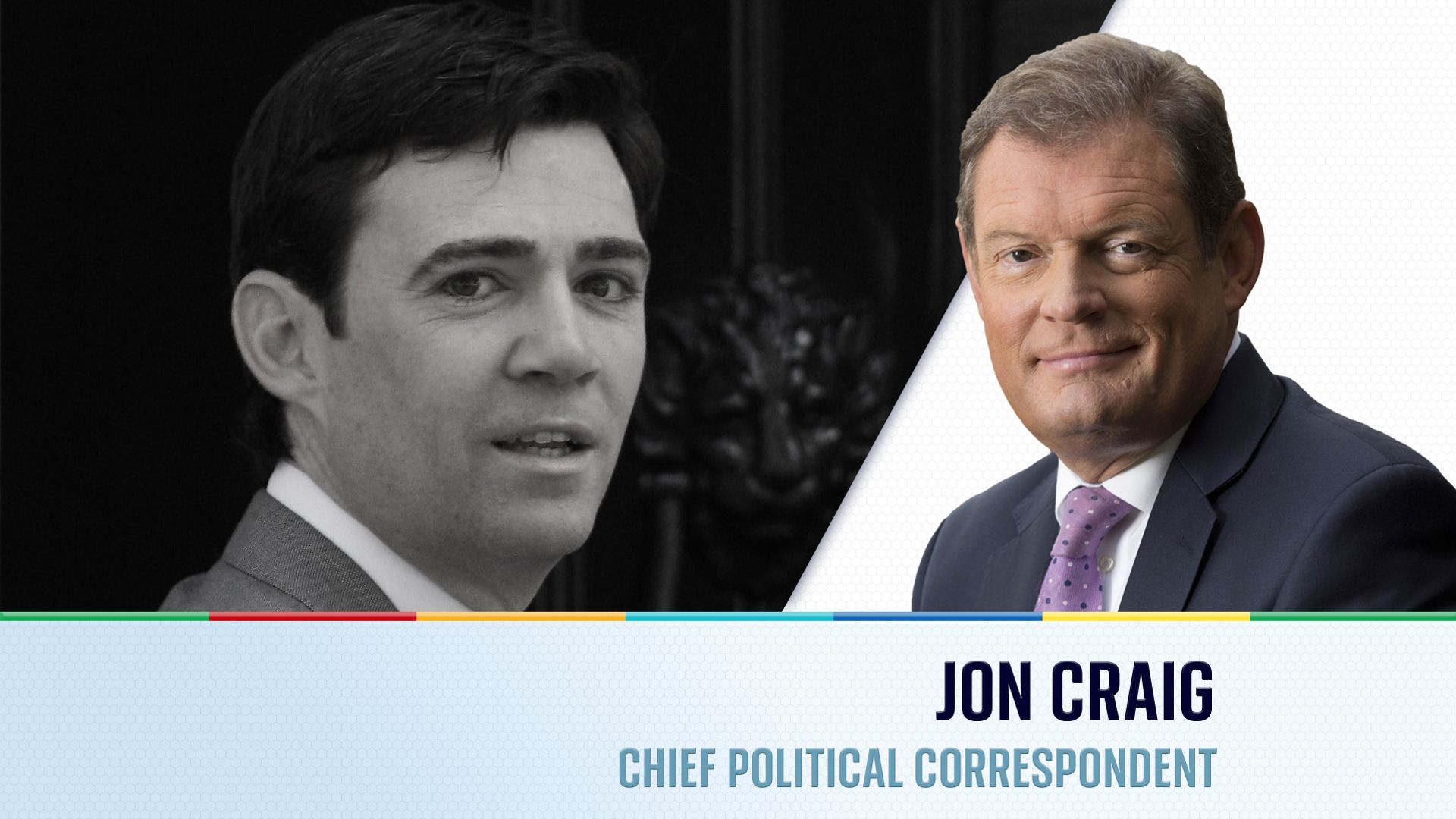
Andy Burnham has stepped into the spotlight with a resolute commitment to transform the failing social care system in the UK. For Burnham, this challenge transcends politics—it is deeply personal, driving his relentless push to overhaul a sector plagued by long-standing crises and neglect.
A Crisis Rooted in Legacy Failures
The social care system in England has struggled for decades with underfunding, staff shortages, and fragmented services. These chronic issues have left vulnerable populations—particularly the elderly and disabled—without the consistent, high-quality care they deserve. Burnham’s recognition of this enduring crisis is not just political rhetoric; it stems from firsthand experiences and a profound understanding of the system’s human impact.
As Mayor of Greater Manchester, Burnham witnessed the devastating effects of systemic failures in social care. The region’s aging population and limited resources created a perfect storm, highlighting the urgent need for reform. Burnham’s tenure exposed the gaps between policy and reality, fueling his determination to seek sustainable solutions that prioritize dignity and support for care recipients.
Why Burnham’s Approach Stands Apart
Unlike many politicians who treat social care as a peripheral issue, Burnham has made it a central pillar of his agenda. His approach combines empathy with actionable policies aimed at reversing decades of neglect. He advocates for increased funding, better workforce conditions, and integrated health and social care services to create a seamless support network.
Burnham’s strategy also involves empowering local authorities with more autonomy and resources to innovate and tailor care to community needs. This decentralization contrasts sharply with previous top-down approaches that often failed to address local nuances. His vision promotes collaboration across sectors, from healthcare providers to voluntary organizations, ensuring a cohesive support framework.
Implications for the Future of Social Care
Burnham’s bid to break the “legacy of failure” in social care signals a potential turning point for a system at a crossroads. His personal investment in the issue brings renewed hope that meaningful reform can be achieved, moving beyond short-term fixes to establish a resilient, compassionate care infrastructure for the future.
For millions of people relying on social care services, Burnham’s leadership could translate into improved quality of life and dignity. His focus on addressing root causes—workforce shortages, funding deficits, and fragmented service delivery—addresses the systemic barriers that have long stymied progress.
Moreover, Burnham’s efforts highlight the critical need for national policymakers to recognize social care as an urgent priority, not just a peripheral concern. As demographic pressures mount with an aging population, the demand for effective, sustainable care solutions will only intensify.
Looking Ahead: What This Means for Social Care Reform
Andy Burnham’s personal connection to the social care crisis underpins a broader call for comprehensive reform. His leadership exemplifies how political will combined with lived experience can drive change in deeply entrenched systems.
While the challenges ahead remain significant, Burnham’s vision offers a roadmap grounded in practical solutions and human-centered values. If embraced at both local and national levels, this approach could break the cycle of failure that has defined social care for too long.
Ultimately, Burnham’s campaign serves as a reminder that social care is not just a policy issue—it is a measure of society’s commitment to its most vulnerable members. The coming months will reveal whether this personal mission can translate into lasting transformation for social care across the UK.