

Labour Faces Historic Defeat and Urgent Need for Renewal
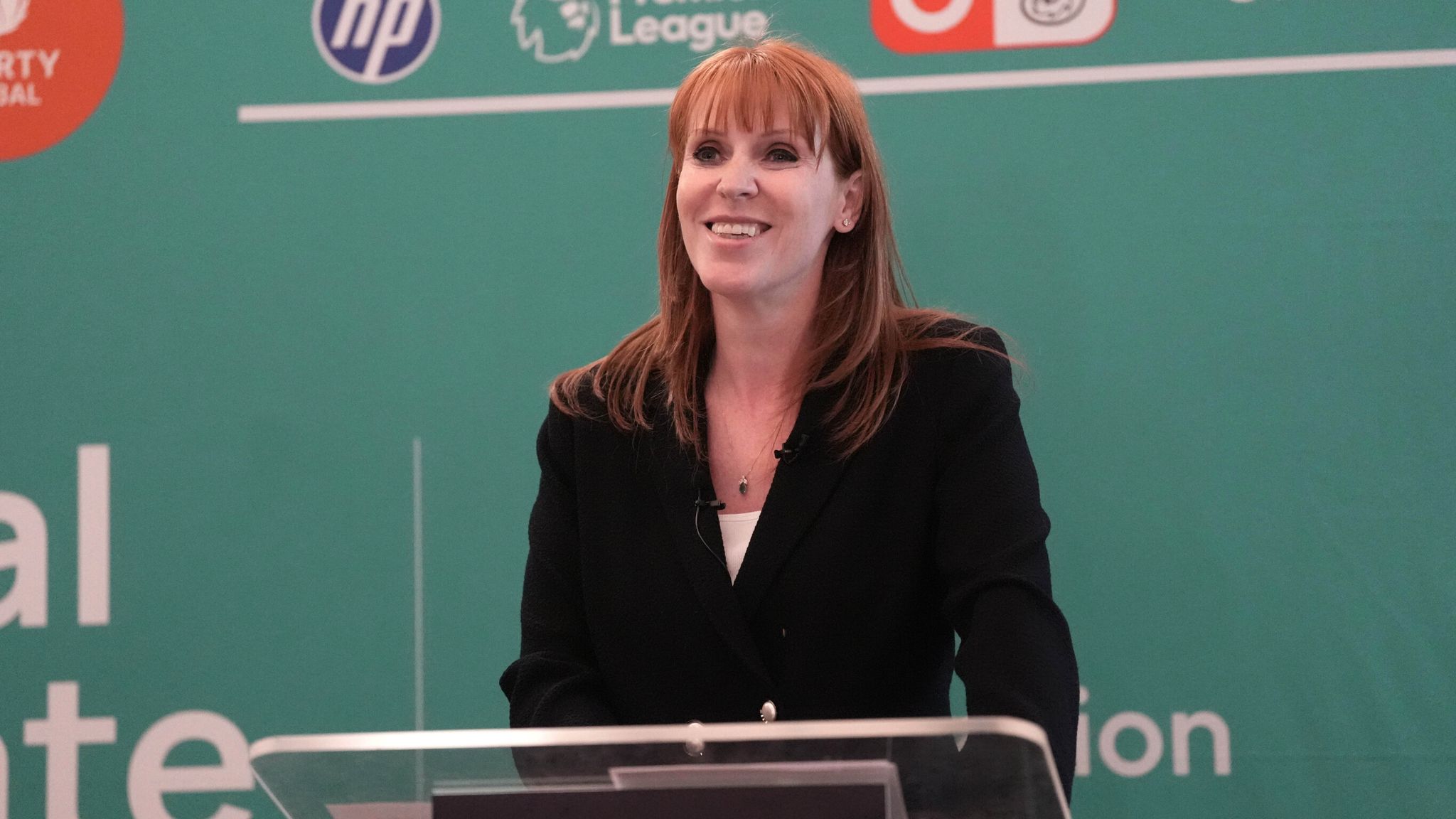
Angela Rayner broke her silence following the Labour Party’s overwhelming defeat in recent local and devolved elections, delivering a forceful statement that underscores the party’s dire situation and the urgent need for transformation. The elections exposed deep challenges for Labour, with many dedicated MPs and councillors losing their seats, and entire Labour administrations toppled. Rayner’s remarks conveyed both a somber reflection on these losses and a clarion call for a fundamental shift in strategy to reconnect with working-class voters.
The former deputy prime minister, who stepped down from the front bench amid an ethics investigation into her tax affairs last September, addressed speculation about her political future. While her intervention stopped short of an outright leadership challenge, she emphasized the necessity for leader Sir Keir Starmer to reconsider his approach and embrace figures like Andy Burnham, whose local successes offer a blueprint for revival.
“Our party has suffered a historic defeat,” Rayner declared. “Many good Labour colleagues have lost their seats despite working hard for those they represented. We have lost good Labour administrations and lost the chance for more.” She stressed that the current path “isn’t working” and called this “our last chance” to realign Labour with its core values as the party of working people.
The Cost of Living Crisis and Labour’s Disconnect with Voters
Rayner highlighted the cost of living crisis as the defining issue driving voter discontent across the UK, cutting across political allegiances. Voters increasingly turn to populists and nationalists because they feel Labour has failed to address their economic struggles effectively. She pointed to stagnating living standards, soaring energy company profits amid global instability, and a pervasive sense of hopelessness among ordinary people.
“Living standards are barely higher than they were a decade and a half ago,” she said. “People feel hopeless—that the cost of living crisis will never end. Ordinary people are paying the price for decisions they didn’t make.” This growing inequality and economic frustration have eroded Labour’s traditional base, particularly among young Londoners fearful of never affording a home, northern working families squeezed by stagnant wages and rising costs, and voters in Scotland and Wales who no longer see Labour as the answer.
Rayner warned that Labour risks becoming a party of the well-off rather than the working class it was founded to represent. Citing past missteps such as the Peter Mandelson cronyism scandal and unpopular decisions like cutting the winter fuel allowance, she argued that Labour has drifted from its roots. The party’s embrace of deregulation, privatisation, and trickle-down economics has concentrated wealth at the top and left many behind.
Learning from International Examples
Rayner urged Labour to learn from countries like Spain and Canada, where governments rooted in labour and social democratic principles have successfully grown their economies while prioritising people’s well-being. “We need to put people first,” she insisted, advocating for policies that deliver tangible improvements in everyday lives.
Pathways to Rebuilding Labour and Restoring Trust
Setting out a clear agenda for renewal, Rayner called for immediate measures to ease the cost of living, including taxing those who have profited during the crisis to support the wider economy. She referred to Labour’s Employment Rights Act as only the beginning, urging the introduction of a Fair Pay Agreement in social care and a rise in the minimum wage alongside efforts to tackle youth unemployment.
She emphasized the importance of a housing boom driven by investment in social and affordable housing, reforms to protect renters, and ending exploitative leasehold practices. Devolution must continue, with mayors empowered to transform planning, licensing, and economic powers to boost local businesses and communities.
Rayner advocated expanding community and cooperative ownership models, reversing privatisation failures seen in sectors like public transport and water utilities. She cited Thames Water as a symbol of privatisation’s flaws and condemned executive bonuses amid rising consumer bills. The party must confront these issues head-on to restore public faith.
On economic growth, Rayner stressed creating quality jobs through defence manufacturing, green economy investments, and support for small and medium enterprises. Reforming business rates and revitalizing high streets will help rebuild local economies and improve living standards.
Reforming Politics to Reflect Working People’s Interests
Rayner also addressed political reform, condemning the influence of “dodgy money” in politics and contrasting Labour’s principles with figures like Nigel Farage, who accepted secret offshore funding. She called for politics to work for ordinary people, putting common interests above factionalism.
A notable point in her statement was an admission that blocking Andy Burnham’s return to frontline politics was a mistake. Rayner urged embracing successful local leaders and agendas rather than clinging to outdated policies that have failed the electorate.
What This Means for Labour’s Future
Angela Rayner’s statement signals a pivotal moment for Labour. The party must reckon with its electoral failures and the deep disconnect from working-class voters who feel left behind. Her call for sweeping economic, political, and organisational reforms is a blueprint for Labour to reclaim its identity and relevance.
Labour’s future depends on its ability to deliver practical policies that improve lives now while rebuilding trust through genuine engagement with communities. Rayner’s insistence that this is “our last chance” underscores the urgency. Without decisive change, Labour risks further decline—and with it, the chance to offer a credible alternative to the current government.
In the weeks ahead, Labour faces critical choices: to adapt boldly to the challenges laid bare by these election results or risk remaining out of touch with the people it aims to represent. Rayner’s intervention provides a clear direction, emphasizing that making working people better off must be Labour’s defining mission moving forward.