

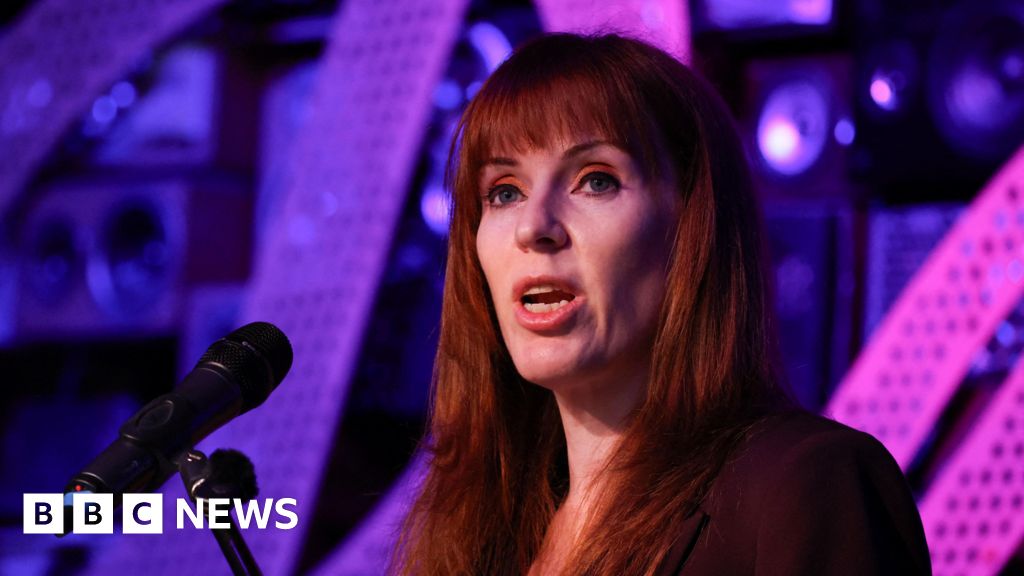
Angela Rayner has delivered a powerful warning to the Labour Party, declaring that the party faces its “last chance” to regain public trust following a series of devastating election defeats. In a bold move, she endorsed Andy Burnham to return to Westminster, signaling a push for renewed leadership and strategic change within Labour’s ranks.
Labour’s Election Setback and Rayner’s Response
Labour’s recent poor electoral performance has exposed deep challenges for the party, sparking urgent calls for change from its senior figures. In her first public statement since the elections, Rayner, the former deputy prime minister, did not hold back her criticism. She pinpointed the party’s refusal earlier this year to allow Andy Burnham, the popular Greater Manchester mayor, to stand as a Member of Parliament as a significant misstep.
Burnham, known for his strong regional leadership and public appeal, represents a potential catalyst for Labour’s revitalization. Rayner’s backing of his Westminster return suggests a strategic recalibration aimed at reconnecting with voters and strengthening Labour’s political influence.
Calls for Bold Leadership and Policy Overhaul
While Rayner stopped short of launching a direct leadership challenge to Sir Keir Starmer, her extensive 1,000-word statement carries unmistakable pressure for the current leader to “meet the moment” with decisive and transformative measures. She urged Starmer to adopt bolder policies that address the nation’s pressing issues, particularly inequality and the squeeze on living standards faced by many families.
Rayner’s policy agenda is clear: Labour must become the party that champions working people rather than the affluent. She advocates for empowering regional mayors with greater economic control, increasing the minimum wage, and embracing innovative models of ownership, including public, community, and cooperative enterprises.
“We are in danger of becoming a party of the well-off, not working people,” she warned. “What we are doing isn’t working, and it needs to change. This may be our last chance.” This urgent tone underscores her belief that Labour’s future depends on a fundamental shift in both leadership style and policy direction.
Why This Moment Matters for Labour
The significance of Rayner’s intervention lies not only in her critique but also in the timing. With Sir Keir preparing to deliver a speech aimed at consolidating his leadership, Rayner’s message amplifies the internal debate over Labour’s identity and strategy. Her emphasis on tackling inequality and economic empowerment reflects broader public concerns amid rising living costs and regional disparities.
Labour’s ability to adapt and respond effectively to these challenges will determine its political viability in upcoming elections. Rayner’s call to action highlights a crossroads: either Labour reinvents itself as a party that genuinely represents working-class interests, or it risks further erosion of its support base.
Andy Burnham’s potential return to Westminster, supported by Rayner, symbolizes a desire for dynamic leadership rooted in regional experience and community engagement. This move could inject fresh energy into Labour’s parliamentary presence and policy debates.
Looking Ahead: What This Means for Labour’s Future
Angela Rayner’s stark warning and strategic endorsements mark a pivotal moment for Labour. Her candid assessment that the party is at a critical juncture sends a clear message to its leadership and members: urgent, bold reforms are necessary to reconnect with voters and address the socio-economic issues dominating public discourse.
As Labour navigates this uncertain terrain, the focus will be on whether Sir Keir Starmer can rise to the challenge Rayner has outlined. The party’s next steps on economic policy, regional empowerment, and leadership choices will shape its trajectory and electoral prospects.
For Labour supporters and political observers alike, this “last chance” warning signals a call for renewal—one that may redefine the party’s path and influence British politics for years to come.