

Anthony Joshua, the world-renowned British heavyweight boxer, has made a powerful vow to advocate for the grieving families of two close friends who tragically died in a car accident in Nigeria. Setting aside his own sorrow, Joshua declared he is determined to be “a good soldier” in seeking justice and support for the parents left behind.
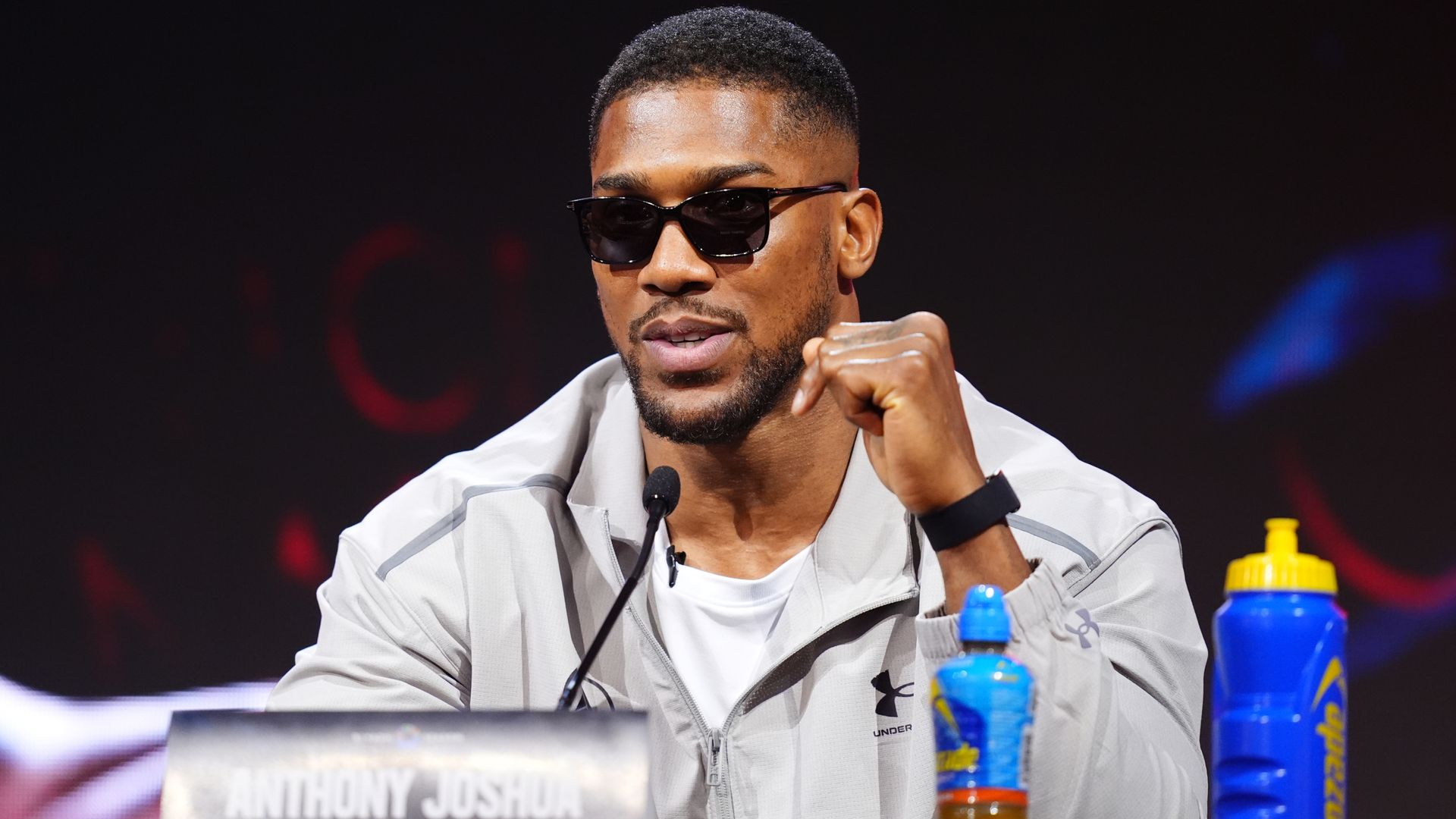
Tragic Loss Shakes Joshua’s Inner Circle
The devastating car crash in Nigeria claimed the lives of two individuals deeply connected to Anthony Joshua’s personal life. These losses have sent shockwaves through his community and touched the boxer profoundly. Despite his global fame and demanding career, Joshua’s connection to his roots and loved ones remains strong.
Joshua’s decision to prioritize the well-being of his friends’ parents shines a light on his character beyond the boxing ring. His empathy and commitment underscore the human side of a sports figure often seen solely for his physical prowess and competitive spirit.
Why Joshua’s Commitment Resonates
This pledge from Joshua is significant for several reasons. First, it highlights how public figures can use their influence to bring attention to personal tragedies that might otherwise be overlooked. By championing the cause of the bereaved parents, Joshua is amplifying their voices on an international stage.
Moreover, his stance reflects a broader cultural emphasis on community and responsibility. In many Nigerian communities, family and social ties are central pillars of daily life. Joshua’s vow resonates deeply with these values, demonstrating solidarity and support during a time of profound grief.
His promise to “be a good soldier” suggests a readiness to endure hardship and fight for justice, reflecting his resilience as an athlete and as a human being facing loss.
What This Means for Joshua and the Families
Joshua’s advocacy can lead to increased awareness and possibly mobilize resources for the families affected. It may also inspire other influential figures to step forward in similar circumstances, creating a ripple effect of support and attention to tragic events that impact communities worldwide.
For the parents who lost their children, Joshua’s support offers a beacon of hope and solidarity. Knowing that someone of his stature stands with them can provide emotional strength during their grieving process and potentially influence how the aftermath of the crash is handled by authorities.
In the broader context, this development connects Joshua’s boxing career with his personal life, reinforcing his identity as not just an athlete but a committed member of his community.
A Lasting Impact Beyond the Ring
Anthony Joshua’s vow to fight for the parents of his late friends extends his legacy beyond boxing titles and championships. It reflects a profound sense of duty and compassion that transcends sport.
His actions remind us that even the most celebrated figures face personal trials and that their responses to these challenges can inspire and unite others. As Joshua channels his grief into purposeful action, he exemplifies leadership that is both heartfelt and impactful.
Going forward, the world will watch not only Joshua’s athletic feats but also how he navigates this deeply personal mission. His commitment could set a precedent for how athletes and public figures engage with issues of loss and justice.
Ultimately, Anthony Joshua’s story is a powerful testament to the enduring bonds of friendship and community, and a call to action to stand up for those in need during their darkest hours.