

This April, households across the UK will face a wave of financial changes that will touch everything from utility bills to benefits and taxes. While some costs are set to rise sharply — including council tax, water bills, and mobile contracts — others such as pensions and energy bills will see welcome increases or decreases. Here’s an in-depth look at the key financial shifts coming into effect this month and what they mean for you.

Rising Household Bills: Water, Council Tax, and Communications
Water bills will climb significantly in England and Wales, with an average rise of 5.4%, equating to about £33 more annually. Scottish households will experience even steeper hikes averaging 8.7%. Some regions face sharper increases: Affinity Water customers could see bills jump by 13%, while United Utilities customers face the highest cash increase of £57, bringing their average annual bill to £660. In contrast, Thames Water customers will see a modest 0.4% rise, or just £3 more. These increases fund a £104 billion investment program aimed at upgrading the nation’s aging water infrastructure. Eligible low-income households will receive expanded financial support, with 300,000 additional homes expected to qualify this year, totaling about 2.5 million beneficiaries.

Council tax is also escalating sharply across the UK. Since April 2023, English councils can raise tax by up to 4.99%, up from a previous 2.99% cap. Most councils are maximizing this allowance for 2026/27. Seven councils have been granted exceptional permission to increase rates beyond the cap due to financial hardship: Shropshire, Worcestershire, and North Somerset may raise bills by up to 8.99%, while Warrington, Trafford, and Windsor & Maidenhead can increase by 7.49%. Bournemouth, Christchurch and Poole have permission for a 6.74% rise. Despite these hikes, the government assures that these areas will remain below the national average. Welsh councils, which set rates independently, propose increases between 3% and 6.25%, while Scottish councils have approved hikes ranging from 4% to nearly 10%, with some, like East Dunbartonshire and Aberdeenshire, announcing 10% rises. Northern Ireland’s district rates will climb by 1.96% to 4.5%.
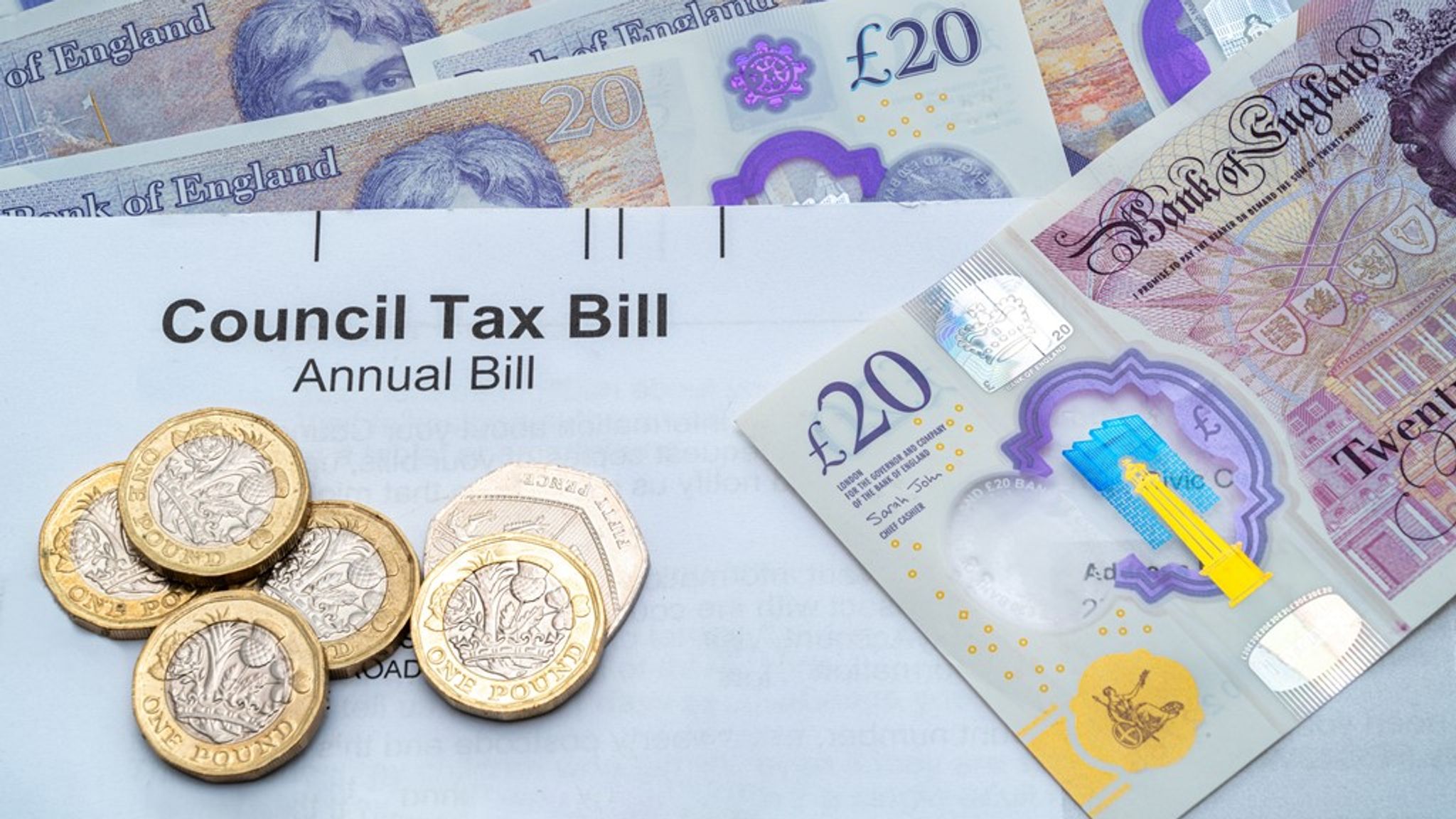
Those on low incomes, students, or disabled residents may qualify for council tax discounts or reductions. Additionally, spreading payments over 12 months rather than 10 can ease budgeting. Homeowners can also request band reassessments, though this carries the risk of moving to a higher tax band.

Broadband and mobile phone bills will also increase this April. Major providers including Virgin Media, Sky, BT, and EE plan to raise monthly charges by up to £4, potentially costing customers up to £48 more per year on broadband and £30 on mobile plans. Telecoms expert Ernest Doku highlights that around 8 million broadband and 14 million mobile customers are out of contract and can switch providers without penalty, offering a chance to avoid these price hikes. Some providers have committed to freezing prices until 2027 or offer early-switching credits to cover exit fees. Customers might also negotiate directly with their current providers or explore social tariffs for discounted service. Bundling services can reduce overall costs but beware of exit fees.
Tax and Transport: Car Tax, Income Thresholds, and Rail Fares
Car tax rates are increasing for petrol, diesel, and hybrid vehicles registered since 2017, rising to £200 annually. New electric car owners also face a £200 flat rate. Paying monthly installments brings the total to £210. Vehicles with a list price over £40,000 (or £50,000 for electric cars) will incur an additional £425 luxury car tax for five years. Exact charges depend on fuel type, registration year, and CO2 emissions.
Meanwhile, frozen income tax thresholds may push some taxpayers into higher brackets as wages rise, effectively increasing tax liabilities without rate changes. Additionally, exceeding the personal savings allowance (£1,000 tax-free interest for basic rate taxpayers) could trigger new taxes on savings interest.

Rail fares will remain frozen for the year, covering season tickets and returns, providing relief for commuters. However, refund policies will tighten, limiting claims to unused tickets before travel. Prescription costs in England will also stay constant at £9.90 per item.
Prizes, Pints, and Pensions: What Else Is Changing?
Fans of Premium Bonds face dimmer odds this April. NS&I is reducing the prize fund rate from 3.6% to 3.3%, lengthening odds from 22,000-1 to 23,000-1. Despite recently awarding over £40 billion in prizes, NS&I must balance savers’ returns with government funding needs.

Meanwhile, drinkers will notice price increases in pubs. Diageo announced wholesale price rises on Guinness Draught by 5.2% (around 4p per pint) and a 13p hike on 70cl bottles of Smirnoff. Other brands like Baileys and Guinness 0.0 remain unaffected.

Stamp prices are rising as well, with second-class stamps increasing 4p to 91p and first-class stamps jumping 10p to £1.80 starting 7 April. Royal Mail attributes the hike to growing delivery costs amid falling letter volumes and expanding addresses.

Air travel taxes will rise with increases to Air Passenger Duty (APD), pushing flight costs higher. For example, a family of four flying premium economy to Orlando could pay over £1,000 in APD. These hikes risk prompting airlines like Ryanair to reduce UK flights if taxes climb further.
Good News: Benefit and Pension Increases, Plus Energy Bill Relief
Amidst rising expenses, millions of benefit recipients and pensioners will see financial boosts. Inflation-linked benefits rise by 3.8%, with others increasing by 2.3%. Both the basic and new state pensions are set to increase by 4.8% from 6 April, thanks to the government’s triple lock guarantee based on average earnings growth.
Key benefits such as Universal Credit will increase: single claimants under 25 will receive £338.58 monthly (up from £316.98), while those over 25 get £424.90 (up from £400.14). The two-child benefit cap is ending, allowing extra payments for families with more children. Other benefits like Attendance Allowance, Carer’s Allowance, Disability Living Allowance, Housing Benefit, Jobseeker’s Allowance, Pension Credit, and Personal Independence Payment will also rise, providing crucial support for vulnerable groups.
On wages, the living wage for workers aged 21 and over rises 4.1% to £12.71 an hour, translating to approximately £900 more annual pay for full-time workers. Younger workers also see substantial minimum wage increases.
Energy bills could offer relief despite global oil price pressures. The energy price cap will fall, lowering a typical annual dual fuel bill from £1,758 to £1,641. This cap limits what suppliers can charge per unit of gas and electricity, helping households manage costs amid uncertainty.
What This Means For You
April 2026 brings a mixed financial landscape for UK households. While rising bills for water, council tax, mobile, and broadband will tighten budgets, benefit and pension increases provide a vital cushion for many. The slight reduction in energy bills offers further relief, especially for vulnerable families. Savvy consumers can mitigate some cost hikes by exploring provider switches, negotiating bills, and checking eligibility for discounts or benefits.
Awareness and proactive financial planning will be key to navigating these changes effectively. Whether it’s reviewing council tax bands, switching telecom providers, or understanding new benefit rates, staying informed ensures you don’t miss out on savings or support.