

Sir Keir Starmer has publicly backed a Labour Member of Parliament who is pursuing legal action against Elon Musk’s artificial intelligence company, xAI, over the creation and dissemination of deepfake images depicting her in a bikini. This unusual case highlights growing concerns about AI-generated misinformation and personal privacy in the digital age.
What Sparked the Lawsuit Against xAI?
The Labour MP alleges that xAI’s Grok chatbot was employed to produce fabricated images of her wearing a bikini—images she insists are entirely false and damaging. Deepfakes, which use AI to generate hyper-realistic but fake visual and audio content, have become a prominent tool for misinformation, harassment, and defamation.
This incident has raised alarm bells about the ethical use of AI technologies like those developed by Elon Musk’s xAI. The MP claims that these deepfake images not only invade her privacy but also tarnish her public image and cause emotional distress. The lawsuit aims to hold xAI accountable for enabling or facilitating the spread of these manipulated visuals through their chatbot platform.
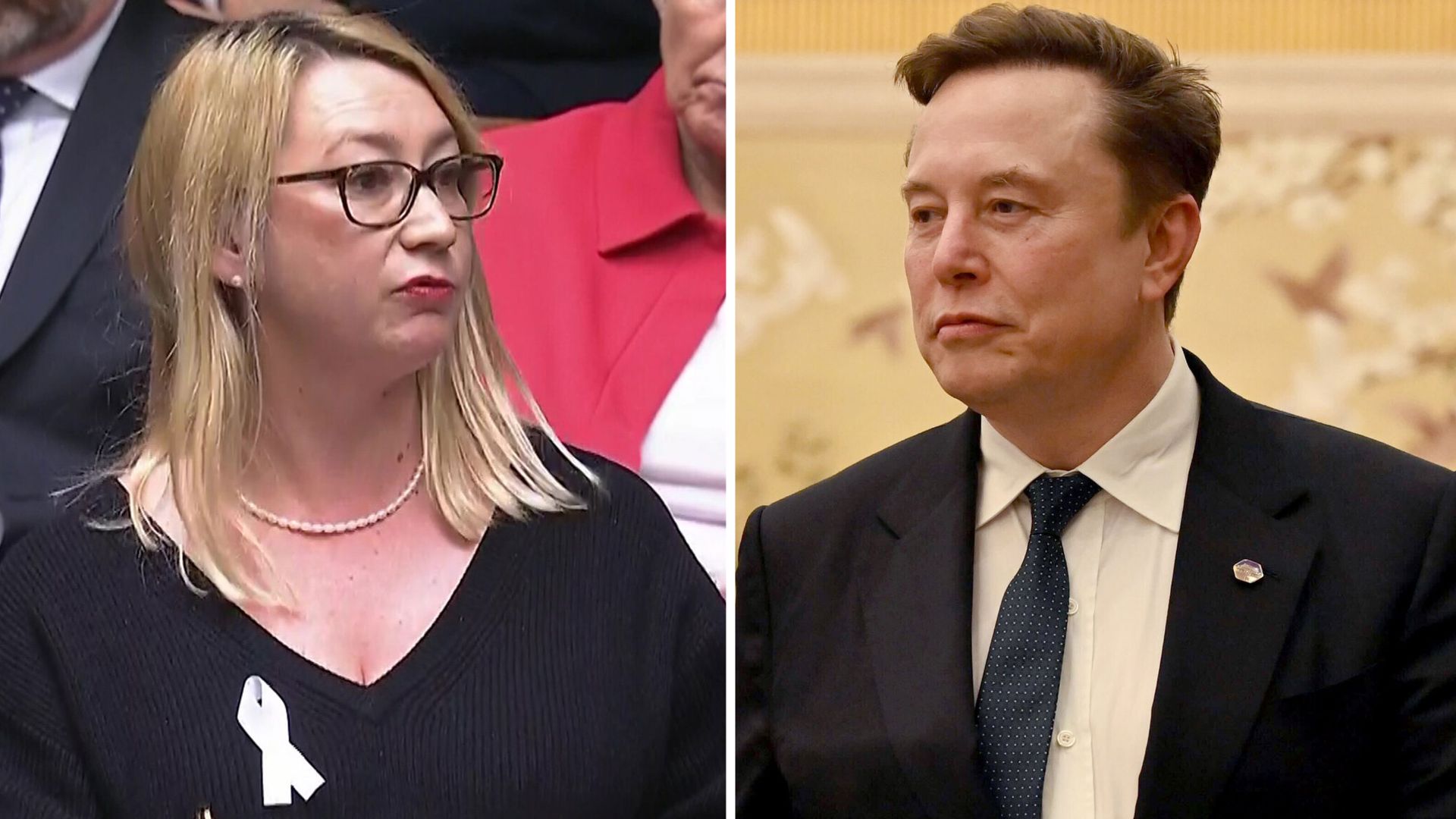
Keir Starmer’s Stance and the Broader Implications
As the leader of the Labour Party, Sir Keir Starmer’s support sends a strong message about protecting individuals from AI-driven abuses. By backing the MP’s legal challenge, Starmer underscores the urgent need for clearer regulations and accountability mechanisms surrounding AI-generated content, especially when it crosses into personal and political harm.
Starmer’s endorsement reflects wider concerns about the unchecked proliferation of deepfakes and their potential to disrupt democratic processes, harass public figures, and spread false narratives. The case could set a precedent for how courts and lawmakers address the responsibilities of AI companies in policing harmful usage of their technologies.
Why This Legal Battle Matters for AI and Public Figures
The lawsuit against xAI emphasizes the complex intersection of emerging AI technologies and personal rights. As AI tools become more sophisticated and accessible, the risk of misuse grows exponentially. Public figures, such as politicians, often face targeted attacks that leverage these technologies to manipulate public opinion or intimidate individuals.
This case highlights the urgent need for comprehensive AI governance frameworks that balance innovation with safeguards against abuse. It also raises questions about how AI companies should monitor and control the outputs of their platforms, especially as chatbots like Grok become more integrated into daily communication.
For the Labour MP involved, the fight is not only about stopping the current misuse but also about setting legal and ethical standards that protect everyone against similar violations in the future.
What Comes Next?
As the lawsuit proceeds, all eyes will be on how the courts interpret the responsibilities of AI developers and the rights of individuals harmed by AI-generated content. The outcome could influence legislation on digital privacy, AI transparency, and the regulation of deepfake technologies worldwide.
In the meantime, this case serves as a stark reminder of the challenges posed by rapid technological advancement without corresponding ethical and legal frameworks. It also reinforces the importance of political leaders like Sir Keir Starmer stepping forward to defend fundamental rights in an increasingly digital society.
Ultimately, this legal battle against xAI is a critical test of how society manages the balance between technological innovation and the protection of personal dignity and truth in the digital era.