

Hidden for centuries, a secret illicit whisky distillery has been uncovered in the remote Scottish Highlands, shedding new light on the clandestine spirit production that flourished in defiance of law and authority. Archaeologists recently unearthed compelling evidence at a stone bothy in the Ben Lawers National Nature Reserve (NNR), revealing a carefully concealed whisky still dating back approximately two hundred years.
Unearthing a Secret Distilling Operation
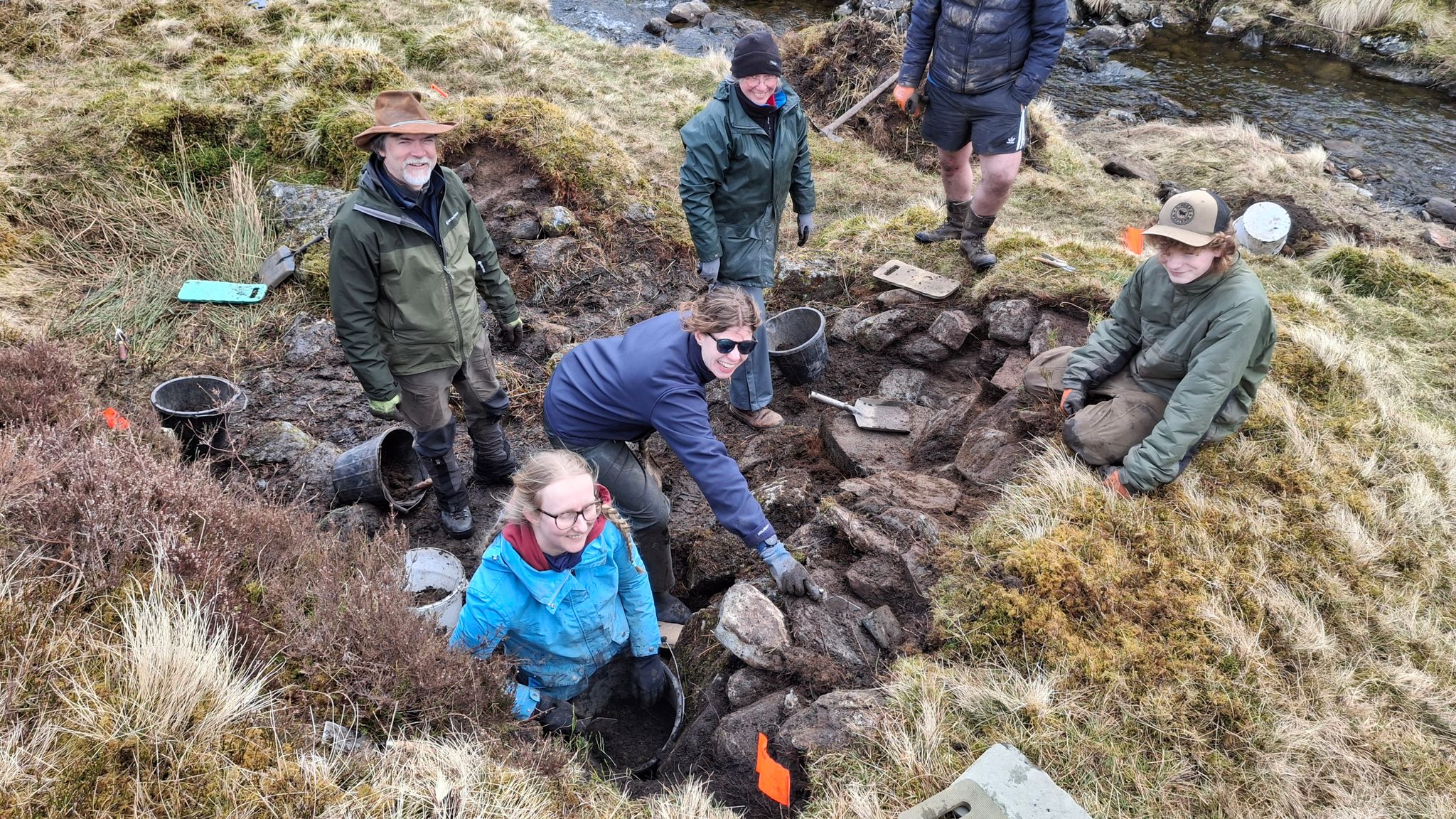
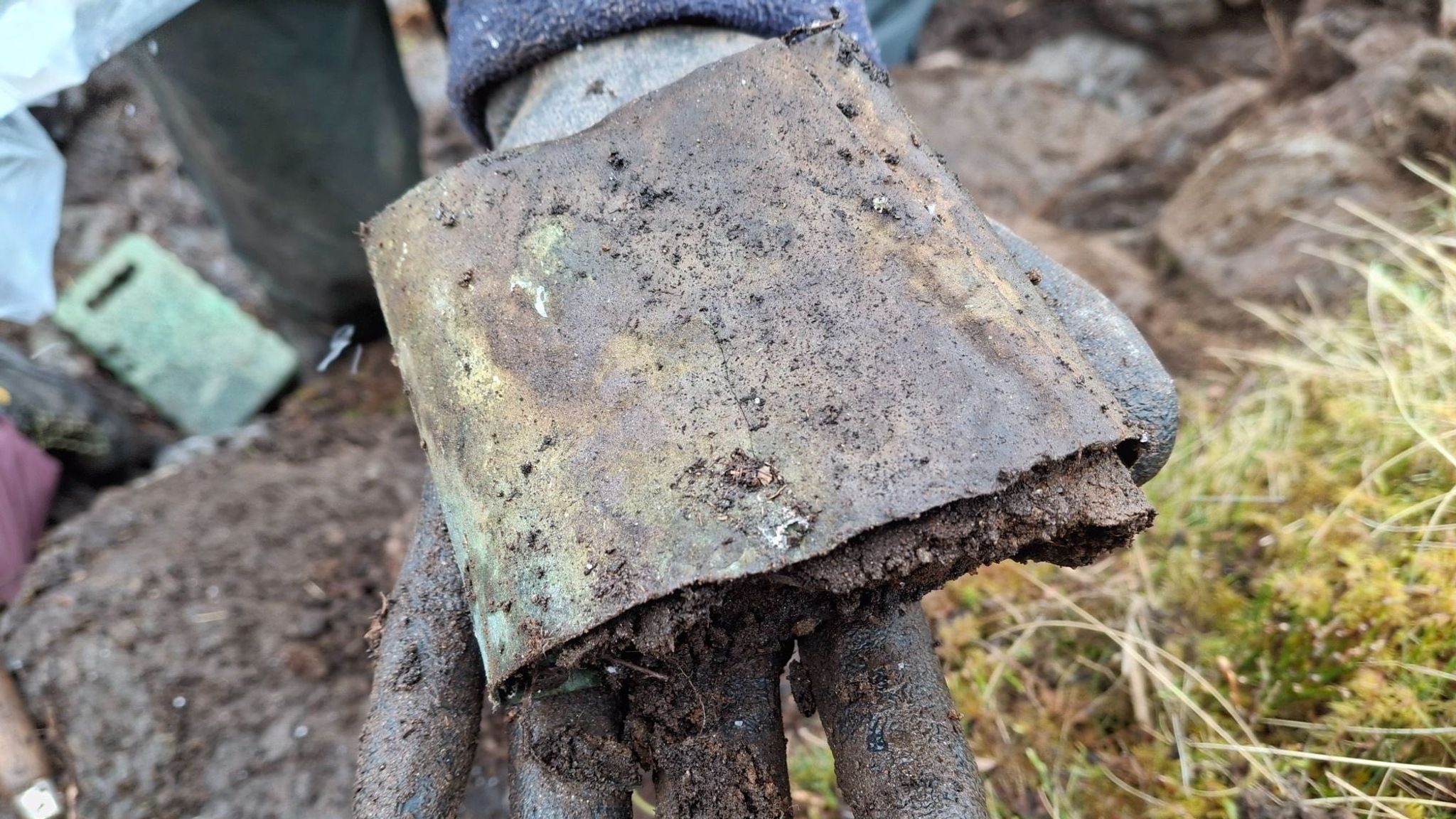
The archaeological team, working under the stewardship of the National Trust for Scotland (NTS), discovered a fragment of a copper still, a well-engineered hearth, and unmistakable signs of burning within the bothy’s stone walls. These findings confirm that the site was used for illicit whisky distillation during the late 18th or early 19th century, a period when unlicensed spirit production was outlawed following the 1788 Excise Act.
Illegal distillation became widespread after heavy taxation and regulation drove many producers underground. To evade excise officers tasked with enforcing the law, distillers relocated their operations to remote, rugged upland locations. The Ben Lawers NNR is known to contain at least five such illicit whisky bothies, hidden in the hills to avoid detection.
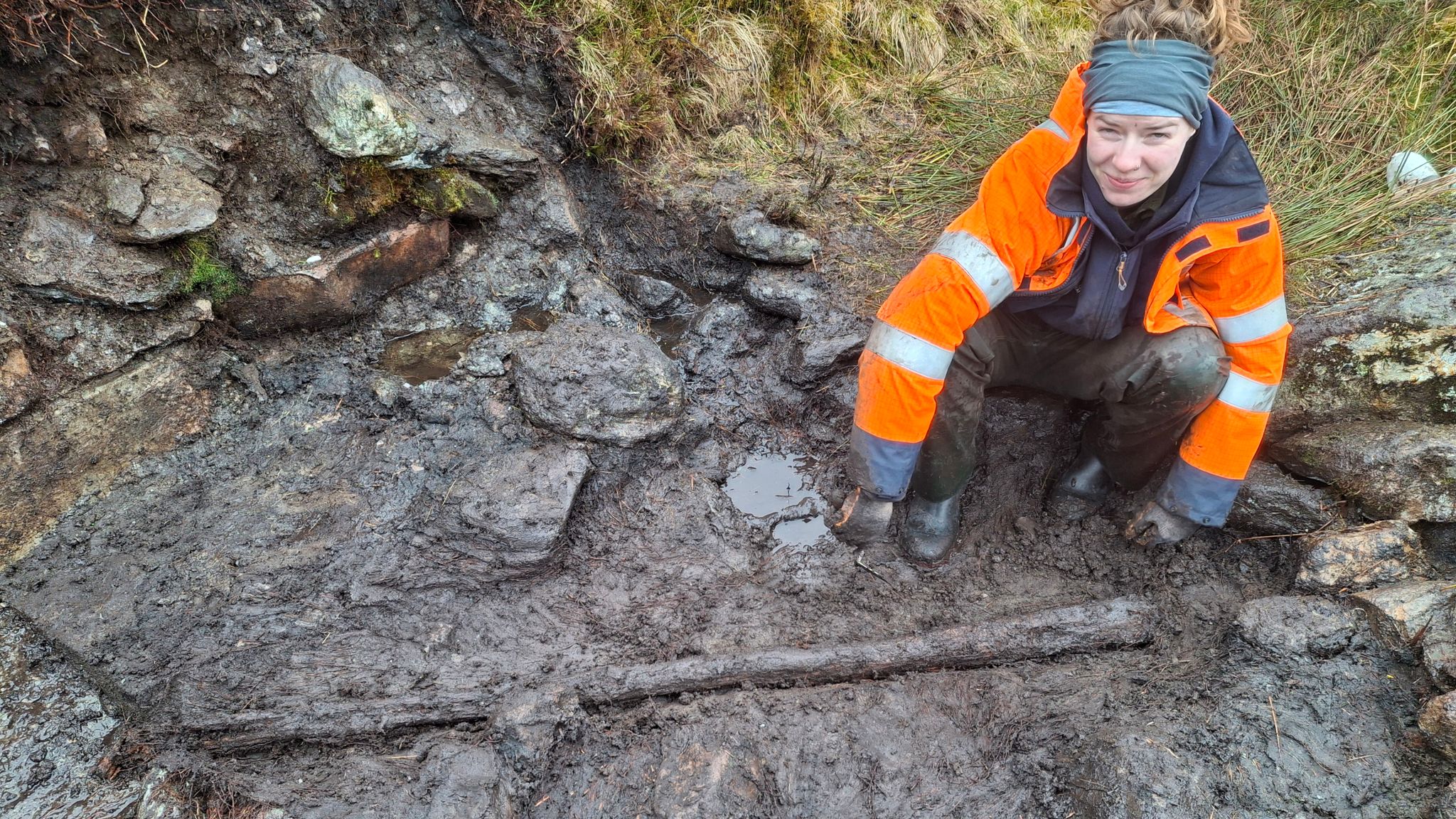
During the recent excavation, archaeologists and volunteers uncovered a substantial stone-capped drain running beneath the bothy’s floor, along with a timber roof support post buried beneath collapsed walls. These structural details highlight the bothy’s sturdy construction, likely designed to support secretive and sustained distilling activity in this isolated terrain.
The Battle Between Distillers and Excise Officers
Derek Alexander, head of archaeology at NTS, emphasized the significance of the discovery in telling a vivid story of covert whisky smuggling. “In the early 19th century, illicit whisky distilling in these hills was a strategic game of cat and mouse between excise officers and distillers,” Alexander explained. “Finding the remains of stills in such upland areas requires thinking like an excise officer. The distillers carefully selected this location to remain hidden.”
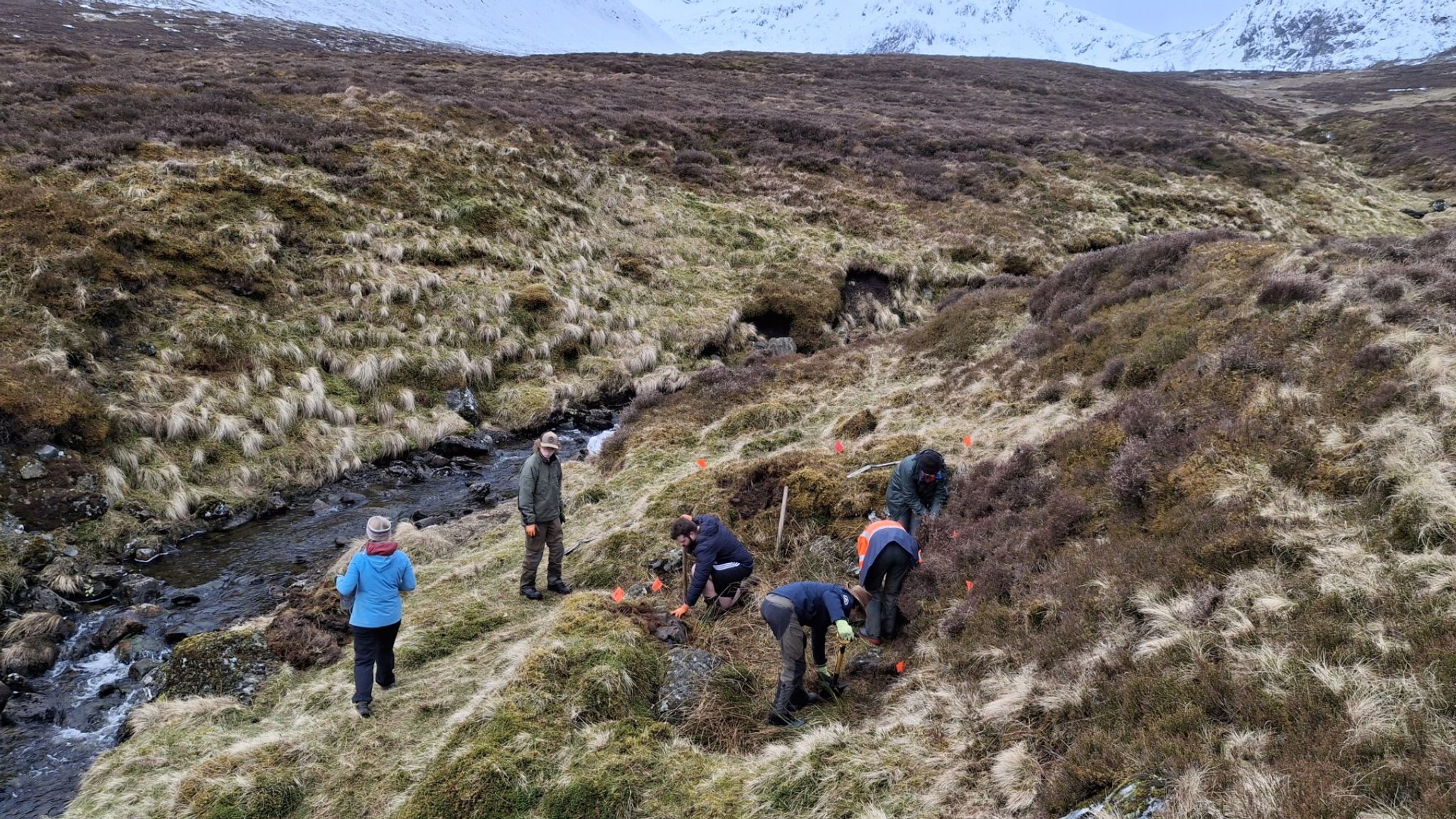
The bothy rests discreetly along an arm of the Lawers Burn, nestled within a burn gulley where a slight bend in the stream naturally shields the site from view both upstream and downstream. This natural concealment, combined with the robust construction of the bothy, suggests the distillers were highly knowledgeable and deliberate in their choice.
Alexander further noted that the copper piece discovered likely connected the lyne arm and the head of the still. “Had the excise officers found this still, they would have seized and destroyed it,” he said. “Its dismantling in haste and the hurried removal of components by the distillers indicates how risky the operation was. The forgotten copper piece was probably left behind in the scramble.”
Such tangible traces of illicit whisky production are exceptionally rare since distillers traveled light, leaving minimal physical evidence of their activities. This find offers a precious glimpse into a once-common practice viewed by many locals not merely as illegal but as an act of community defiance against government taxation and control.
Why This Discovery Matters
The uncovering of this illicit whisky still deepens our understanding of Scottish social and economic history during a turbulent era. The late 18th and early 19th centuries were marked by widespread resistance to excise laws, especially in rural and upland communities where whisky distilling was part of cultural identity and local economy.
Secret distilleries like the one at Ben Lawers played a pivotal role in sustaining these communities, enabling them to produce whisky despite legal restrictions. These operations were not merely criminal enterprises but symbols of resilience and ingenuity, adapting to stringent government oversight by exploiting Scotland’s rugged landscape.
The site at Ben Lawers is unique among the five known illicit whisky bothies within the NNR for yielding a piece of copper still, providing archaeologists with rare physical proof of distilling equipment. This complements historical records and oral traditions, anchoring them in concrete archaeological evidence.
Supported by The Glenlivet as part of the ongoing Pioneering Spirit project, the excavation represents a broader effort to uncover and preserve Scotland’s whisky heritage and the lesser-known stories of smuggling and resistance that shaped it.
Looking Ahead
This discovery invites renewed interest in the covert whisky culture that thrived in Scotland’s highlands centuries ago. It challenges us to consider how law, tradition, and community intersected in the face of government regulation. The story told by this bothy and its hidden still enriches Scotland’s historic narrative and highlights the enduring spirit of those who risked all for their craft.
As archaeological work continues across the Ben Lawers NNR, further finds may emerge, illuminating the complex relationship between Scotland’s landscape, its people, and the iconic whisky that remains a global symbol of Scottish heritage.