The picturesque province of Tierra del Fuego, a key tourist destination in Argentina, faces growing scrutiny over a recent hantavirus outbreak. Despite mounting fears, local authorities firmly reject claims that the region’s landfill site is responsible for the virus’s spread. As investigations stall, the province grapples with the challenge of balancing public health concerns and its vital tourism industry.
Unfolding Investigation into the Hantavirus Source
Health officials initially pointed to a landfill on the outskirts of Ushuaia, the provincial capital, as a potential hotspot for hantavirus transmission. The plan involved collaborating with local biologists to trap rodents at the site and conduct viral testing. However, two days after this announcement, experts had yet to arrive onsite. A recent visit by the BBC revealed no active investigations in progress—only dozens of birds circling vast piles of waste, suggesting the situation remains unresolved.
The lack of immediate action raises concerns about the thoroughness of the response. Hantavirus is primarily transmitted through contact with infected rodent droppings, urine, or saliva, making the presence and behavior of local rodent populations critical to understanding and controlling outbreaks.

Changing Ecosystems: Rodent Behavior and Disease Dynamics
Eduardo López, an epidemiologist and head of the Department of Medicine and Infectious Diseases at Buenos Aires’ Ricardo Gutiérrez Children’s Hospital, underscores the complexity of the situation. He emphasizes that the outbreak demands comprehensive study, particularly because ecosystems are rapidly evolving under environmental pressures.
“The long-tailed pygmy rice rat, historically native to the Patagonian Andes and north-western Argentina, has expanded its range to include the Buenos Aires province,” López explains. This shift means rodents that carry hantavirus are appearing in new areas, increasing the risk of transmission in places previously unaffected.
Such ecological changes complicate containment efforts. Understanding which rodent species are involved and their interactions with human habitats is essential to formulating effective public health strategies.

Economic Stakes: Tourism and Industry at Risk
Tierra del Fuego stands as Argentina’s youngest and least populated province, with its economy heavily reliant on hydrocarbon exploration, fishing, and tourism. The latter is especially sensitive to health scares, given its dependence on international visitors.
Juan Manuel Pavlov, representing the Fuegian Tourism Institute, highlights the crucial role of the cruise industry. “More than 95% of boats bound for Antarctica depart from our port,” he states. “With over 500 port calls annually, cruise tourism is fundamental to our provincial economy.”
Despite a recent spike in inquiries from international cruise operators about hantavirus risks, no official cancellations have been reported. However, the cruise season ended in mid-April, so the true economic impact may not become evident for several months.
What This Means for the Future
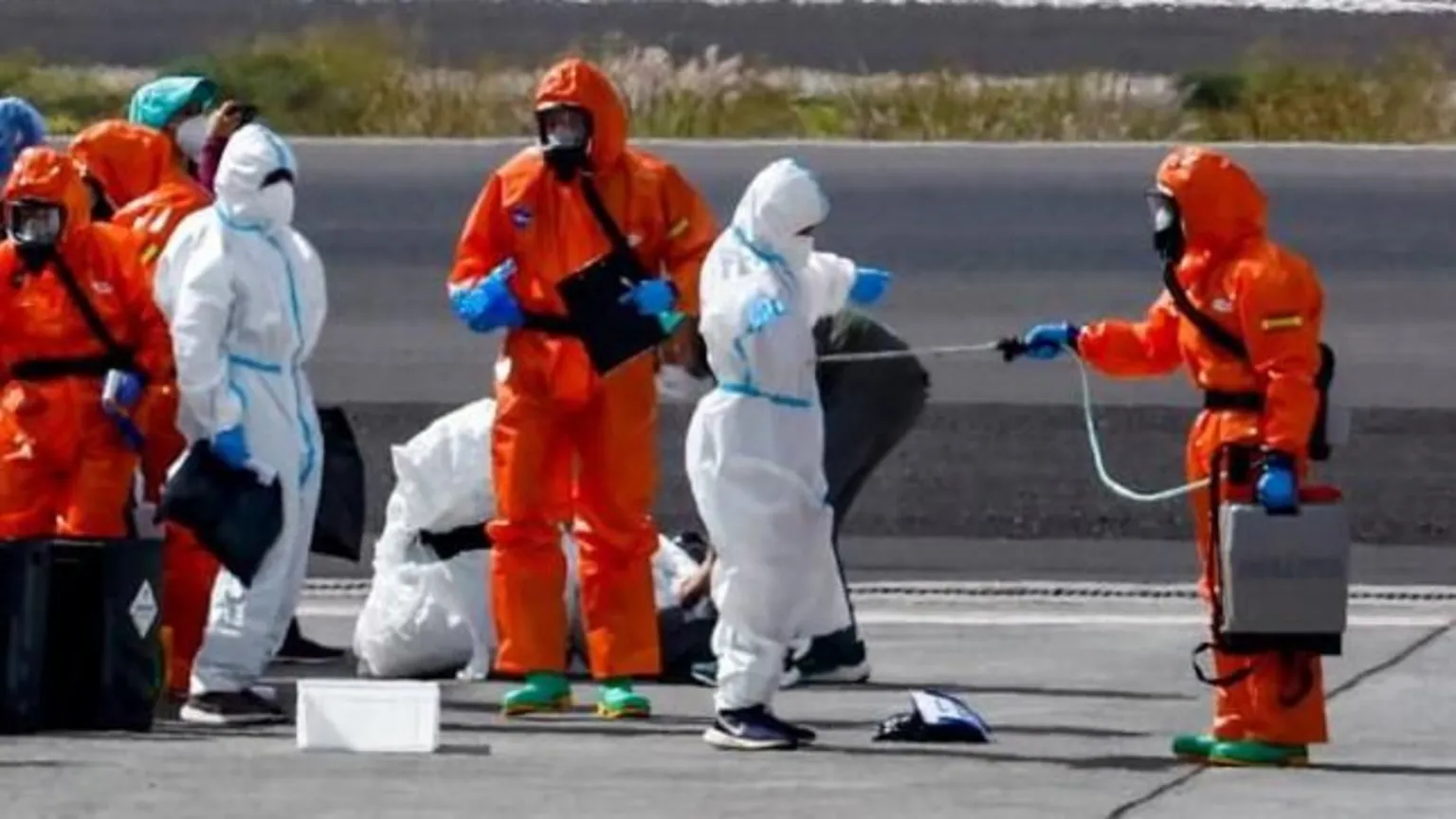
The ongoing hantavirus outbreak in Tierra del Fuego serves as a stark reminder of how environmental changes and human activity intersect to influence public health. The province’s hesitation or delay in deploying expert teams to investigate rodent populations and viral presence could hinder timely containment measures.
For tourists and residents alike, understanding the risks and prevention strategies remains paramount. Public health authorities must accelerate research efforts to clarify the outbreak’s origin and prevent further spread.
Economically, the province faces a delicate balancing act: safeguarding public health without crippling the tourism sector that sustains much of its livelihood. Transparent communication and proactive disease management will be critical to maintaining confidence among visitors and cruise operators.
As the situation develops, the global community watches closely. The lessons learned here could inform hantavirus control strategies across regions experiencing similar ecological shifts.
Full details of ongoing investigations and their outcomes have not yet been released.