

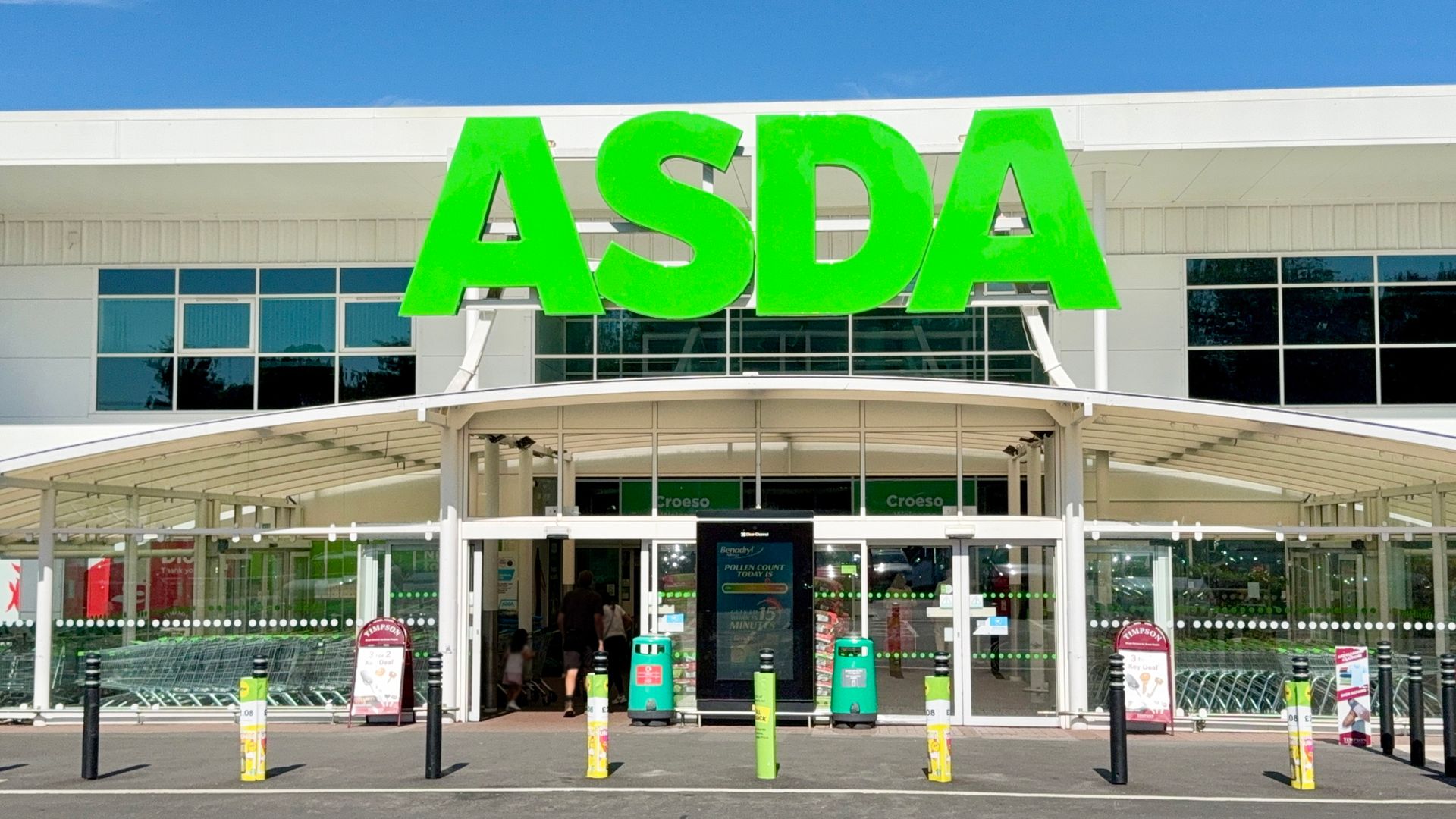
Asda plunged further into financial losses in the past year, revealing the intense pressure it faces from discount rivals like Aldi. The supermarket giant’s latest accounts expose the significant impact of aggressive price cuts aimed at reclaiming shoppers, alongside substantial one-off expenses that have deepened its red ink.
Sharp Price Cuts and Rising Costs Drive Losses
Asda’s financial results underscore the high stakes in the UK supermarket battle, where pricing strategies have become crucial to attracting and retaining customers. In an effort to combat the growing popularity of discount chains such as Aldi and Lidl, Asda slashed prices across a wide range of products. While these reductions enticed shoppers back into stores, they also squeezed profit margins.
Alongside these strategic price cuts, Asda absorbed significant one-time costs during the year. These expenses, which can include restructuring charges, investments in technology, or property-related outlays, further weighed on the retailer’s bottom line. Together, these factors pushed Asda’s losses close to £1 billion, a stark increase compared to previous years.
The Battle with Aldi: A Defining Challenge
Aldi’s rise as a formidable player in the UK grocery market has disrupted the traditional supermarket hierarchy. Known for its low prices and streamlined product range, Aldi has attracted a growing share of British shoppers, particularly during times of economic uncertainty and inflationary pressures.
For Asda, this competition has necessitated a dramatic shift in its business model. The supermarket has invested heavily in price competitiveness to prevent customer attrition. However, this defensive strategy has come at a significant financial cost, as reflected in the mounting losses. Analysts suggest that Asda’s focus on deep discounts highlights the broader challenges traditional grocers face in maintaining profitability while responding to changing consumer behaviors.
What This Means for Asda and the UK Grocery Sector
Asda’s financial struggles illustrate the evolving dynamics of the UK supermarket sector. The retailer’s steep losses emphasize the difficulty of balancing competitive pricing with sustainable profit margins in a market increasingly dominated by discount grocers.
Looking ahead, Asda will need to refine its approach to regain profitability while continuing to appeal to cost-conscious consumers. This could involve enhancing operational efficiencies, innovating product offerings, or leveraging its scale to negotiate better supplier deals.
For shoppers, the ongoing price war between supermarkets like Asda and Aldi may translate into continued benefits through lower prices and promotions. However, the long-term impact on the diversity and quality of offerings remains uncertain as retailers adjust to survive in this fiercely competitive environment.
Ultimately, Asda’s near £1 billion loss is a stark reminder of the challenges incumbent supermarkets face in adapting to shifting market forces and consumer expectations. How the company navigates this period of upheaval will be closely watched by investors, customers, and competitors alike.