

The long-awaited Terminally Ill Adults (End of Life) Bill, designed to legalize assisted dying for terminally ill adults in England and Wales, has officially stalled after running out of parliamentary time. Despite passionate debates and prior approval in the House of Commons, the bill hit a dead end in the House of Lords, sparking claims of a “denial of democracy” from its supporters.
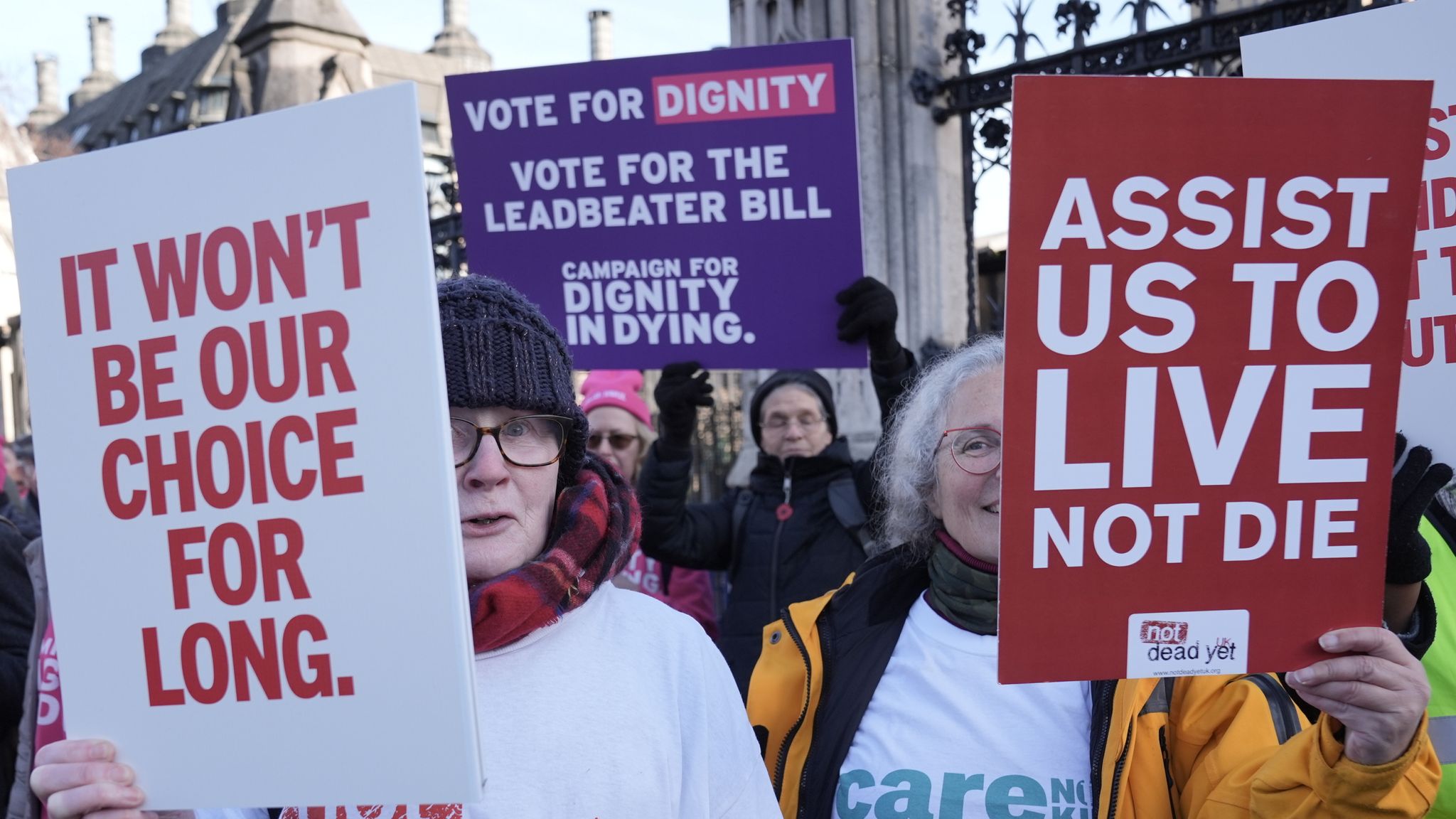
What Happened to the Assisted Dying Bill?
The bill aimed to allow adults over 18, diagnosed with a terminal illness and with a prognosis of six months or less to live, to request medical assistance to end their lives. Backed by Labour MP Kim Leadbeater, who introduced the bill after winning a private members’ ballot, it initially gained momentum in the Commons.
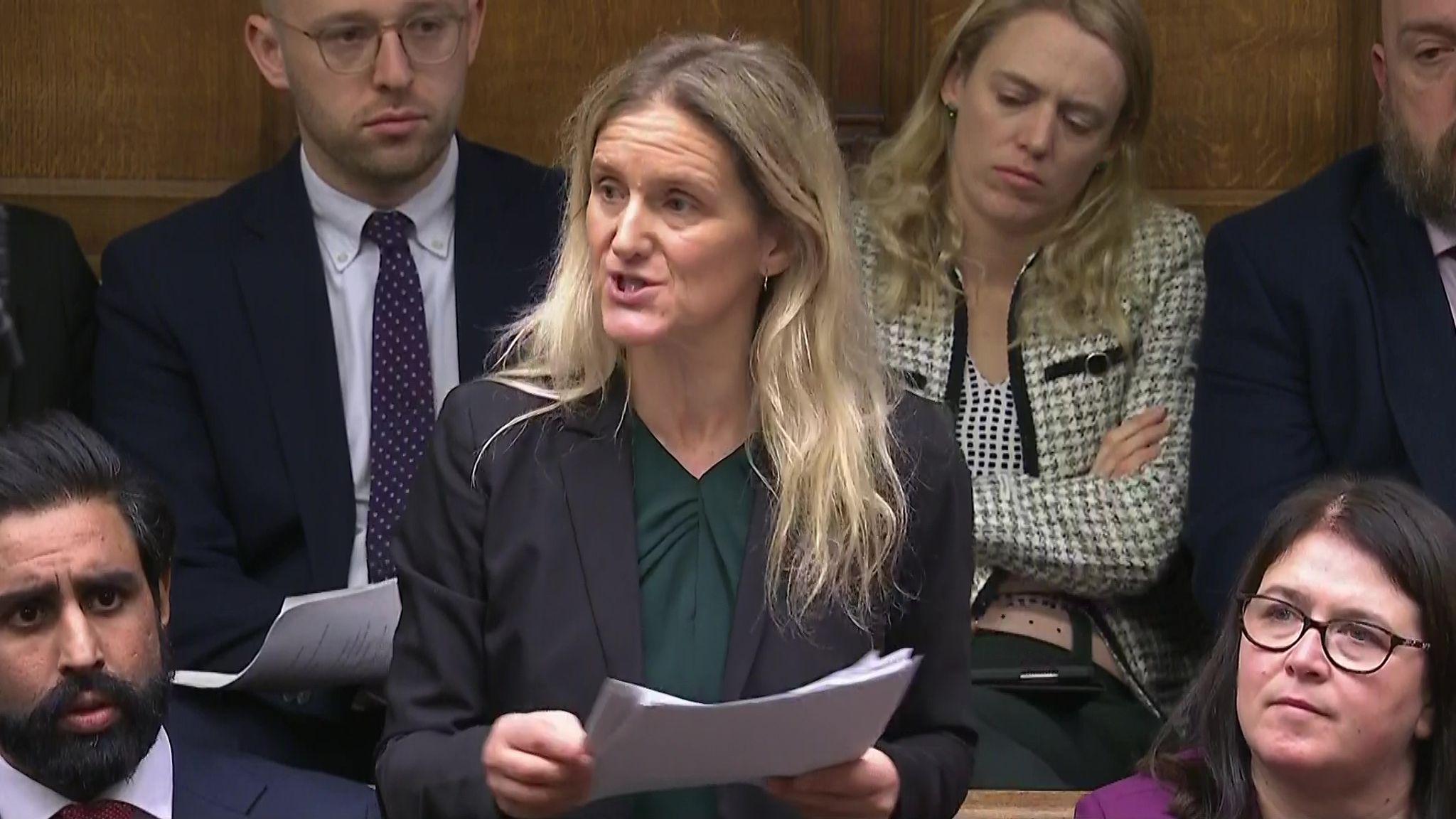
In November 2024, MPs voted in favour by a 55-vote margin. However, by the final Commons vote in June 2025, that support had dwindled to just 23 votes. Critics expressed concerns that the bill did not adequately address safeguards, especially after a significant amendment replaced the requirement for a High Court judge’s approval with a panel consisting of a senior lawyer, psychiatrist, and social worker. Opponents argued this panel was less rigorous, while Leadbeater insisted the combined expertise would enhance safety and address delays in the courts.
Following Commons approval, the bill moved to the House of Lords in September 2025, where debate has dragged on for months. Unlike the Commons, the Lords operates with fewer time constraints, enabling peers to scrutinize legislation at their own pace. This procedural difference became a key factor in the bill’s demise, as supporters accused a small group of peers of deliberately filibustering to run down the clock.
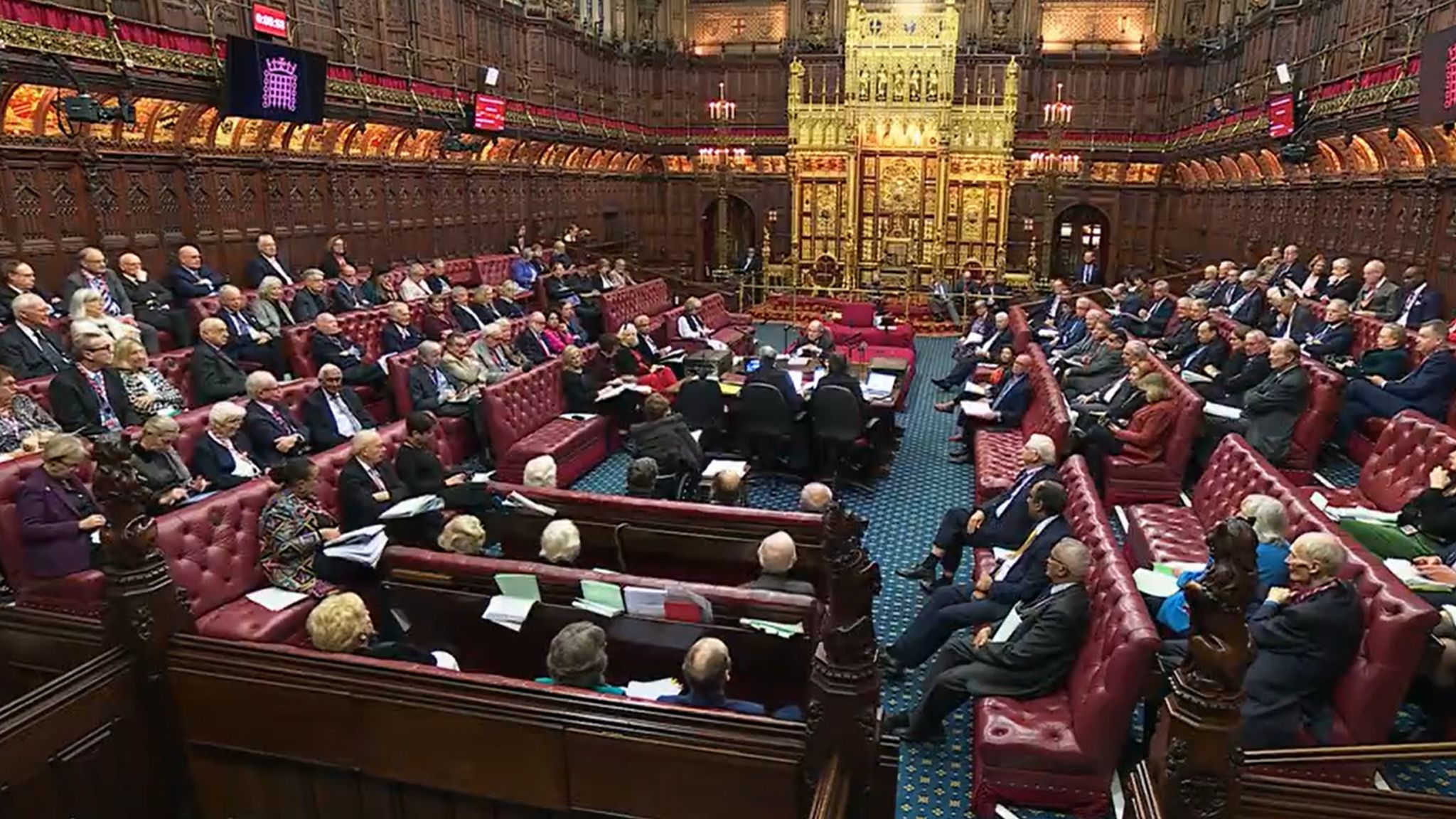
Opponents countered that their detailed scrutiny aimed to improve what they saw as flawed legislation, not to obstruct it. The bill was stuck on the third of five stages when the parliamentary session ended, making it impossible to complete the process. Because private members’ bills cannot be carried over between sessions, the legislation effectively died without final approval.
Why This Matters: The Stakes Behind the Debate
The failure of the assisted dying bill reveals deep divisions both within Parliament and across society. For supporters, the bill represents an urgent need to offer compassionate choice and dignity to terminally ill patients facing unbearable suffering. Kim Leadbeater and campaigners argue that the current legal framework leaves many vulnerable people without control over their own end-of-life decisions.
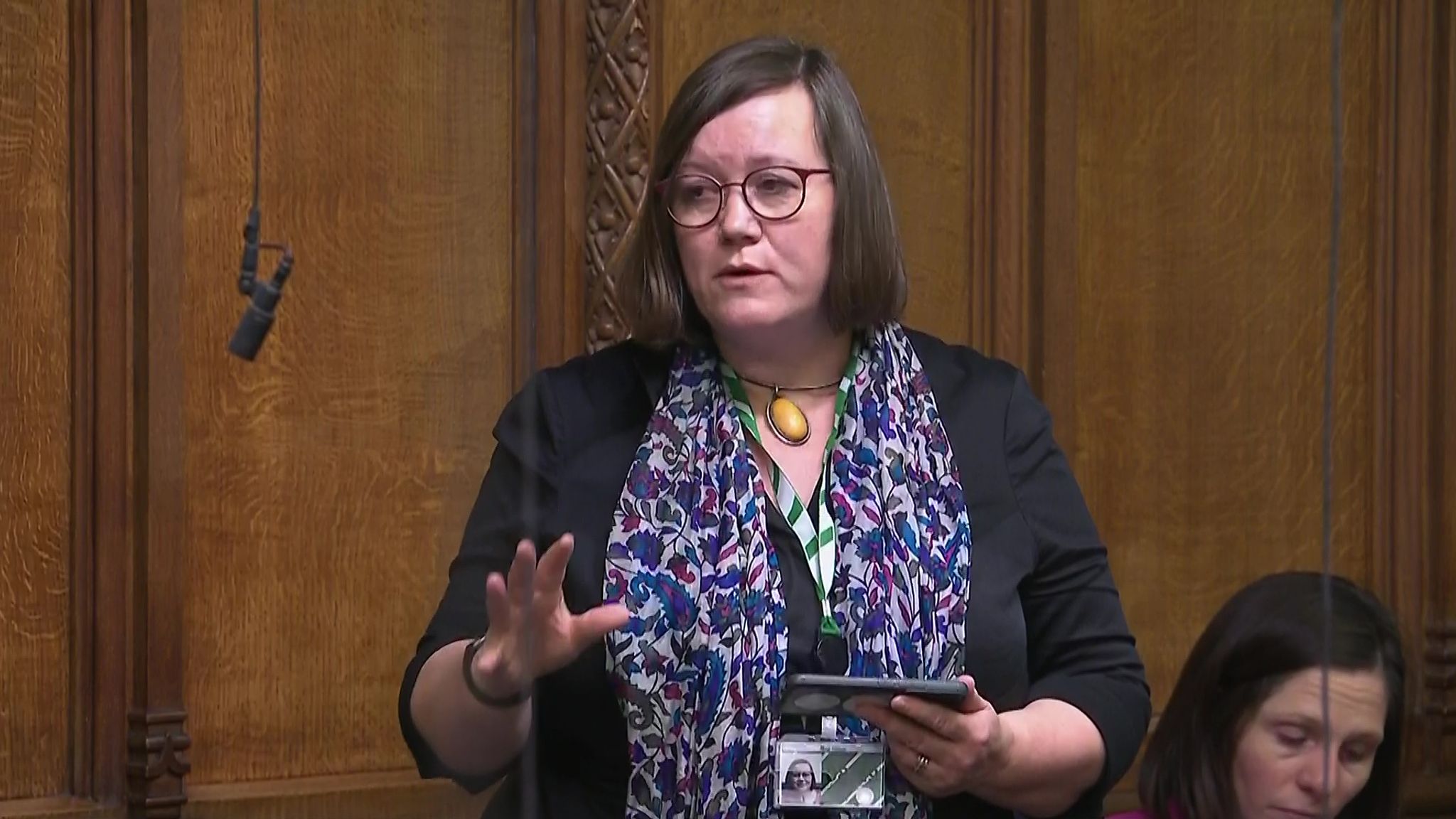
Opponents, meanwhile, raise concerns about protecting vulnerable groups, including disabled people, from potential abuse or pressure. Labour MP Meg Hillier, a vocal critic, highlighted the bill’s lack of sufficient safeguards and pointed to opposition from all professional medical colleges as evidence of the law’s risks. Critics also claim the bill distracts from other pressing public priorities, citing polling data showing low public concern for assisted dying compared to other issues.
The debate also underscores tensions between the elected House of Commons and the unelected House of Lords. Nearly 200 peers sent a letter calling the Lords’ handling of the bill “a failure to fulfil its constitutional function,” urging the Commons to decide the bill’s fate. Conversely, more than 60 peers opposed to the bill blamed its failure on supporters’ unwillingness to compromise on the bill’s substance.
What’s Next? The Future of Assisted Dying Legislation
Despite this setback, campaigners remain determined to push the bill forward. With the next private members’ bill ballot scheduled for 21 May, supporters believe they have the backing of around 200 MPs ready to reintroduce the legislation. Their strategy involves fast-tracking the bill through the Commons by leveraging prior scrutiny and possibly packing committee stages with supporters.
Should the bill pass the Commons again, it will return to the Lords — where the same procedural hurdles await. However, campaigners are prepared to invoke the rarely used Parliament Act, which allows legislation approved twice by the Commons but rejected by the Lords in consecutive sessions to become law regardless. This measure has been employed only twice in the 21st century and never for a private members’ bill, but officials confirm it remains a legal option.
Meanwhile, opponents vow to continue their resistance. They warn MPs that passing the bill without amendments could pose risks to vulnerable people and that public priorities lie elsewhere. They also criticize supporters’ tactics as heavy-handed, accusing them of attempting to force the bill through Parliament.
Looking Ahead
The assisted dying bill’s defeat in the House of Lords marks a significant but not final chapter in the contentious debate over end-of-life choice in England and Wales. The clash highlights the complex balance between parliamentary procedure, democratic accountability, ethical considerations, and the urgent needs of terminally ill patients.
As campaigners prepare to reignite the legislative push, the public and Parliament will continue grappling with profound questions about autonomy, protection, and compassion at life’s end. This issue is far from settled, and the coming months will be crucial in determining whether assisted dying can finally become law.