

The quest to legalise assisted dying in England and Wales suffered a significant setback as the Terminally Ill Adults (End of Life) Bill ran out of parliamentary time before becoming law. Despite passing two votes in the House of Commons, the bill failed to secure a vote in the House of Lords, leaving supporters determined to press on with their campaign.
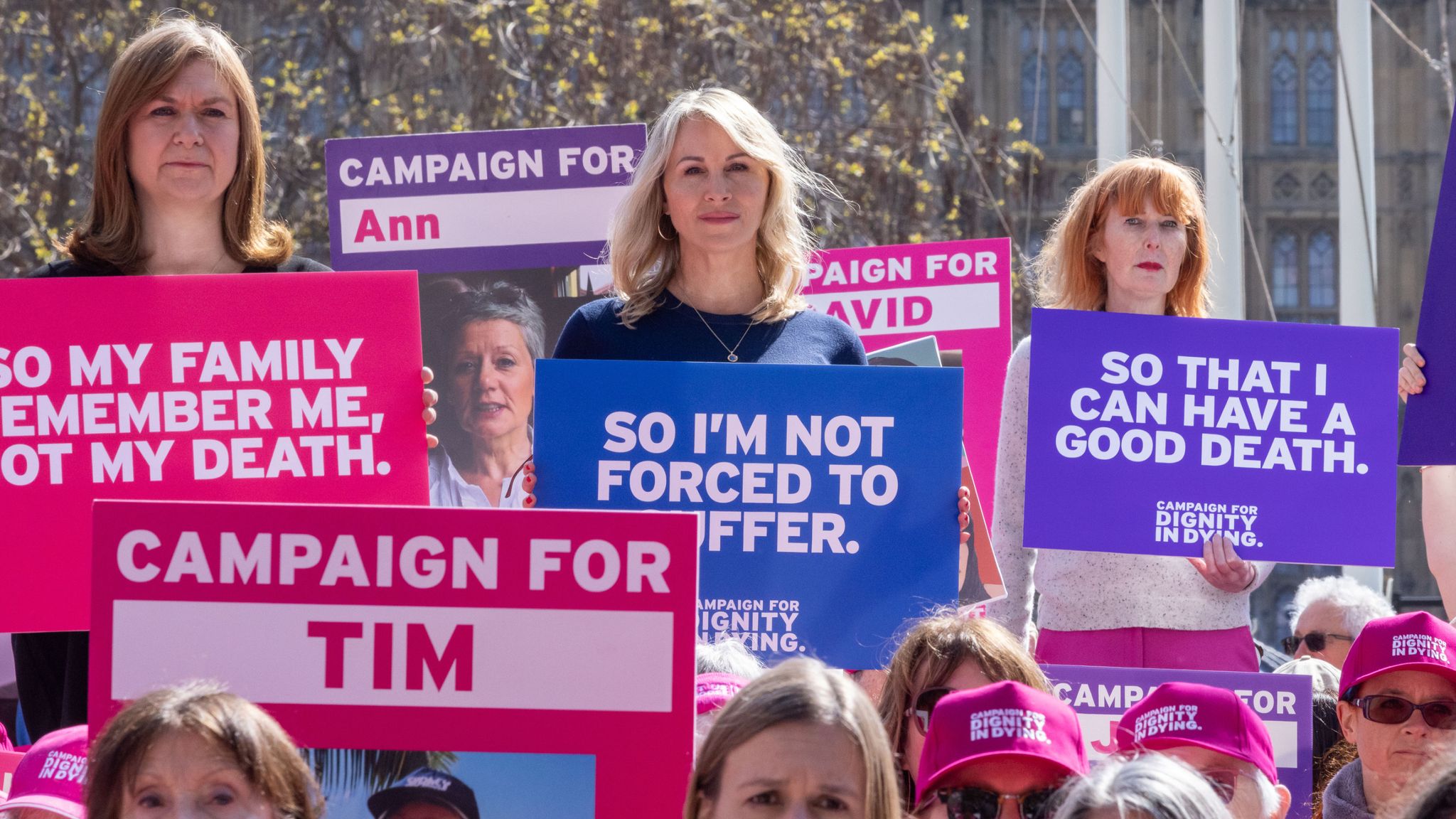
The Journey and Stumbling Blocks in Parliament
The assisted dying bill, which has been under parliamentary scrutiny for over 18 months, sought to grant terminally ill adults with less than six months to live the legal right to request an assisted death. The request would have required approval from two independent doctors and an expert panel to ensure strict safeguards.
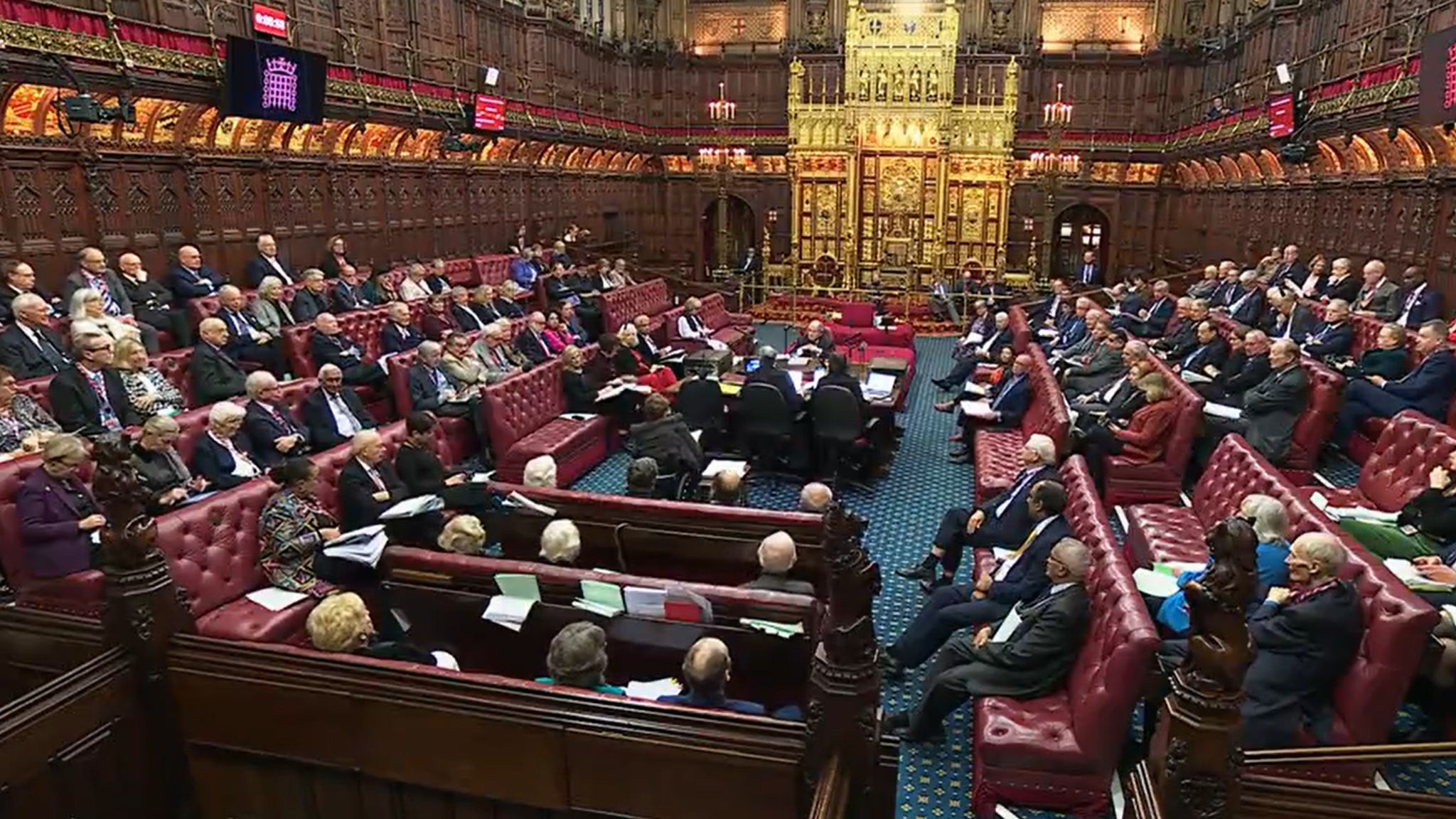
While the bill secured passage in the House of Commons twice, the second time with a slimmer majority, it encountered fierce resistance in the House of Lords. Peers proposed more than 1,200 amendments, with over 800 introduced or sponsored by just seven members, significantly delaying progress.
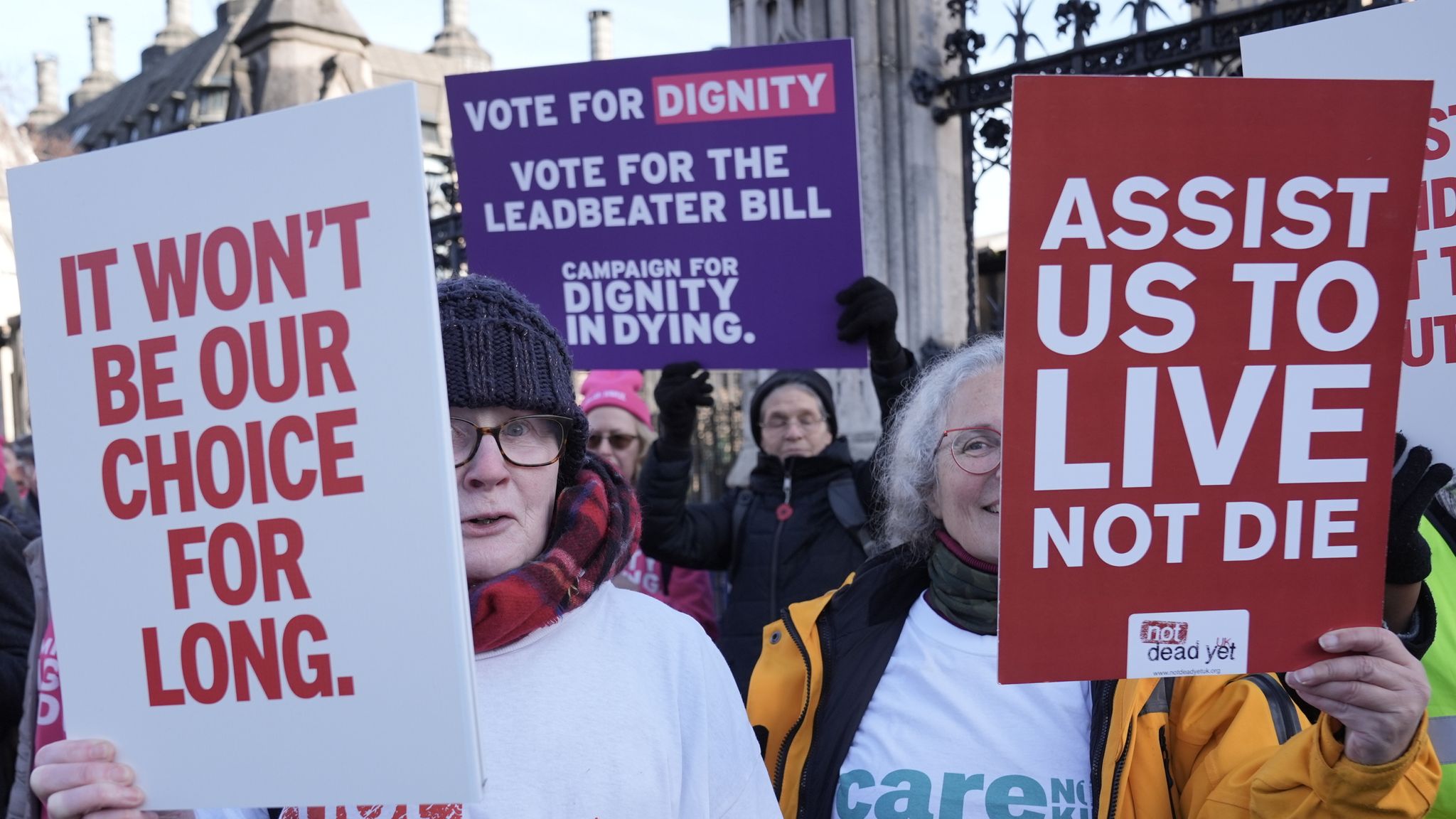
Lord Charlie Falconer, who championed the bill in the Lords, expressed profound disappointment. He criticised a “small minority” of peers for obstructing debate and cooperation, saying the bill’s failure was not due to insufficient time but rather procedural blockades. He lamented the bill’s collapse, stressing it was “so important to so many” and had not failed on its merits.
Divisions Among Peers and Public Reaction
The opposition in the Lords centred on concerns about the bill’s safeguards and potential risks. Baroness Tanni Grey-Thompson, a Paralympian and vocal opponent, argued the legislation left “too many gaps” that could lead to misunderstandings about its scope and protections. She emphasised her belief that the law could be misapplied or misunderstood by vulnerable individuals and their families.
Concerns from opponents extended to fears of coercion and insufficient protection for disabled people. Baroness Therese Coffey, former Deputy Prime Minister and Conservative peer, warned that the bill risked prioritising “choice for some” over the safety of others at risk of undue pressure.
Meanwhile, those terminally ill and their families who had supported the bill have voiced bewilderment and frustration at the Lords’ handling of the legislation. Lord Falconer highlighted the courage and patience shown by terminally ill people and their relatives throughout the process, who found the parliamentary delays deeply perplexing.
What Comes Next: Renewed Campaigns and Strategic Options
Despite the setback, supporters remain resolute. The bill’s Commons sponsor, Kim Leadbeater, pledged to enter her name again in the private members’ bill ballot following the upcoming King’s Speech, aiming to reintroduce the legislation in the next parliamentary session.
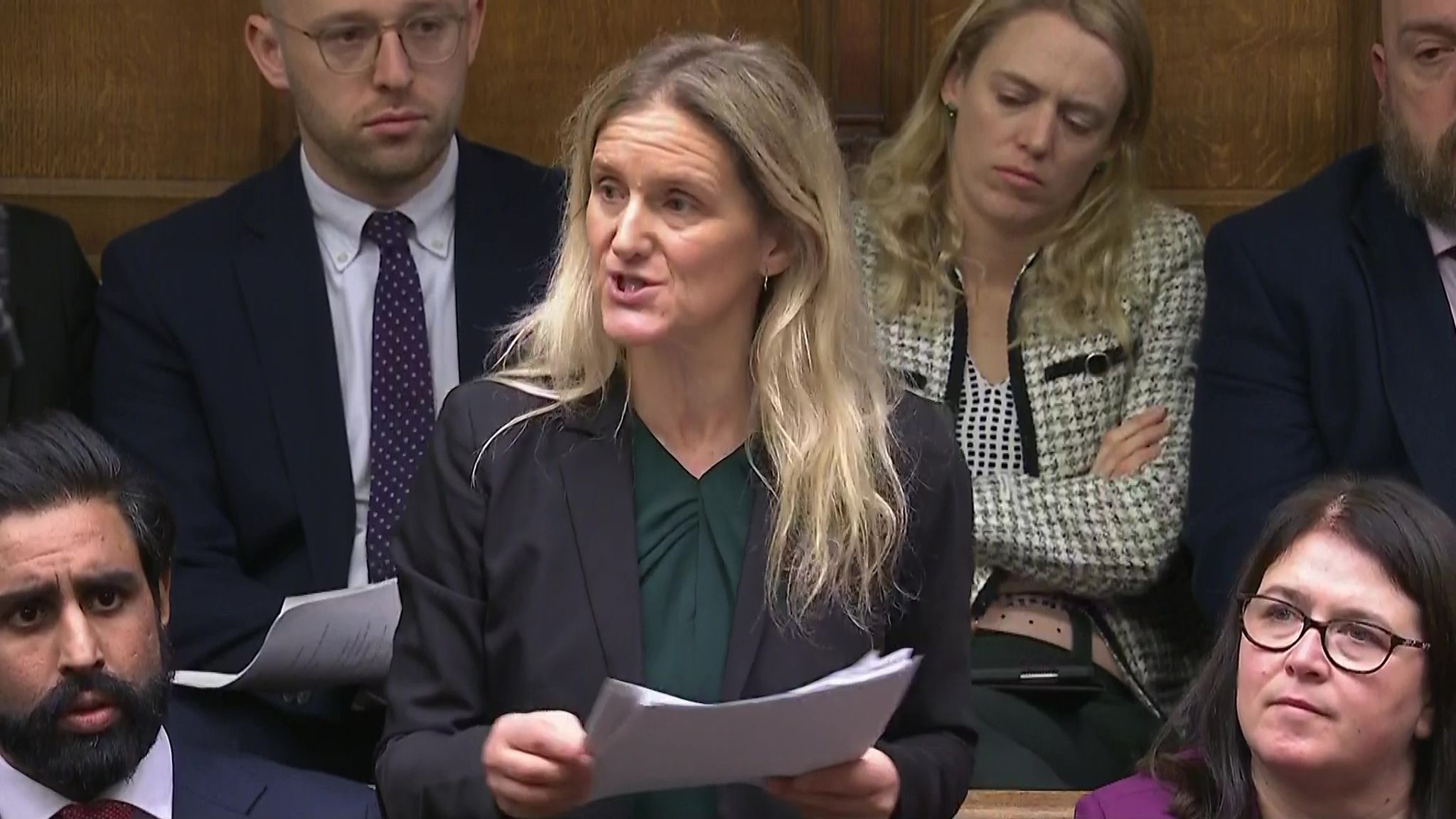
Campaigners have also discussed using the rarely employed Parliament Act to bypass the Lords if the bill passes the Commons in two successive sessions but is blocked again. This act allows the Commons to enact legislation without the Lords’ consent under specific circumstances, providing a potential route to enactment.
Dame Esther Rantzen, broadcaster and founder of Childline, condemned the Lords’ actions as a “sabotage” of democracy, underscoring the passionate commitment of advocates to see the bill become law.
At the same time, charities specialising in palliative and end-of-life care have urged Health Secretary Wes Streeting to capitalise on the growing national conversation about death and dying. They warn against losing momentum and call for urgent reforms to improve care for those approaching the end of life.
Why This Debate Matters
The assisted dying debate touches on profound ethical, medical, and social issues affecting thousands of terminally ill people and their families each year. Proponents argue that legalising assisted dying offers compassionate choice and dignity in the final stages of life, while opponents stress the risks of abuse, coercion, and the sanctity of life.
This legislative impasse reflects broader societal divisions about autonomy, medical ethics, and safeguarding vulnerable populations. The bill’s stalling in the Lords highlights the complexities of balancing individual rights with collective responsibilities in lawmaking.
As the fight continues, the outcome will profoundly impact end-of-life care in England and Wales, shaping how society supports its most vulnerable members in their last days.
Looking Forward
While the failure to pass the assisted dying bill represents a temporary defeat, the campaign’s persistence signals that this issue will remain at the forefront of parliamentary and public debate. The next session will be critical, with renewed efforts expected to bring this contentious and deeply personal matter back into the legislative spotlight.
For terminally ill individuals seeking autonomy and relief, and for families facing heartbreaking decisions, the stakes could not be higher. The coming months will reveal whether the bill can overcome procedural hurdles and entrenched opposition to become law, or if the debate will extend even further into the future.