

On Friday, 20 June 2025, the House of Commons witnessed what many hoped would be a landmark moment in the history of medical ethics and personal autonomy. The assisted dying bill, which aimed to legalise assisted dying in England and Wales, passed its Commons vote with 314 MPs in favour and 291 against. The passionate debate that preceded the vote echoed some of the most significant conscience decisions in recent history, such as the legalisation of abortion, homosexuality, and same-sex marriage.
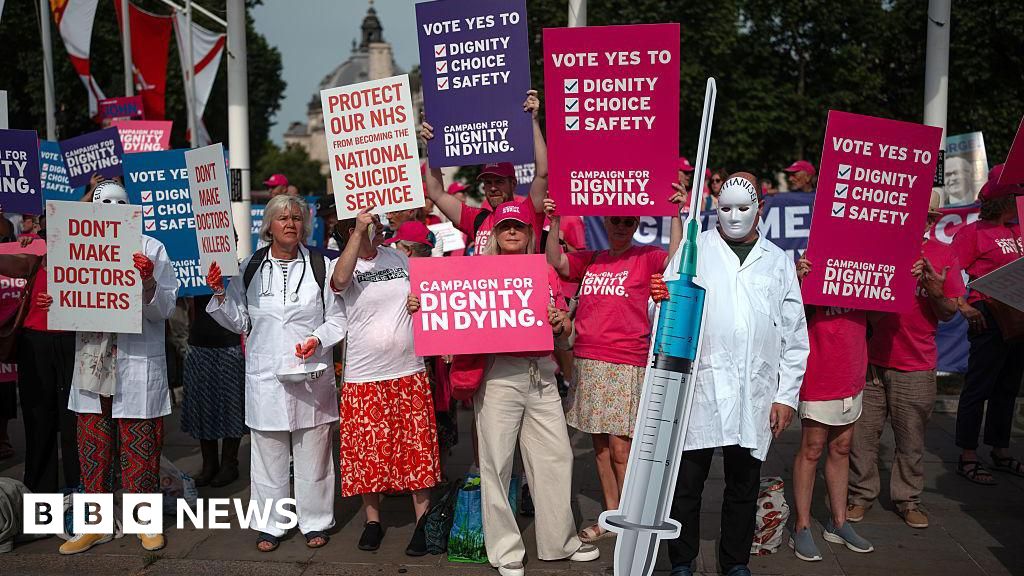
The House of Commons Vote: A Historic Step
This vote represented a rare moment of progress on an issue that touches deeply on human dignity, ethics, and individual freedom. Supporters of the bill argued that it would grant terminally ill patients the right to choose a dignified death, sparing them unbearable suffering. Campaigners who had long fought for this change celebrated outside the Palace of Westminster, moved by the prospect of finally having legal recognition for assisted dying.
Opponents, however, expressed grave concerns about the potential consequences of legalising assisted dying. They highlighted moral objections and fears about the safeguards protecting vulnerable patients. Despite their disappointment, these critics made it clear that the battle over assisted dying was far from settled.
Stalled in the House of Lords: The Bill’s Demise
Following the Commons approval, the bill moved to the House of Lords, where it faced intense scrutiny and debate. Over the course of several months, Lords examined various aspects of the legislation, including ethical implications, medical safeguards, and the potential impact on vulnerable groups.
As the weeks passed, it became evident that the bill would not secure the necessary approval before Parliament’s session ended. Unlike the Commons vote, the Lords did not hold a decisive vote to reject or approve the bill. Instead, time simply ran out, and the legislation failed to progress further.
This procedural outcome means the bill’s journey has officially ended—for now. The absence of a final vote in the Lords left many campaigners and politicians frustrated, as the issue remains unresolved and highly contentious.
Why the Assisted Dying Debate Matters
The failure of the assisted dying bill to become law does not diminish the urgency and importance of the debate surrounding end-of-life choices. With an ageing population and advances in medical technology prolonging life, questions about quality of life and personal autonomy have become increasingly relevant.
Supporters argue that legalising assisted dying would provide compassionate options for terminally ill patients facing intolerable suffering. They stress the need for clear, robust safeguards to prevent abuse and protect vulnerable individuals. Opponents caution that legalisation could erode trust in medical professionals and expose at-risk groups to pressure or coercion.
Parliament’s inability to reach a definitive conclusion reflects the profound ethical complexities involved. The issue touches on personal beliefs, religious values, and societal norms, making consensus difficult to achieve.
What Comes Next?
Although the assisted dying bill has failed to become law in this parliamentary session, the conversation is far from over. Many advocates and some lawmakers have pledged to continue pushing for reform in future sessions. Public opinion on assisted dying remains divided but shows growing support for legal change under strict conditions.
Medical professionals, legal experts, and ethicists will likely keep engaging in discussions to find a balanced approach that respects individual rights while safeguarding vulnerable groups. The government may consider new proposals or amendments that address concerns raised during the debates.
For patients and families grappling with terminal illness, the absence of legal assisted dying options means facing difficult choices without formal recognition of their right to control the timing and manner of their death.
Looking Forward
The failure of the assisted dying bill in Parliament marks a significant moment in a long and complex debate about autonomy, ethics, and compassion at the end of life. While the bill’s journey has stalled, the passionate discussions it ignited underscore the need for continued dialogue and careful consideration.
As society evolves, so too will the legal frameworks that govern deeply personal decisions. The future of assisted dying legislation in England and Wales remains uncertain, but the conversation sparked in June 2025 will undoubtedly influence policymaking and public attitudes in the years ahead.