

The legal system faces intense scrutiny as the Attorney General demands a Court of Appeal review of the sentences handed to three teenagers convicted of raping two girls. The original decision to avoid custodial sentences sparked widespread public outrage, igniting fierce debates on justice, sentencing standards, and victims’ rights.
What Happened: The Case and Sentencing
Three teenage boys were found guilty of the brutal rape of two young girls, a crime that profoundly shocked their community. Despite the severity of the offenses, the court initially sentenced the perpetrators without imposing prison terms. Instead, the boys received sentences that fell short of incarceration, a decision that many viewed as disproportionately lenient given the gravity of the crimes.
This sentencing approach triggered a backlash from advocacy groups, legal experts, and the public alike. Critics argued that the punishment failed to reflect the seriousness of the offenses and risked undermining public confidence in the justice system’s ability to protect vulnerable victims and deter sexual violence.
Attorney General’s Intervention: Calling for a Sentence Review
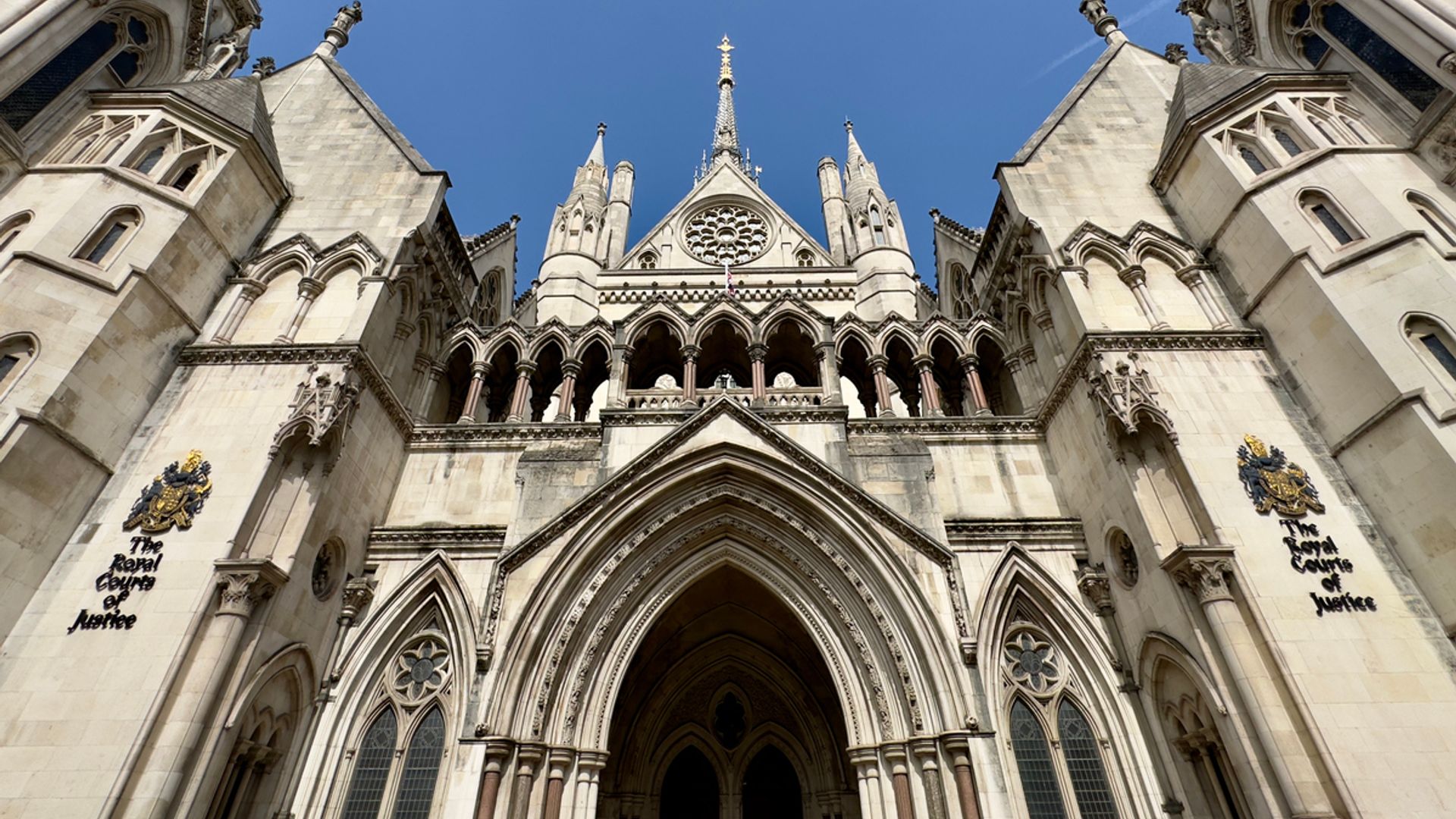
Responding to the uproar, the Attorney General has taken decisive action by requesting the Court of Appeal to reassess the sentences. This intervention underscores the government’s commitment to ensuring that justice is served and that sentencing aligns with societal expectations and legal standards.
The Attorney General’s request highlights concerns about sentencing consistency, especially in cases involving sexual violence against minors. By seeking a review, the office aims to address potential judicial errors or oversights and to reinforce the principle that serious crimes warrant appropriate custodial sentences.
Legal analysts note that the Court of Appeal has the authority to increase the sentences if it finds the initial rulings to be unduly lenient. This process provides an essential check within the judicial system, ensuring that sentencing decisions withstand scrutiny and maintain public trust.
Why This Matters: Broader Implications for Justice and Victims
The controversy surrounding this case shines a spotlight on broader challenges within the criminal justice system, particularly how it handles sexual offenses involving young victims and perpetrators. The outcry reflects growing demands for harsher penalties in sexual violence cases and a victim-centered approach that prioritizes both accountability and survivor support.
Advocates emphasize that appropriate sentencing serves multiple functions: it delivers justice for victims, deters potential offenders, and signals society’s condemnation of such crimes. When sentences appear inadequate, victims and the public may feel that the system fails to protect their rights and safety.
Moreover, this case raises important questions about rehabilitation versus punishment for juvenile offenders. Balancing these factors remains a complex challenge for courts, particularly when crimes involve significant harm. The Attorney General’s call for review indicates a push toward ensuring that this balance does not compromise justice or public confidence.
What Comes Next: The Impact of the Court of Appeal’s Decision
The Court of Appeal’s forthcoming decision will be closely watched as a potential benchmark for how sexual violence cases among teenagers are sentenced nationwide. An increase in the sentences could set a precedent, influencing future judicial approaches and legislative discussions around youth crime and sexual offenses.
Conversely, if the court upholds the original sentences, it may fuel further debate about sentencing guidelines, judicial discretion, and the need for reforms in how the justice system addresses these sensitive cases.
For the victims and their families, the review represents a critical opportunity for their voices to be heard and for the legal system to reaffirm its responsibility to deliver fair and just outcomes. It also serves as a reminder that society demands rigorous accountability for crimes that cause lasting trauma.
Looking Ahead: Strengthening Justice for Victims and Communities
The Attorney General’s decisive move to seek a sentence review sends a clear message: the justice system must respond adequately to sexual violence, especially when vulnerable individuals are involved. This case highlights the ongoing struggle to balance rehabilitation, punishment, and victim protection within juvenile justice.
As the Court of Appeal prepares to re-examine these controversial sentences, the outcome will have significant implications for victims, offenders, and society at large. It underscores the necessity for a transparent, consistent, and victim-centered judicial process that upholds both the rule of law and public confidence.
Ultimately, this case exemplifies the critical importance of vigilant oversight in the justice system to ensure that sentences not only punish wrongdoing but also affirm society’s collective commitment to safety and justice.