

Contrary to popular belief that the festive season around Christmas poses the greatest risk for drink-driving accidents, new data reveals a surprising trend: August emerges as the deadliest month for drink-drive crashes. This revelation challenges common assumptions and calls for a reevaluation of safety campaigns and law enforcement focus throughout the year.
Unpacking the Drink-Drive Crash Data
For years, public perception has linked holiday celebrations—particularly those in December—with a spike in alcohol-related road incidents. This association stems from increased social gatherings, parties, and festive events where alcohol consumption is prevalent. However, recent research analyzing traffic accident records and police reports paints a different picture. August consistently records the highest number of drink-driving crashes nationwide.
The data attributes this peak to several interconnected factors. Warmer summer weather, longer daylight hours, and the school holiday season encourage more people to travel, socialize outdoors, and attend events where alcohol is served. Additionally, holidaymakers on summer breaks often find themselves on unfamiliar roads, potentially increasing risk when combined with impaired driving.
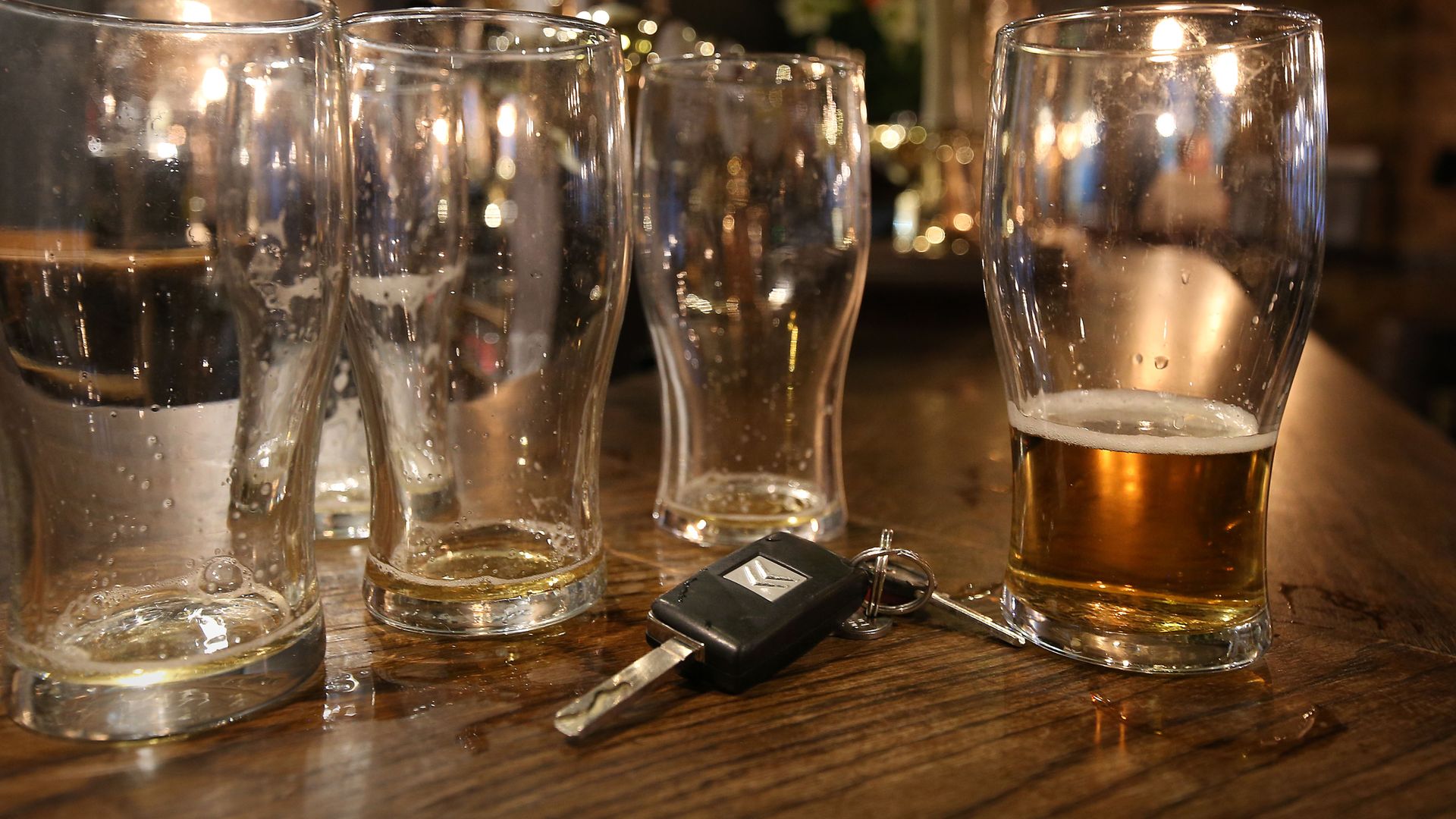
Law enforcement agencies report that August not only shows a rise in drink-driving incidents but also an increase in the severity of crashes. These collisions tend to result in more fatalities and serious injuries compared to other months. The combination of higher vehicle speeds on open roads and impaired decision-making from alcohol exacerbates the danger.
Why August Surpasses December for Drink-Drive Risks
Understanding why August outpaces December involves examining behavioral patterns and environmental circumstances unique to the summer month. Unlike December, which features numerous organized celebrations and heightened police patrols, August’s risks often stem from informal gatherings and less regulated drinking occasions.
During the summer, social events such as barbecues, festivals, and beach parties tend to be more spontaneous and scattered. Drivers may underestimate the effects of alcohol after consuming drinks over extended periods or believe they are safe to drive short distances home. This complacency contributes to impaired driving decisions.
Moreover, August sees a surge in young drivers on the road, many of whom are more prone to risk-taking behaviors. Their inexperience, combined with alcohol consumption, significantly raises the likelihood of crashes. Research also indicates that some drivers misjudge their level of intoxication, leading to more frequent instances of driving under the influence.
Implications for Road Safety and Prevention Measures
The revelation that August is the most dangerous month for drink-drive crashes has critical implications for public safety strategies. Historically, campaigns and law enforcement resources have concentrated heavily around the winter holidays, when drink-driving is expected to spike. However, these new findings suggest a need to shift focus and intensify interventions during the summer months.
Governments and road safety organizations must ramp up awareness campaigns before and during August, emphasizing the dangers of drink-driving even outside traditional holiday seasons. Enhanced roadside testing, increased police visibility, and targeted educational programs aimed at young drivers could help reduce the incidence of alcohol-impaired driving.
Additionally, communities can play a vital role by promoting safe transportation alternatives during summer events, such as designated driver programs, ride-sharing services, and improved public transit options. Encouraging responsible drinking behavior year-round remains essential.
What This Means for Drivers and the Public
The discovery that August tops the list for drink-drive crashes underscores the importance of vigilance and responsibility on the road throughout the entire year. Drivers must recognize that impaired driving risks are not confined to traditional holiday periods but persist—and even peak—during the summer.
By understanding the seasonal dynamics of drink-driving accidents, individuals can make better-informed decisions, and policymakers can craft more effective prevention strategies. Ultimately, reducing drink-drive crashes demands a comprehensive, year-round approach that addresses both behavior and enforcement.
As summer continues to attract increased travel and social activity, staying alert to the dangers of drink-driving in August could save countless lives and prevent devastating accidents on the roads.