

After more than five decades as a staple of British football broadcasting, the BBC has made the momentous decision to axe its long-running programme Football Focus. The iconic Saturday lunchtime show, which debuted in 1974 and has chronicled generations of football stories, will air its final episode at the close of this season.
Why Football Focus Is Ending After 52 Years
The decision to end Football Focus comes amid significant shifts in how football fans consume content. The BBC explained that evolving audience behaviours mean fans are increasingly turning to alternative platforms and formats to follow the game. This change has compelled the broadcaster to rethink how it allocates its resources, especially in light of financial pressures.
Last week, the BBC announced plans to save £500 million over the next two years, a move that places additional strain on its sports programming budget. However, Alex Kay-Jelski, head of BBC Sport, emphasized that the decision to cancel Football Focus was made before this broader cost-cutting announcement. He described the change as a necessary response to the “continued shift in how audiences engage with football” and stressed the BBC’s commitment to evolving its content delivery to reach fans wherever they are.
Football Focus has long played a pivotal role in the BBC’s football coverage, serving as a key platform for match previews, interviews, and in-depth features. Yet, with the rise of digital media and on-demand highlights, traditional magazine-style shows face mounting challenges to retain viewership.
Legacy and Reactions from Presenters and Fans
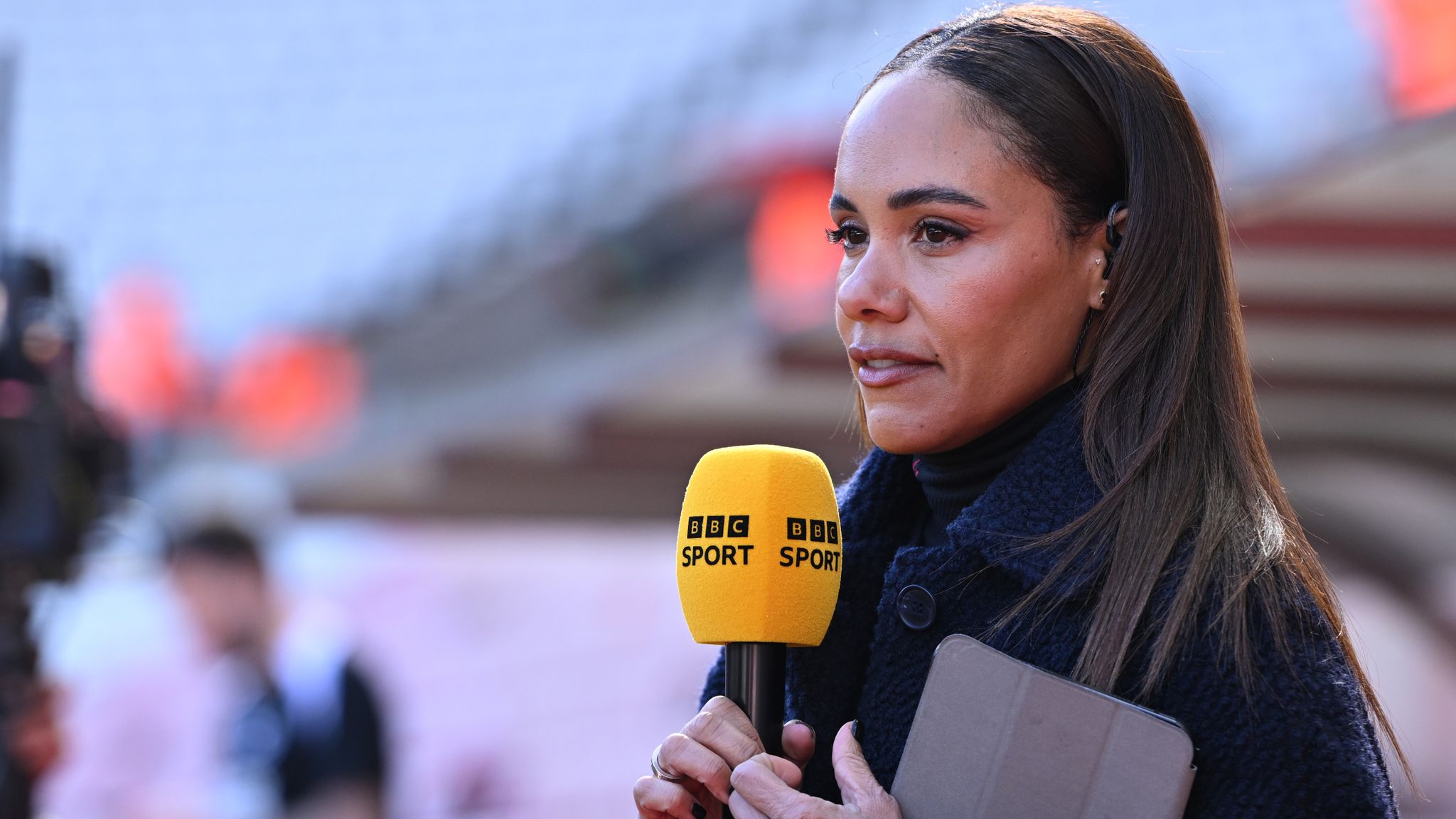
Alex Scott, who has presented Football Focus for the last five years, reflected on her experience with the programme. The former England and Arsenal defender conveyed pride in being part of such an iconic show and noted that she had planned to leave the programme this year regardless of its cancellation.
Scott will remain a central figure in BBC Sport’s coverage, including the upcoming Men’s World Cup and the Women’s World Cup in 2027, as well as continuing her leading role in the Women’s Super League and the BBC Sport Personality of the Year.
On social media, Scott expressed gratitude to viewers and colleagues alike, writing: “It’s a show that I’ll forever be honoured to be associated with and one that has made me grow as a presenter in a way I’ll always look back on with pride.”
Meanwhile, former Football Focus host Dan Walker voiced disappointment at the end of the show. Walker presented the programme for 12 years and remains fond of its legacy. On X, he shared personal memories of watching the show with his father and described the cancellation as “really sad.”
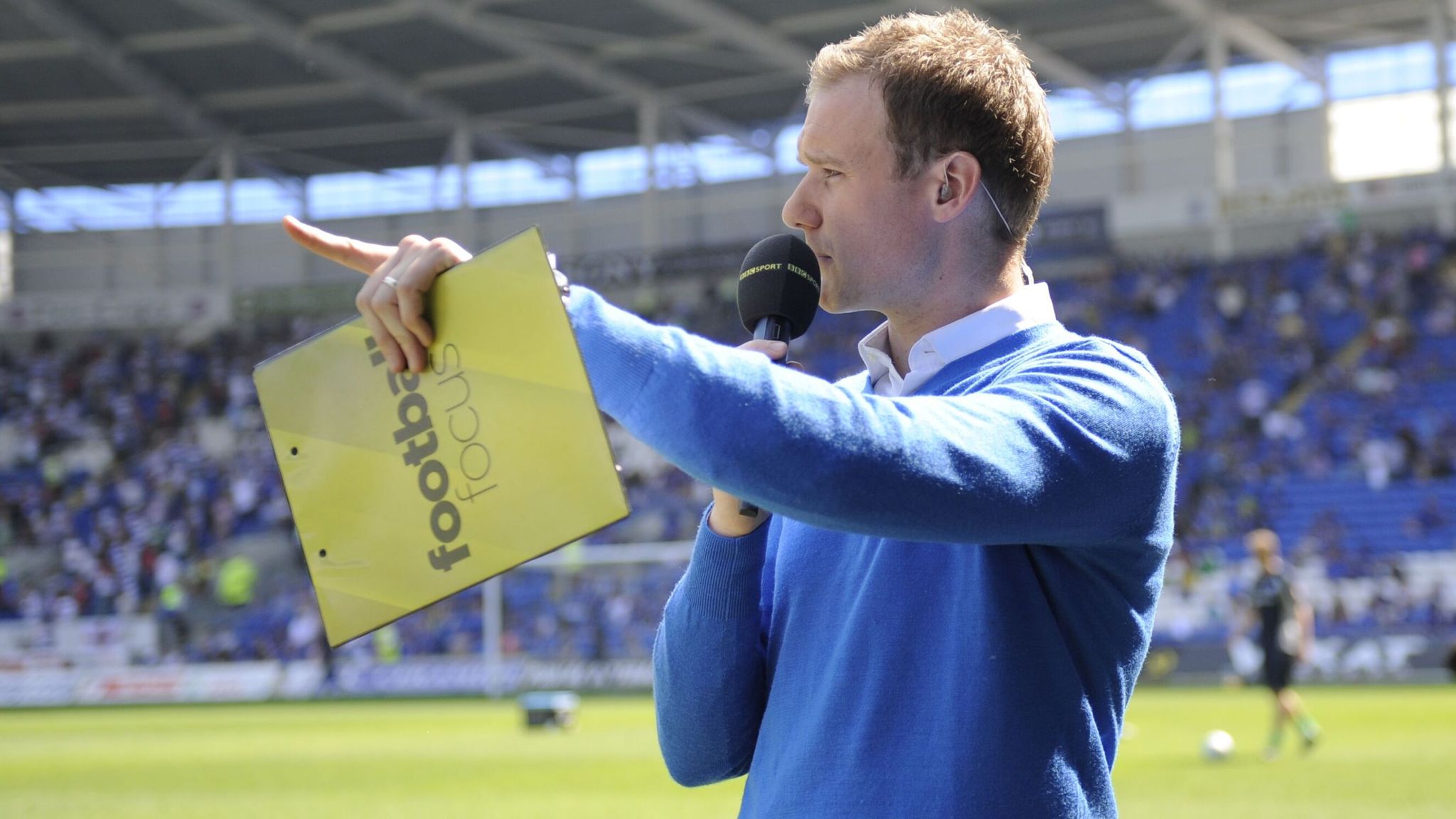
Walker highlighted the challenges facing traditional football broadcasting in a rapidly evolving media landscape. He lamented that there no longer appears to be space for a programme that has held deep meaning for countless fans over the years.
What Will Replace Football Focus?
Starting next season, the BBC will slot The Football Interview into the Saturday 12:45 pm schedule. This programme has recently featured exclusive conversations with prominent figures such as Bukayo Saka, Emma Hayes, Bernardo Silva, Hugo Ekitike, and Michael Carrick.
The Football Interview aims to provide an in-depth, personality-driven perspective on football’s biggest stories, potentially aligning better with contemporary consumption habits that favor focused, engaging content over broader magazine formats.
Why This Change Matters to Football Fans and Broadcasters
The end of Football Focus symbolizes a broader transformation in sports media. As fans increasingly seek digital, bite-sized, and interactive content, traditional television shows must adapt or face obsolescence. The BBC’s decision reflects both financial realities and strategic shifts toward meeting audiences on their preferred platforms.
For long-time viewers, Football Focus has been more than a programme—it has been a cultural institution that shaped football fandom across generations. Its cancellation marks the close of a significant chapter in British sports broadcasting history.
However, the BBC’s commitment to continuing football coverage through new formats and retaining key presenters like Alex Scott signals a determination to remain a leading voice in football media.
As the football landscape continues to evolve, both broadcasters and fans will watch closely to see how new shows like The Football Interview meet the demand for compelling and accessible football storytelling.
In summary, the conclusion of Football Focus after 52 years reflects shifting audience preferences and financial constraints within the BBC. While a beloved era ends, the broadcaster’s strategic pivot toward fresh, interview-based content aims to keep football coverage vibrant and relevant in an increasingly digital world.